

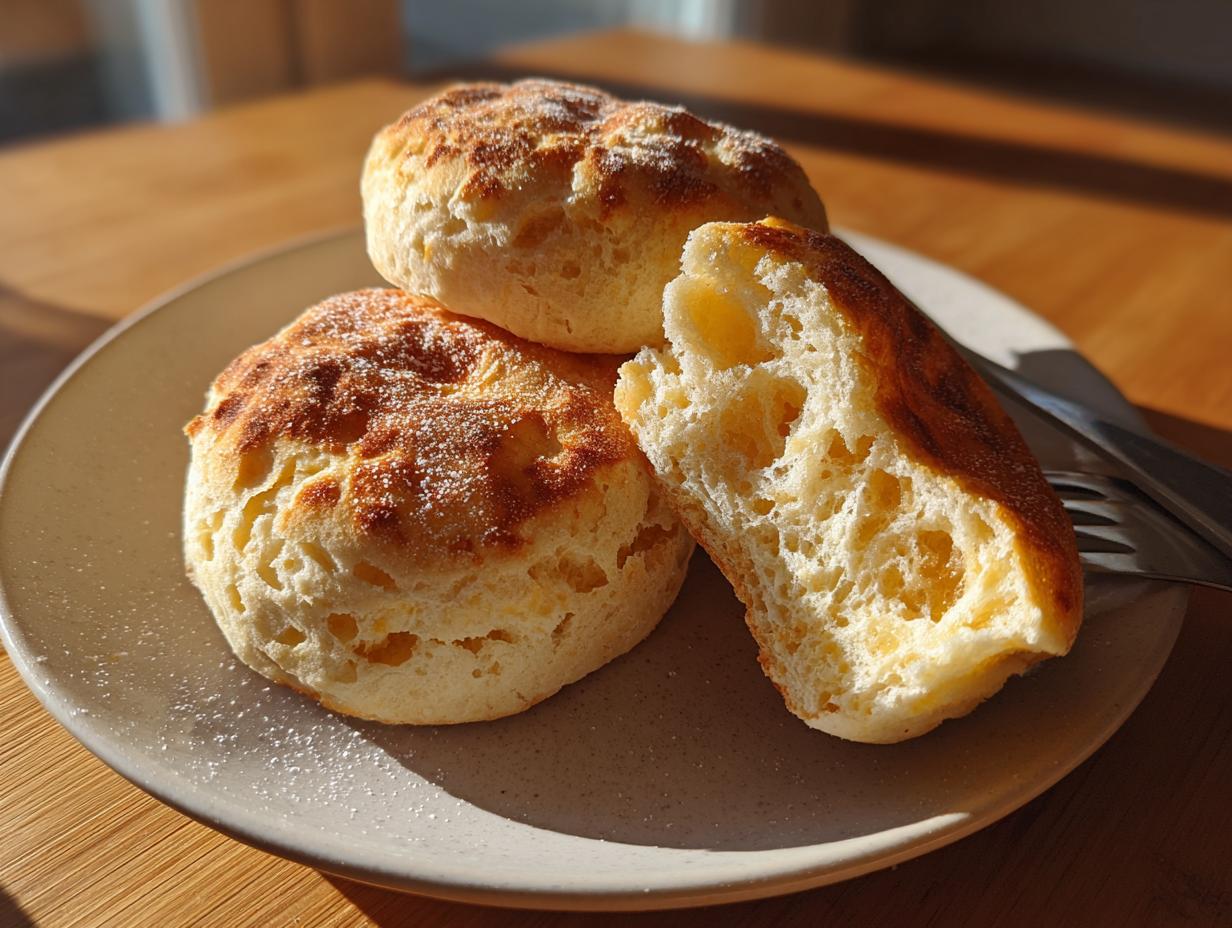
Listen, folks, when you pull apart a homemade breakfast staple and see those beautiful, airy gaps—the legendary “nooks and crannies”—it’s a moment of pure magic, right? That’s what we’re chasing here today. Forget those sad, flat, store-bought discs; we are making the ultimate sourdough English muffins. I learned on the road that simplicity done right beats complexity every single time, and these muffins prove it. They’ve got that deep, satisfying sourdough tang because we let them rest overnight. This easy, overnight method is fantastic for beginners, trust me. If you’re ready to nail that fluffy texture and flavor, jump right in before you even look at the ingredients list. If you want more amazing mornings, check out my favorite easy breakfast recipes too!
- Why This Overnight Sourdough English Muffins Recipe Works
- Gathering Ingredients for Your Sourdough English Muffins
- Step-by-Step Instructions for Homemade English Muffins
- Tips for Mastering Sourdough English Muffins Success
- Storage and Reheating for Your Homemade English Muffins
- Serving Suggestions for Sourdough English Muffins
- Frequently Asked Questions About Sourdough Discard Muffins
- Nutritional Estimate for Sourdough English Muffins
- Share Your Homemade English Muffins Creations
Why This Overnight Sourdough English Muffins Recipe Works
You need slow fermentation for real flavor, and that’s exactly what we’re doing here. By letting this dough chill overnight, we develop that deep, slightly sour taste that store-bought versions just can’t match. This technique keeps things tame for beginners while delivering authentic texture. These Overnight Sourdough Muffins are the perfect low-effort, high-reward Easy Sourdough Breakfast. It’s about respecting the dough’s long game!
The Secret to Perfect Nooks and Crannies
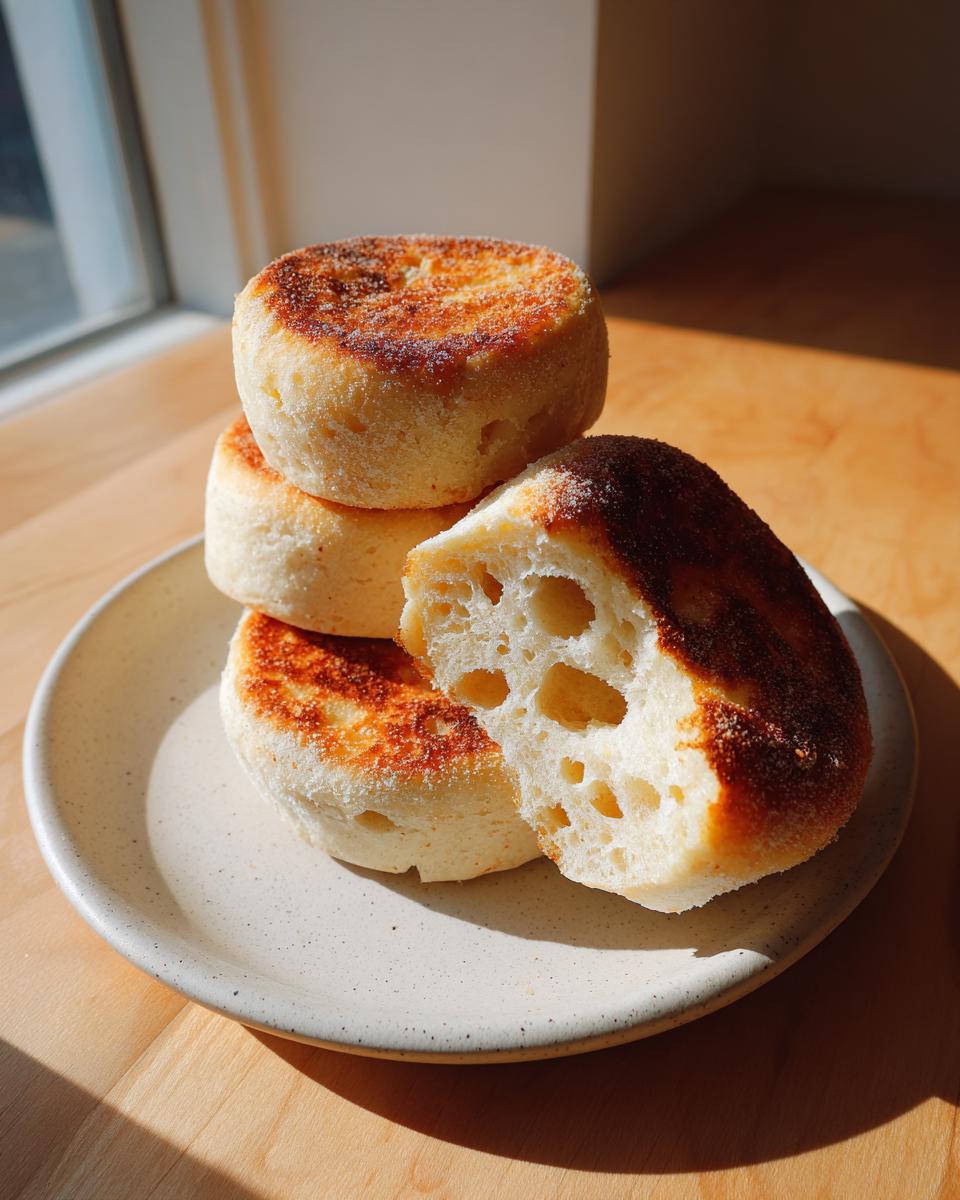
The magic texture comes from two spots: how you handle the dough and how you cook it. We’re keeping kneading light because we want texture, not chewiness. Once they’re cooked golden on the griddle—don’t forget that pale band around the middle—you have to resist the knife! Seriously, only use a fork to gently pierce around the edge to split them open. That keeps all those internal tunnels exactly where they should be.

Using Active Starter for the Best Sourdough English Muffins Flavor
Now, I know some folks love using discard, but for the absolute fluffiest rise and the most reliable lift in your sourdough English muffins, we need an active, bubbly starter here. Feeding it 4 to 8 hours before mixing is non-negotiable; it’s your powerhouse for those big bubbles. This ensures you get that perfect airy crumb that holds up wonderfully to butter and jam. It’s simple science, folks, but it tastes like something special.
Gathering Ingredients for Your Sourdough English Muffins
Okay, let’s stack up what we need before the fun starts. When you’re working with sourdough, ingredient quality really shows, especially since we give this dough time to hang out overnight. You only need a few staples, but precision matters! If you’re still figuring out your starter, I have a quick guide on making a starter from scratch that might help.
Here is the lineup for about 10 beautiful sourdough English muffins:
- 1 cup active sourdough starter (fed 4-8 hours prior—it should be bubbly!)
- 1 cup whole milk, lukewarm (just slightly warm to the touch)
- 2 tablespoons unsalted butter, melted
- 1 tablespoon honey or sugar (your choice for sweetness!)
- 1 teaspoon fine sea salt
- 1 teaspoon baking soda (that’s our little fast-acting lift!)
- 3 1/2 cups all-purpose flour, plus more for dusting
See? Nothing scary! Just good, honest ingredients ready to make magic happen tomorrow morning.
Step-by-Step Instructions for Homemade English Muffins
This is where we take those humble ingredients and turn them into something glorious meant for toast and butter. We are aiming for that soft and chewy interior, so pay attention to the mixing and handling—it really makes the difference in our sourdough English muffins!
Mixing the Dough and Overnight Rest
First, grab your biggest bowl! Mix your bubbly active starter, the lukewarm milk, melted butter, and honey until they are acquainted. Whisk in the salt and baking soda next. Now, gradually start adding that flour, mixing until you just get a shaggy dough. Don’t panic if it looks messy; we want it soft! Cover that bowl up tight—this is critical—and slide it into the fridge for 8 to 12 hours. This long rest is what builds those amazing flavors for your Overnight Sourdough Muffins.
Cutting, Dusting, and Griddle Cooking Your Sourdough English Muffins
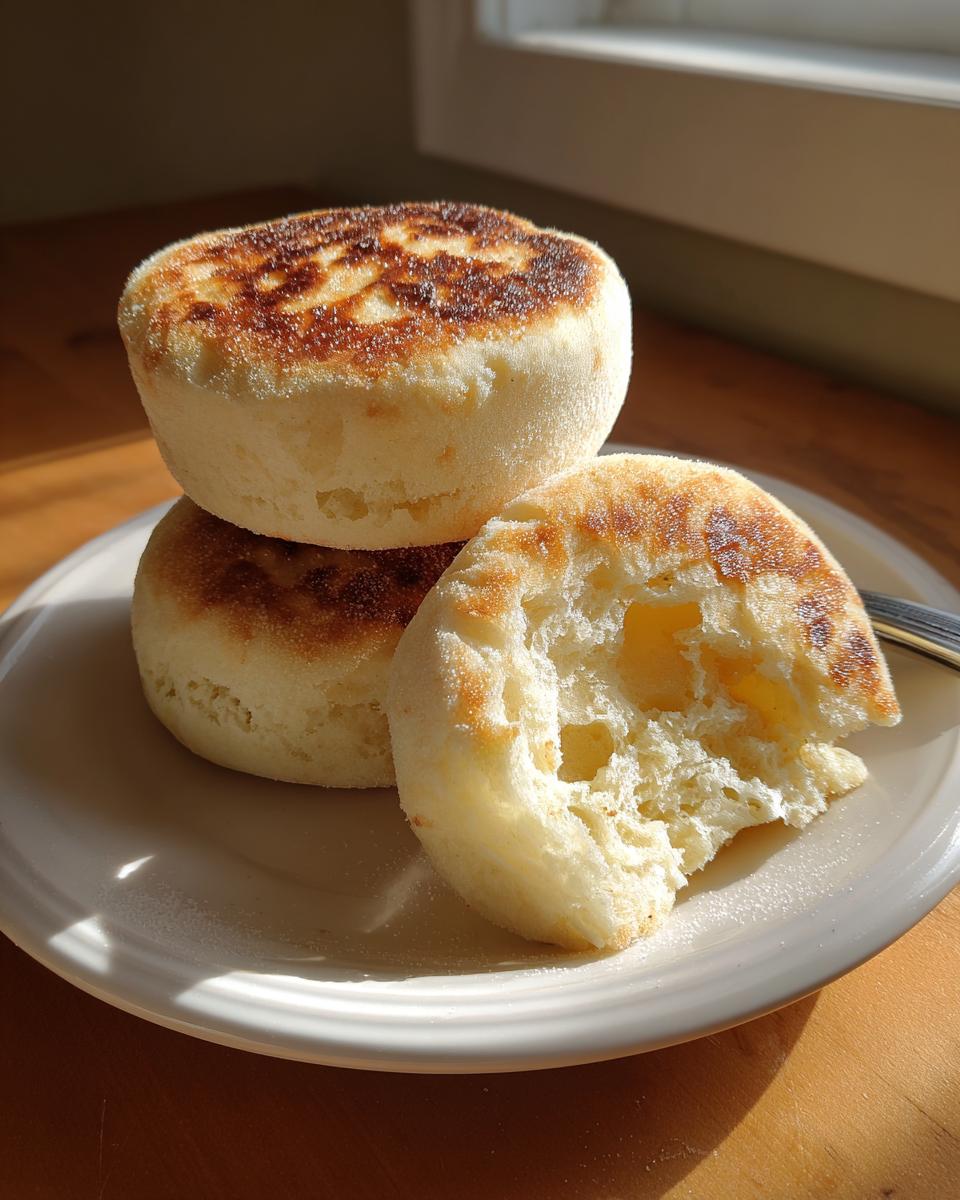
When you pull the dough out the next morning, treat it gently; don’t punch the air out! Lightly flour your counter and roll it out to about half an inch thick. Cut out your rounds using a 3-inch cutter. Dust those beauties generously with cornmeal—this stops sticking beautifully—and preheat your cast-iron griddle to medium-low. Seriously, medium-low! If it’s too hot, they burn black instantly and stay raw inside. Cook them for about 8 to 12 minutes per side until golden brown and you see that classic pale band circling the center. Once they are done, remember to check out the full recipe steps before you slice into those perfect sourdough English muffins! You can find great tips over at this great resource.
If you want more baking inspiration, take a peek at my guide for easy French bread—it uses similar principles of respecting rest time!
Tips for Mastering Sourdough English Muffins Success
Baking is forgiving, but these sourdough English muffins love attention to detail! If you follow the steps, you’ll get those amazing nooks and crannies every time. Remember that key detail: never slice them with a knife! You have to gently pick them apart with a fork after toasting. That piercing motion is what reveals the airy tunnels inside. Don’t worry about perfectly smooth edges on the dough; slight roughness actually helps create more surface area for those beautiful nooks to form on the griddle.
Troubleshooting Flat or Dense Muffins
If your muffins come out a little flat, I’d bet money on two things: either your starter wasn’t fully active when you mixed, or you kneaded the dough way too much. We’re going for soft and pliable, not fighting you during the knead. If the dough seems way too wet even after the flour addition, just dust your hands and counter heavily before rolling it out—a sticky dough spreads too thin during cooking and pancakes!
For other bread tips, feel free to check out my guide for a soft and fluffy sourdough sandwich bread; the principles of gentle handling are similar!
Storage and Reheating for Your Homemade English Muffins
The tough part about baking greatness is realizing you might have leftovers! Luckily, these homemade English muffins freeze like a dream. If you need them fast, store them briefly in an airtight container at room temperature for up to two days—they stay pretty soft. But for long-term happiness, wrap them tightly in plastic wrap and foil before freezing. They’ll last for months!
When you’re ready for that perfect slice, don’t microwave them! You’ll ruin the texture. Skip over to this recipe for inspiration while they thaw slightly if needed. The only way to reheat is to split them open with a fork and toast them directly. That toasting step reactivates their structure and makes them warm and chewy again.
Serving Suggestions for Sourdough English Muffins
Now that you’ve wrestled that beautiful dough into shape, the best part is eating them! Seriously, seeing those nooks and crannies burst open when toasted is worth every minute of that overnight chill. For a classic morning, you absolutely must split them with a fork and toast them until they are golden brown, then slather on butter that melts right into all those pockets. Don’t you dare toast them cut-side down in a dry pan—that just dries them out!
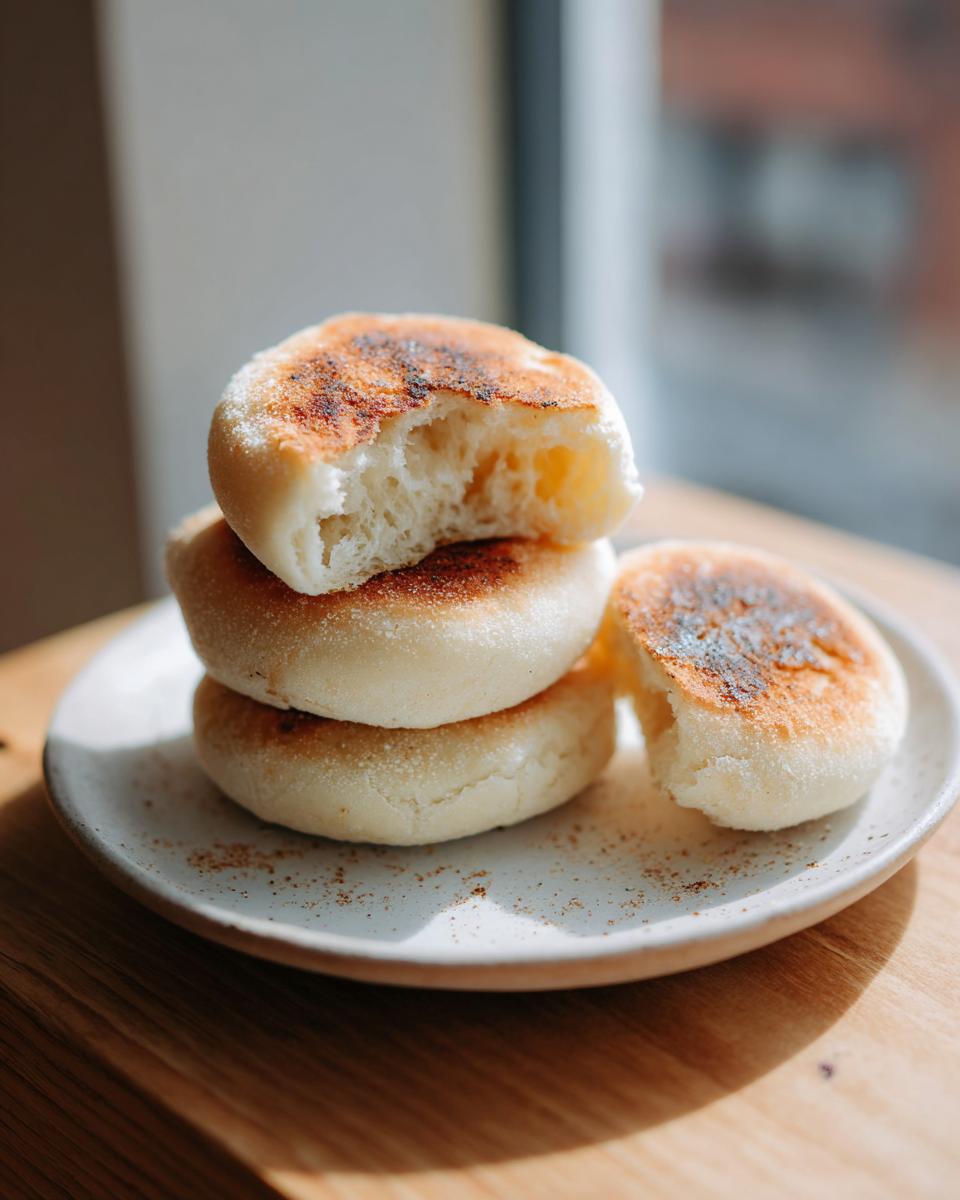
But don’t stop there! These are sturdy enough to handle heavier fillings. I love turning them into quick breakfast sandwiches—they make fantastic sourdough sandwich buns for egg and cheese. They even hold up well to savory toppings like a thin layer of smashed avocado or maybe even some smoked salmon. Check out my collection of breakfast recipes for pairing ideas!
Frequently Asked Questions About Sourdough Discard Muffins
I get so many notes asking about substitutions, especially since everyone seems to have a heap of starter discard lying around! It’s great that you’re trying to use every bit of that amazing starter. Here are the quick answers to the questions I hear all the time about these beauties.
Can I use only sourdough discard instead of active starter in this English Muffin Recipe?
You sure can play around with it! If you use only discard, you’ll need to make an adjustment because it won’t have all that fresh lift. Since discard is less active, you might need to add just a tiny bit more baking soda, or, more importantly, you’ll need to slightly reduce the amount of milk you add. Start with about 2 tablespoons less milk, mix it up, and see how the dough feels. It’s all about getting that perfect soft dough!
Do I need yeast for these Sourdough English Muffins?
Absolutely not! That’s the beauty of using an active starter—it does all the heavy lifting for us. This is genuinely a No Yeast Muffins recipe for your sourdough English muffins. The wild yeast and bacteria already in your bubbly starter are responsible for creating the gases that puff these up nicely on the griddle. No extra packets required, which is why they have that fantastic tangy flavor!
If you want more ways to use up that excess starter, check out my recipe for quick and fluffy sourdough discard rolls!
Nutritional Estimate for Sourdough English Muffins
So, let’s talk fuel for a minute. It’s always smart to know what you’re eating, even when it’s as wonderful as these homemade muffins! Based on the ingredients listed, here is a rough ballpark for one serving of our homemade English muffins. Just remember, this is an estimate, and what you use—like the type of flour or if you use honey versus sugar—will change the final count.
- Calories: Around 220
- Fat: About 5g
- Carbohydrates: Roughly 40g
- Protein: About 6g
- Sugar: Close to 2g
These figures look pretty reasonable for a twice-baked breakfast bread, right? Enjoy them toasted with your favorite things!
Share Your Homemade English Muffins Creations
That’s it—you’ve done the overnight magic and cooked up some spectacular homemade breakfast bread! Did you get those nooks and crannies we were dreaming about? I truly want to know! Please come back, leave a star rating below, and tell me how they turned out. If you snapped a photo of your beautiful breakfast stack, I’d love for you to tag me. You can learn more about my cooking journey over on my About Page!
PrintThe Ultimate Sourdough English Muffins: Perfect Nooks, Crannies, and Overnight Fermentation

Make homemade sourdough English muffins from scratch. This easy, overnight recipe uses active sourdough starter to create fluffy muffins with the perfect nooks and crannies, ideal for toasting or breakfast sandwiches.
- Prep Time: 20 min
- Cook Time: 25 min
- Total Time: 12 hr 45 min
- Yield: 10 muffins 1x
- Category: Breakfast
- Method: Griddle Cooking
- Cuisine: American
- Diet: Vegetarian
Ingredients
- 1 cup active sourdough starter (fed 4–8 hours prior)
- 1 cup whole milk, lukewarm
- 2 tablespoons unsalted butter, melted
- 1 tablespoon honey or sugar
- 1 teaspoon fine sea salt
- 1 teaspoon baking soda
- 3 1/2 cups all-purpose flour, plus more for dusting
Instructions
- In a large bowl, mix the active sourdough starter, lukewarm milk, melted butter, and honey until combined.
- Whisk in the salt and baking soda. Gradually add the flour, mixing until a shaggy, soft dough forms. You may not need all the flour.
- Turn the dough out onto a lightly floured surface. Knead gently for about 5 minutes until the dough is smooth but still soft. Do not over-knead.
- Place the dough in a lightly oiled bowl, cover tightly, and let it rest in the refrigerator overnight (8 to 12 hours) for flavor development.
- The next morning, lightly flour your work surface. Gently pat or roll the dough out to about 1/2-inch thickness.
- Use a 3-inch round cutter to cut out the muffin shapes. Gather the scraps, gently re-knead, and cut more rounds.
- Dust both sides of the rounds generously with cornmeal or semolina flour to prevent sticking.
- Heat a dry cast-iron griddle or heavy skillet over medium-low heat. The temperature is key; too hot and they will burn before cooking through.
- Place the rounds on the hot griddle, leaving space between them. Cook for 8 to 12 minutes per side, until golden brown and cooked through. You are looking for a pale band around the middle.
- Transfer the cooked English muffins to a wire rack to cool completely.
- To serve, split them open using a fork to preserve the nooks and crannies, then toast before buttering or using for breakfast sandwiches.
Notes
- For the best ‘nooks and crannies,’ avoid using a knife to split the muffin; use a fork to gently pierce around the edge.
- If you prefer a tangier flavor, allow the dough to bulk ferment at room temperature for 2-3 hours before refrigerating.
- You can use sourdough discard in this recipe if you feed it first and ensure it is active and bubbly, or you can adapt the recipe to use only discard if you adjust the liquid slightly.
Nutrition
- Serving Size: 1 muffin
- Calories: 220
- Sugar: 2
- Sodium: 350
- Fat: 5
- Saturated Fat: 3
- Unsaturated Fat: 2
- Trans Fat: 0
- Carbohydrates: 40
- Fiber: 2
- Protein: 6
- Cholesterol: 15