

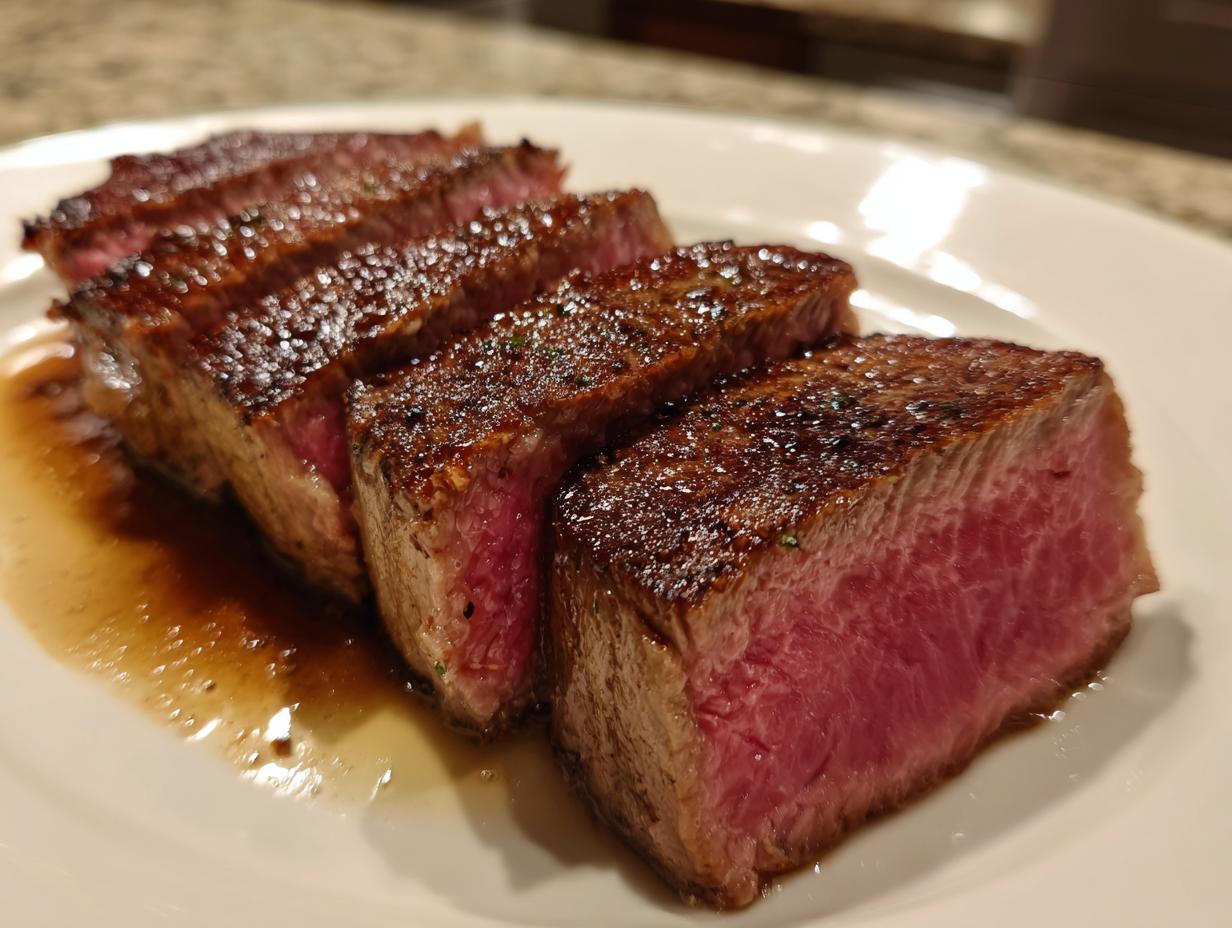
Listen, I spent years on the road, eating incredible food everywhere from cheap diners to legendary smokehouses, and I learned one thing: you absolutely do not need a million-dollar steakhouse kitchen to cook a genuinely perfect meal. Forget everything you think you know about complicated methods. We’re going to master the ribeye steak tonight using just a skillet and some fire. This isn’t about fuss; it’s about foolproof technique. I’m going to show you my absolute best way—The Ultimate Cast Iron Pan-Seared Ribeye Steak—guaranteeing you get that shattering, salty crust and a center so unbelievably juicy it’ll make you rethink every steak you’ve ever cooked before. If you want to use your amazing steak results later on some toast points, jump over and check out my steak crostini recipe for an easy appetizer!
- Why This Cast Iron ribeye steak Recipe Delivers Restaurant Style Steak at Home
- Essential Ingredients for Your ribeye steak Recipe
- Step-by-Step Instructions: How to Cook ribeye steak Perfectly
- Tips for Success When Making a Pan Seared ribeye steak
- Serving Suggestions for Your Perfectly Cooked Steak
- Storage and Reheating Instructions for Leftover ribeye steak
- Frequently Asked Questions About Cooking ribeye steak
- Nutritional Estimates for This ribeye steak Recipe
- Share Your Restaurant Style Steak at Home Success
Why This Cast Iron ribeye steak Recipe Delivers Restaurant Style Steak at Home
Folks, the magic here is making something fancy feel totally doable. We skip the guesswork of the grill or the slow oven approach that can dry things out. Using cast iron on direct, roaring heat is how the pros get those beautiful results, fast. It’s about building sharp, intense flavor instantly. If you’re looking for a simple side to go with this amazing dinner, my garlic herb rice pilaf is a winner!
Achieving the Perfect Steak Crust
That deep, dark crust? That’s the Maillard reaction working overtime, and it only happens when the pan is absolutely screaming hot and your steak is bone dry. We aren’t gently cooking it; we are searing it hard and fast. That aggressive heat caramelizes the surface proteins, locking in texture and flavor right away.
The Secret to a Juicy Steak Center
Juiciness doesn’t come from luck; it comes from physics! You need a thick ribeye steak so the outside can crust over before the inside overcooks. Getting that perfect medium rare steak texture means you have to temper the meat first and then, this is crucial, let it rest so those steak juices redistribute evenly.
Essential Ingredients for Your ribeye steak Recipe
Before we even think about turning on the heat, we need to talk about what you’re working with. Ingredients for a great ribeye steak recipe don’t need to be fancy, but they do need to be right. I always say you can’t make a masterpiece with subpar supplies, so let’s treat this beautiful cut of beef with the respect it deserves. If you’re planning on pairing this, my garlic mashed potatoes are the ultimate comfort side, just saying!
Here’s what you need to pull off this restaurant style steak at home. Remember, quality matters here since there aren’t many distractions in this simple method:
- 2 (1.5-inch thick) ribeye steaks, about 16 ounces each. Thickness is key for that internal temperature control!
- 2 tablespoons coarse salt (Kosher salt is my pick). Don’t panic about the amount—we need this for the crust.
- 1 teaspoon black pepper. Freshly ground is always better, trust me.
- 2 tablespoons high smoke point oil. Use canola or grapeseed—we need oil that can handle screaming high heat without turning acrid.
- 4 tablespoons unsalted butter. The good stuff! We use this for basting later.
- 4 cloves garlic, smashed. Smashed, not chopped! We just want the flavor to infuse the butter.
- 3 sprigs fresh thyme or rosemary. These aromatics are what make the basting smell like a fancy steakhouse.
Step-by-Step Instructions: How to Cook ribeye steak Perfectly
Okay, this is where the real work—or maybe I should say the real *fun*—begins. Putting this all together is easier than you think, but you have to respect the heat and the timing. We’re going from raw beef to that stunning, restaurant-quality steak in about 15 minutes of active cooking. Stick to these steps, and I promise you’ll get the best pan seared ribeye texture you’ve ever made. If you’re looking for a great way to soak up those rich juices afterward, might I suggest my French onion butter rice? It’s divine!
Preparation: Tempering and Seasoning the ribeye steak
First things first: we need to take the chill off. Pull those beautiful steaks out of the fridge for at least 45 minutes before you plan to cook. Letting them sit at room temperature—tempering them—means they cook evenly from edge to center. Next, grab your paper towels. Seriously, pat those steaks until they are absolutely, unbelievably dry on every surface. If they are wet, you steam them instead of searing them. Once they’re dry, hit them hard with that kosher salt and pepper. Don’t sprinkle it lightly; we are building a blanket of flavor here that becomes that golden crust.
The High-Heat Sear and Creating the Steak Crust
Grab your heavy cast iron skillet and put it on high heat. I mean *high*. You have to let that pan heat up for a solid five to ten minutes until you see wisps of smoke. That’s how you know it’s ready for the next level. Add your high smoke point oil, wait for it to shimmer—not just ripple, but really shimmer—and then you delicately lay those seasoned steaks in away from you. Listen for that immediate, aggressive sizzle. You’re going to leave them alone for 3 to 4 minutes. Don’t touch them! That’s the rule for developing that incredible steak crust.
Basting with Garlic Butter Steak Aromatics
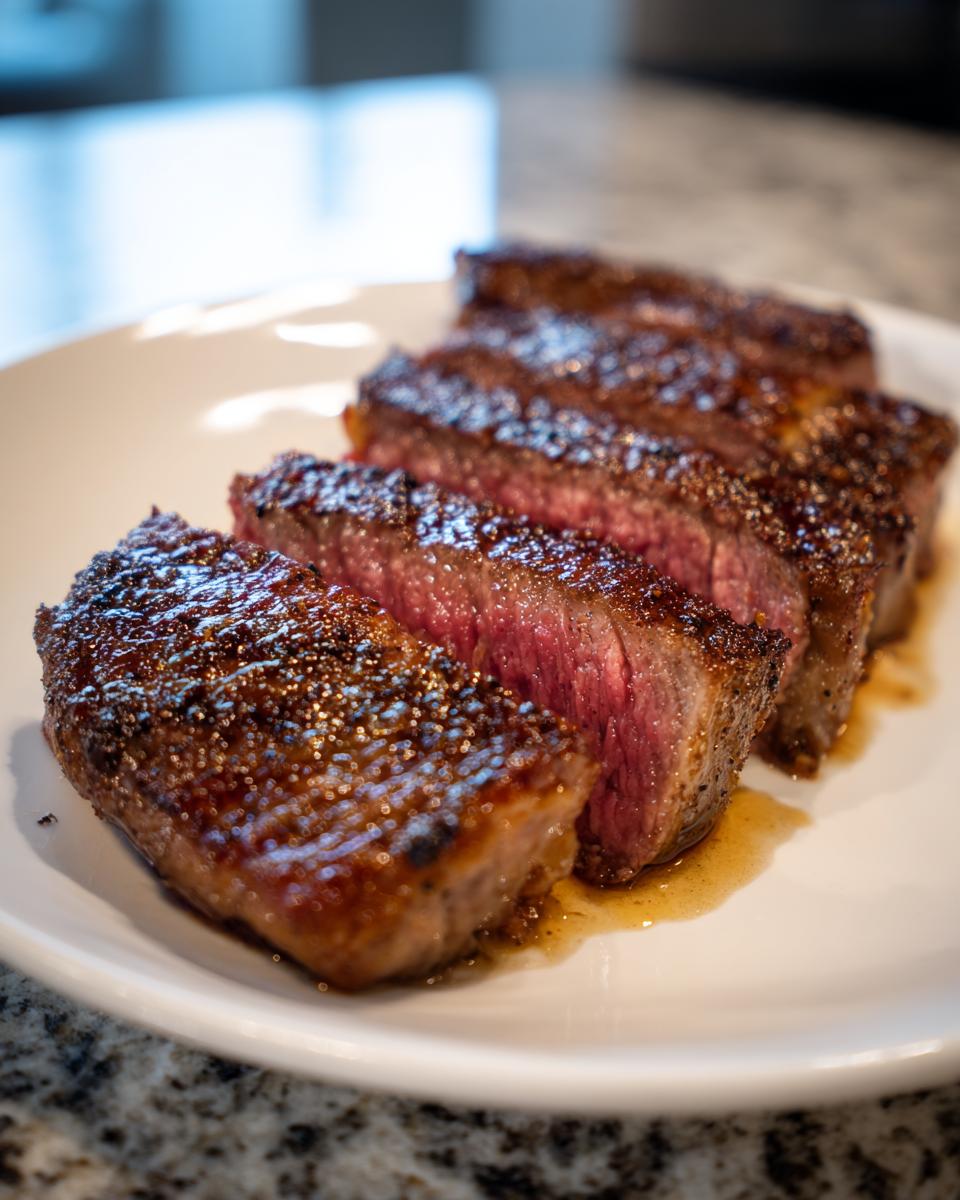
After the first side is deeply browned, flip the steak over. Now, immediately drop in the butter, the smashed garlic, and the herbs. The butter will start foaming right away. You need to tilt that skillet just slightly so all that glorious melted butter pools up nicely. Take a big spoon and just keep spooning that foaming, herby, garlicky butter right over the top surface of the steak repeatedly for about a minute or two. This basting step is what gives you that authentic garlic butter steak flavor and keeps the top moist while the bottom finishes searing.
Checking Temperature for Medium Rare Steak and Resting
This is where we nail that perfect doneness. Use an instant-read thermometer because guessing is pointless when you’re close. For the classic medium rare steak everyone loves, you are pulling that steak from the heat when the center reads 130°F. Overcook it by even a couple of degrees, and you’ve lost the magic. Immediately transfer the steaks to a cutting board or a wire rack. Now, the most painful but necessary step: let them rest, uncovered, for a solid 10 minutes. This resting period allows the muscle fibers to relax and reabsorb all those beautiful liquids, ensuring you get a truly juicy steak when you slice it.
Tips for Success When Making a Pan Seared ribeye steak
Even though this method is rock-solid, there are always a few little tricks that take your pan seared ribeye from great to legendary. I dug through my notes from the road—the stuff the pros scribble on napkins—and these are the bits I always lean on when I want that extra oomph. Remember, we’re aiming for that restaurant-quality steak at home!
If you have a really thick cut—say, over 1.5 inches—the high heat might burn the outside before the middle warms up. When that happens, I finish it off quickly in the oven preheated to 400°F. Think of it as gentle assistance after a hard sear. For thinner cuts, definitely try searing that fat cap edge first for a minute or so before hitting the flat sides; rendering that fat down adds unbelievable flavor.
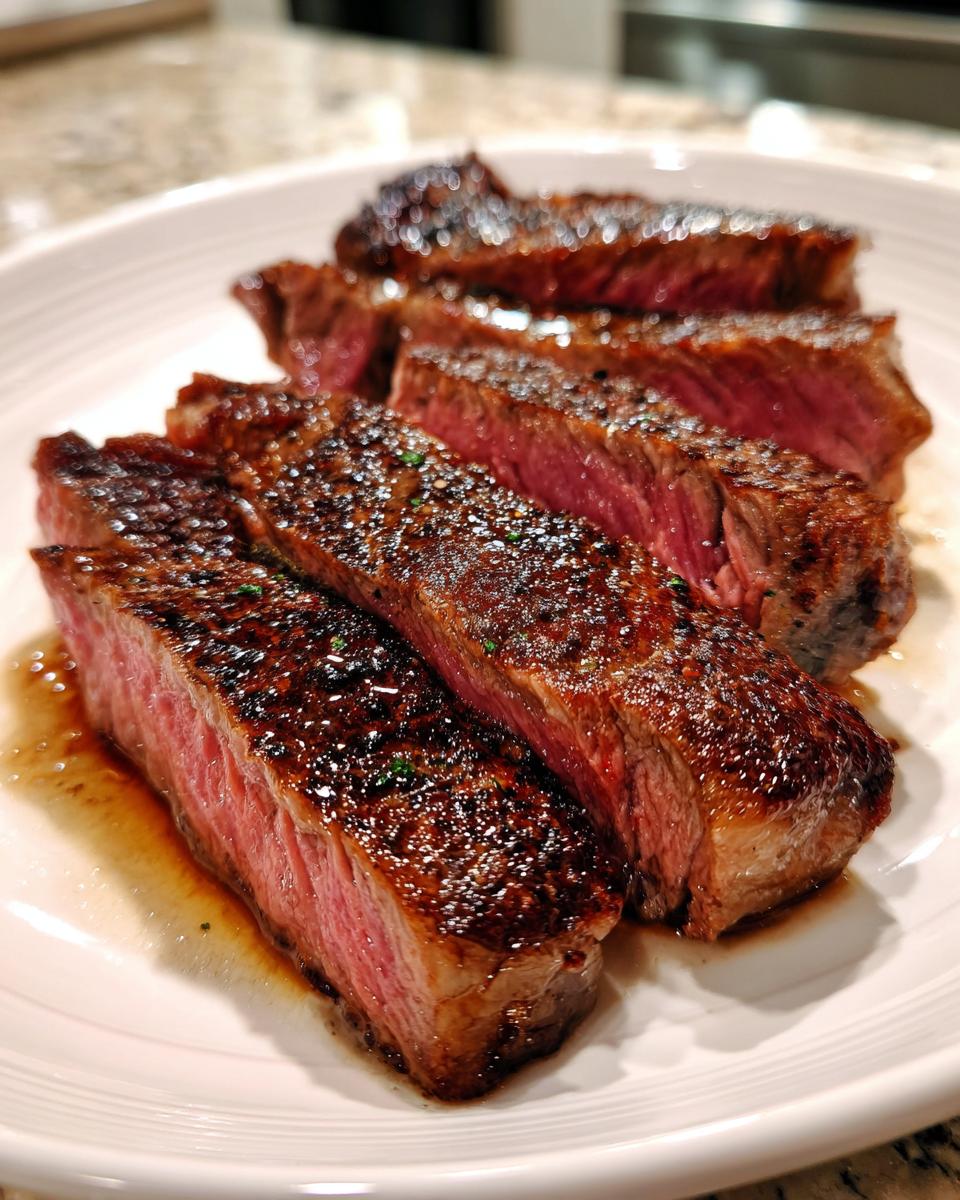
And one last thing: don’t waste those incredible drippings! Scoop out that leftover garlic butter steak residual from the skillet and drizzle it right over your sliced meat just before serving. It’s like a final flavor punch. If you want to try a different high-heat preparation later, my oven-roasted whole chicken shows you how to manage big flavor hits with lower effort.
Serving Suggestions for Your Perfectly Cooked Steak
Alright, you’ve got this incredible ribeye steak sizzling hot, resting perfectly, and smelling like heaven. What do you serve it with? We’re keeping it grounded here—no white tablecloth nonsense required! Keep the sides easy so you can focus on enjoying that perfect sear.
I always lean towards something green and something starchy. Roasted asparagus tossed simply with olive oil and salt is fantastic; it cooks fast and keeps its crunch. If you want comfort, you can never go wrong with creamy mashed potatoes, or try dipping some crusty bread into the leftover pan juices with my creamy baked garlic bread dip!
Storage and Reheating Instructions for Leftover ribeye steak
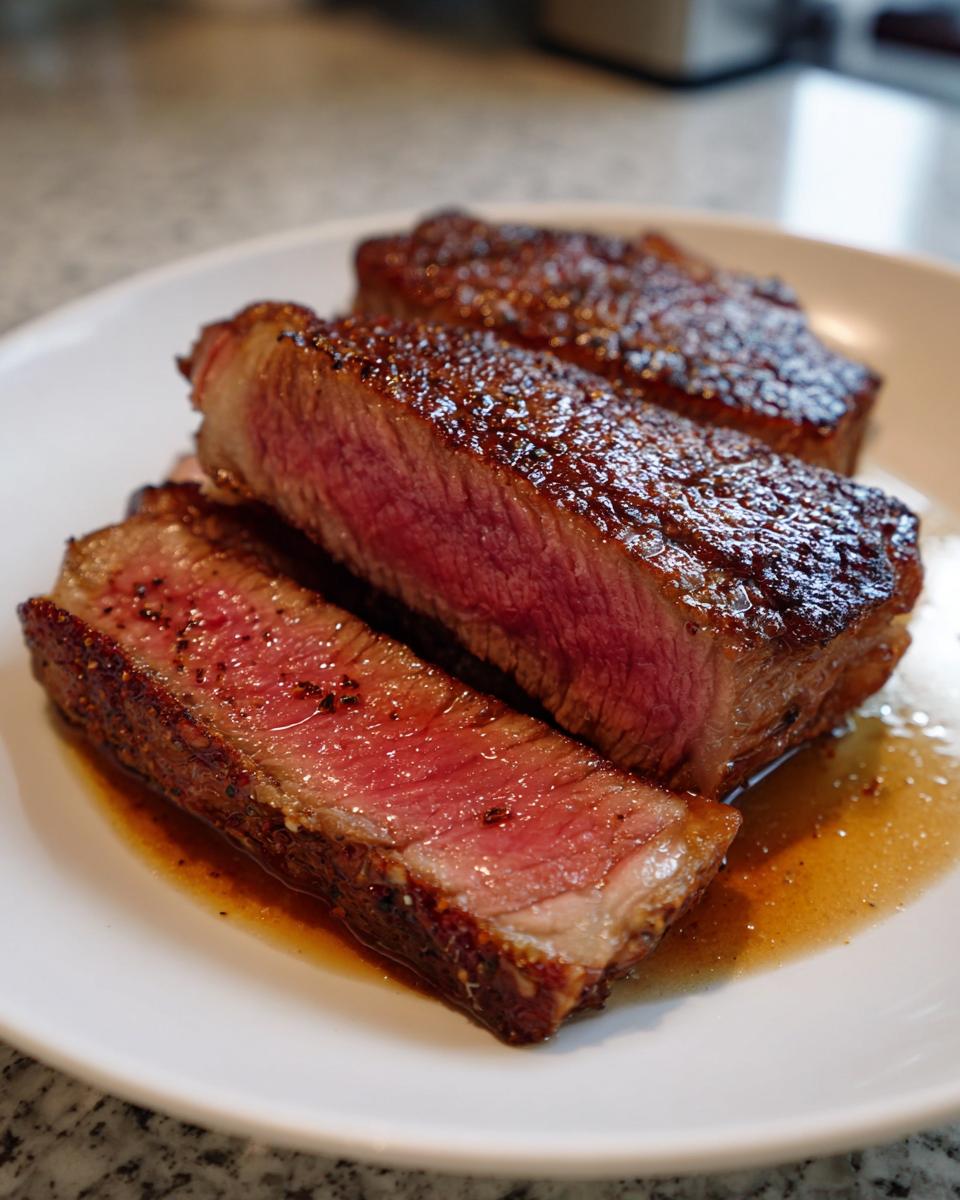
First off, if you have leftovers, you cooked it amazingly well! Storing your leftover ribeye steak is easy, but reheating it right is the trick to avoiding dry beef. Store any sliced meat tightly wrapped in the fridge for up to three days. When you’re ready to enjoy it later, don’t just microwave it!
To revive that juiciness, I sneak a tiny splash of beef broth or water into a non-stick pan, keep the heat on low, and gently warm the slices just until they are heated through. This low, slow reheating keeps them tender and prevents that sad, tough texture. It’s perfect for tossing into a quick salad or eating alongside some eggs!
Frequently Asked Questions About Cooking ribeye steak
I get so many questions about nailing that initial cook, especially when people are trying to turn out a perfectly cooked steak for the first time. Don’t sweat it! The little details are what separate the good attempts from the ‘where can I get the recipe for this?’ moments. We’ve covered the main steps, but here are the quick answers to the things I hear most often about making this ribeye steak recipe shine.
What is the best way to check if my ribeye steak is medium rare steak?
Honestly, ditch the old ‘poke test’ your uncle taught you. The absolute best way to guarantee you hit that perfect medium rare steak temp is an instant-read thermometer. For medium rare, you want to pull the meat off the heat right at 130°F. Keep in mind it will climb a few extra degrees while it rests, so pulling it slightly before guarantees perfection.
Can I skip resting the steak for a juicy steak?
Oh, please don’t! If you skip resting the steak, I guarantee you are pouring all that delicious liquid right onto your cutting board instead of keeping it inside the meat. Resting for 10 minutes lets the muscle fibers relax and redistribute the juices. It’s the non-negotiable secret to a truly juicy steak.
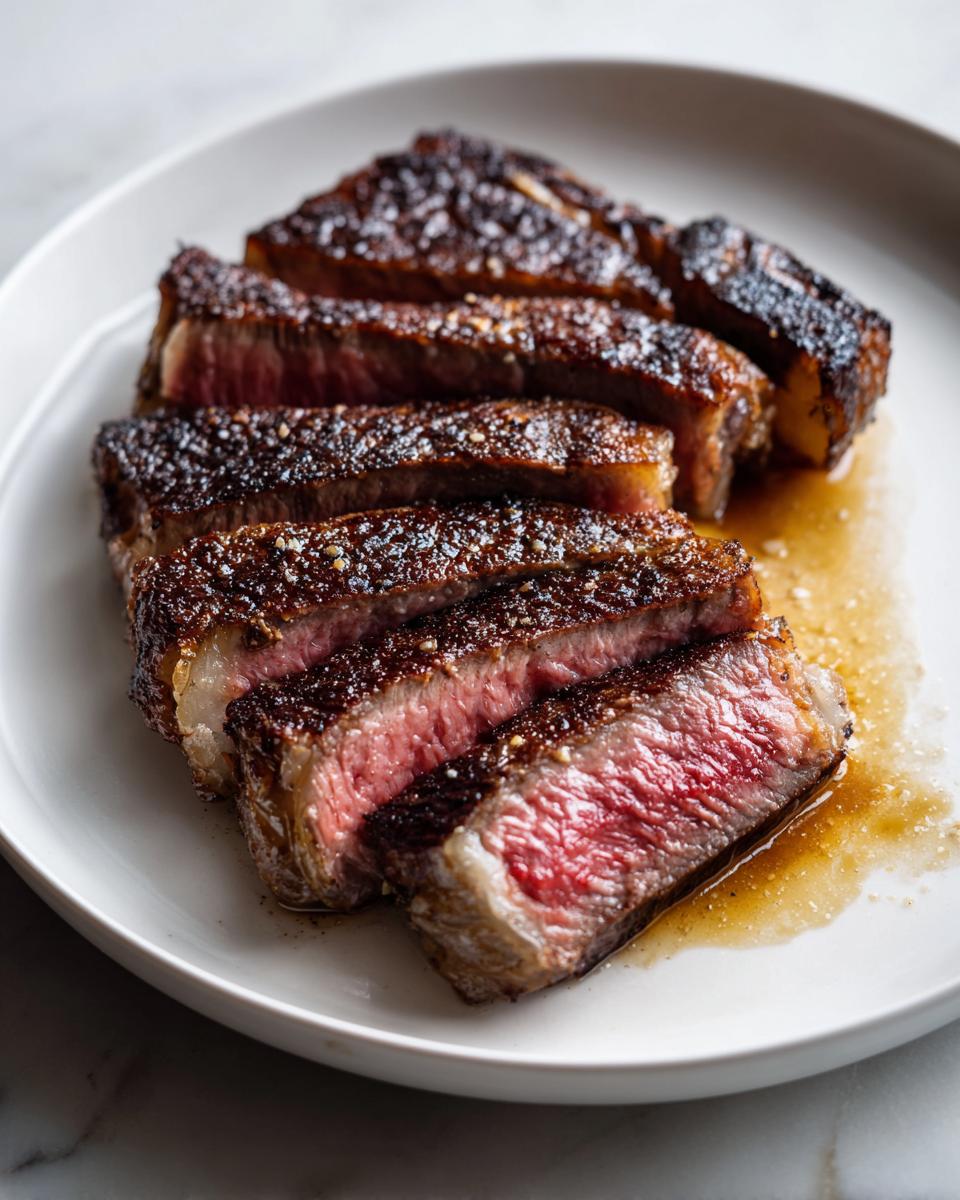
If you master this sear, you’ll feel like a pro chef! And when planning your next easy steak dinner, I highly recommend pairing it with my easy chicken satay recipe as a totally different flavor profile for later in the week!
Nutritional Estimates for This ribeye steak Recipe
Look, when you’re cooking thick-cut ribeye steak at home like this, we know we aren’t making cottage cheese! This recipe is rich because it’s delicious, but I want you to have an idea of what you’re diving into. These numbers are rough estimates based on the ingredients listed—your actual values will shift slightly depending on the exact cut of meat and butter you grab at the store.
- Serving Size: 1 steak
- Calories: 750
- Fat: 55g (mostly unsaturated, thank goodness)
- Protein: 60g
- Carbohydrates: 0g
- Cholesterol: 250mg
Seriously, take these numbers as a guide, not gospel. The quality of the beef matters way more than worrying over a few grams of saturated fat when you’re making something this special.
Share Your Restaurant Style Steak at Home Success
So, that’s it! You’ve cooked the ultimate ribeye steak. Now I want to know how it went down. Did you get that amazing crust we talked about? Take a minute and tell me! Rate this recipe and let me know if you added any secret rubs or if you stuck completely to my methods. Head over to the About page while you’re here to learn more about our cooking mission!
PrintThe Ultimate Cast Iron Pan-Seared Ribeye Steak: Foolproof Steps for a Restaurant-Quality Crust and Juicy Center
Learn the secrets to cooking a perfectly juicy ribeye steak with a crispy crust using a cast iron skillet. This method delivers restaurant-style steak at home every time.
- Prep Time: 45 min
- Cook Time: 10 min
- Total Time: 55 min
- Yield: 2 servings 1x
- Category: Dinner
- Method: Pan Searing
- Cuisine: American
- Diet: Low Fat
Ingredients
- 2 (1.5-inch thick) ribeye steaks, about 16 ounces each
- 2 tablespoons coarse salt (like kosher salt)
- 1 teaspoon black pepper
- 2 tablespoons high smoke point oil (like canola or grapeseed)
- 4 tablespoons unsalted butter
- 4 cloves garlic, smashed
- 3 sprigs fresh thyme or rosemary
Instructions
- Take your ribeye steaks out of the refrigerator at least 45 minutes before cooking. You need them close to room temperature for even cooking.
- Pat the steaks completely dry using paper towels. Moisture prevents a good crust.
- Season both sides of each steak generously with the coarse salt and black pepper. Do not hold back on the salt; this builds the crust.
- Place a heavy cast iron skillet over high heat. Let the skillet heat up for 5 to 10 minutes until it is smoking hot.
- Add the oil to the hot skillet. When the oil shimmers, carefully place the steaks in the skillet, ensuring they do not touch.
- Sear the steaks without moving them for 3 to 4 minutes until a deep brown crust forms.
- Flip the steaks. Immediately add the butter, smashed garlic, and herbs to the skillet. The butter should foam quickly.
- Tilt the skillet slightly so the melted butter pools on one side. Use a large spoon to continuously baste the foaming butter over the top of the steaks for 1 to 2 minutes.
- Use an instant-read thermometer to check the internal temperature for your desired doneness. For medium rare steak, aim for 130°F.
- Remove the steaks from the skillet and place them on a cutting board or wire rack. Let the steaks rest, uncovered, for 10 minutes. This resting period is key for a juicy steak.
- Slice the ribeye steak against the grain and serve immediately.
Notes
- For a thicker crust, you can sear the fat cap edge of the steak first for about 1 minute before searing the flat sides.
- If your steaks are thicker than 1.5 inches, consider using the oven baked ribeye method or finishing them in a 400°F oven after the initial sear.
- Use the basting butter from the pan to drizzle over the sliced steak for extra flavor.
Nutrition
- Serving Size: 1 steak
- Calories: 750
- Sugar: 0
- Sodium: 1200
- Fat: 55
- Saturated Fat: 25
- Unsaturated Fat: 30
- Trans Fat: 1
- Carbohydrates: 0
- Fiber: 0
- Protein: 60
- Cholesterol: 250