

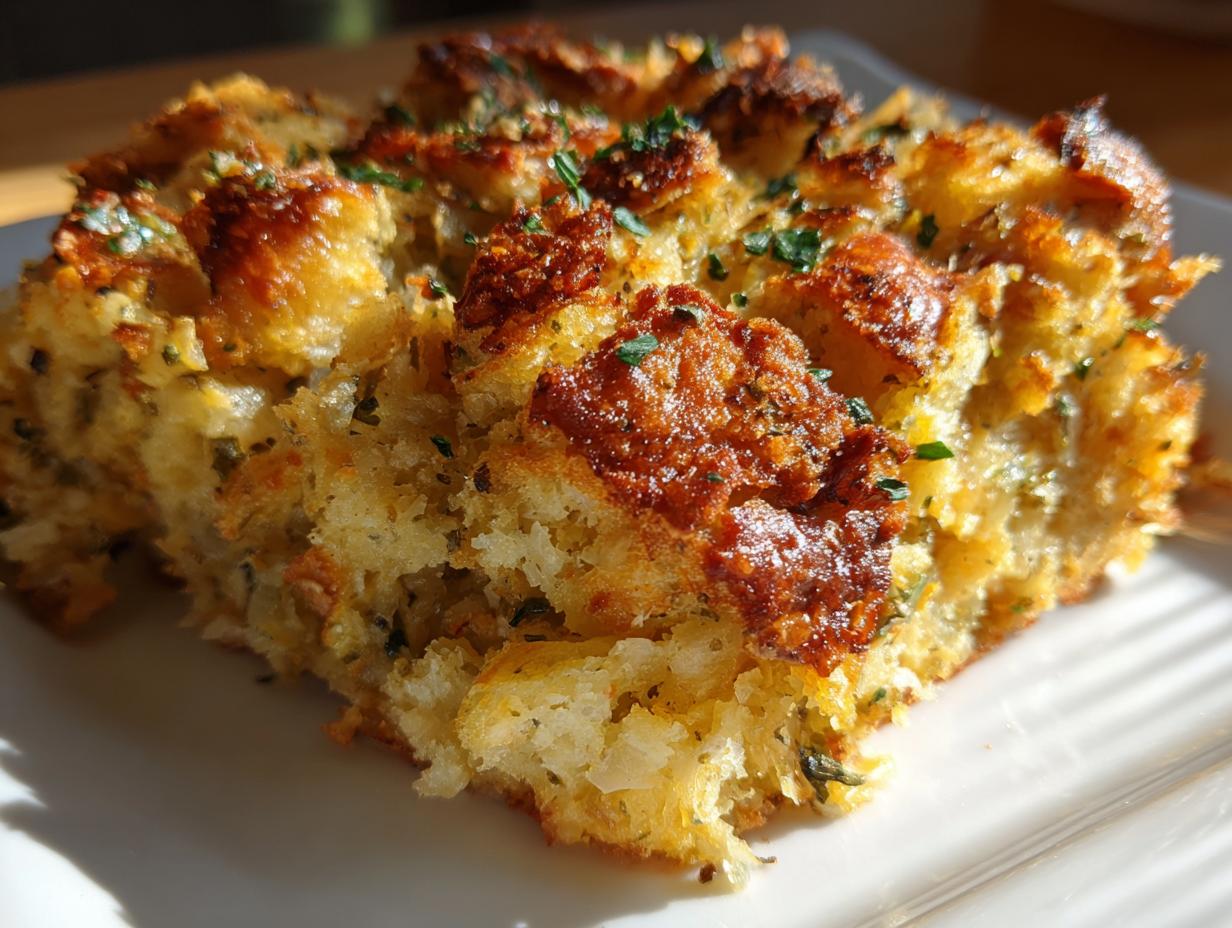
Listen, when the holidays roll around, you can skip a fancy new side dish, but you can never, ever skip the stuffing. I mean it! This recipe is the one I learned to make after years spent behind the scenes on the road where the best food was always the stuff made with heart and simple ingredients. Trust me when I say this Homemade Stuffing Recipe is totally foolproof. It delivers that perfect contrast—a deep, buttery interior that practically melts in your mouth, balanced by a crunchy, golden brown top layer. This isn’t just dressing; it’s the centerpiece of comfort food that proves you don’t need complicated skills to achieve spectacular flavor. It’s tradition in a casserole dish! You can read more about how we bring that road-tested passion into every recipe over on our About Page.
- Why This Homemade Stuffing Recipe Earns the Title of Best Stuffing Recipe Ever
- Ingredients for Classic Homemade Stuffing Recipe
- Step-by-Step Instructions for Oven Baked Stuffing
- Expert Tips for the Ultimate Stuffing Success
- Make Ahead Stuffing and Storage Instructions
- Serving Suggestions for This Classic Thanksgiving Stuffing
- Frequently Asked Questions About Perfect Stuffing
- Estimated Nutritional Data for This Stuffing
- Share Your Experience with This Stuffing
Why This Homemade Stuffing Recipe Earns the Title of Best Stuffing Recipe Ever
So, what makes this method the absolute winner? I’ve tried dozens, but this recipe nails that holy grail of texture every single time. It comes down to respecting a few core ratios that honestly work better than any fancy shortcut out there. We aren’t using fancy canned stuff; we’re building flavor from the ground up. This is why I confidently call this the Best Stuffing Recipe Ever.
The secret sauce, besides all that lovely butter, is controlling the moisture. A soggy bottom ruins a holiday, doesn’t it? We manage this by ensuring our bread cubes are properly dried out—this is non-negotiable! That dry bread acts like a sponge, ready to soak up the savory broth without turning into complete mush. I even saw a great method for quick adjustments over at Spend With Pennies that backs up the importance of starting dry.
Achieving Perfect Moist and Crispy Stuffing Texture
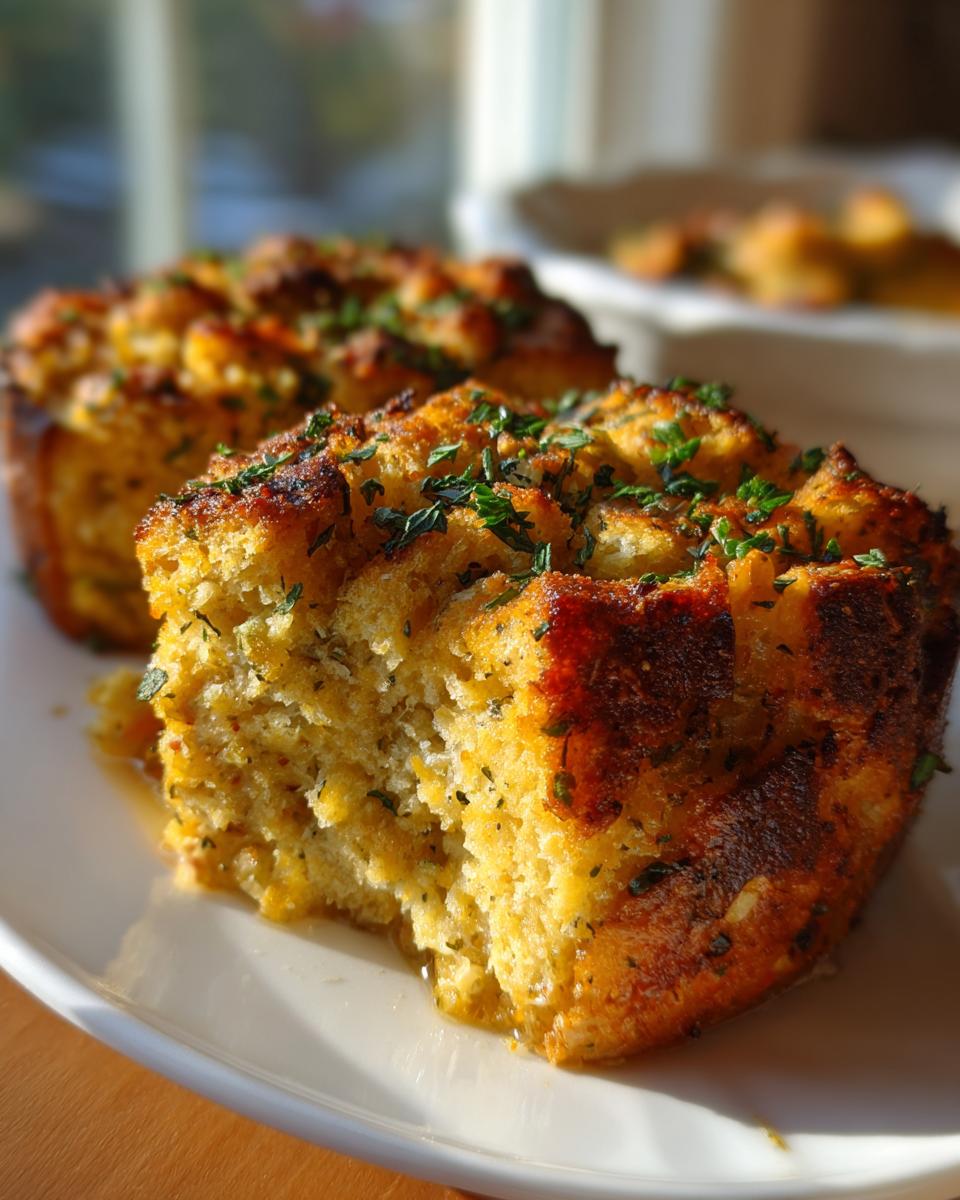
If you want that incredible Moist and Crispy Stuffing, listen closely: toasting your bread cubes first is key. If you skip this, the bread just turns gummy when the liquid hits it. We want tender, but not waterlogged! The eggs also play a huge role here; they act like a gentle binder. They hold everything together just enough so you get beautiful, intact crumbles on top, but they definitely don’t make it tough or gluey. It’s that perfect savory bread structure that makes people ask for seconds!
Ingredients for Classic Homemade Stuffing Recipe
Alright, let’s gather our gorgeous supplies! Making incredible stuffing from scratch is all about getting the ratios right here. Don’t rush this part; seeing everything laid out makes the assembly process so much faster later on. Remember, the quality of your bread matters the most, so try to use day-old bread if you can!
Here’s what you’ll need to get our Classic Thanksgiving Stuffing rolling. I’m listing everything out as clearly as possible because guesswork is not my style when it comes to flavors this important:
- One whole pound of dried bread cubes—this usually shakes out to about 10 to 12 cups, depending on how fluffy your bread is.
- One full cup of unsalted butter. Seriously, use the good stuff here; it’s worth it.
- Two cups of onion, chopped nice and fine.
- Two cups of celery, also chopped neatly.
- One big tablespoon of fresh sage, I mean really chop it up! Smell that? That’s the aroma of happy holidays.
- One teaspoon of dried thyme.
- One teaspoon of dried rosemary. Again, I love fresh, but dried works perfectly fine here, just makes the sauté step easier.
- One teaspoon of salt—taste before adding more later!
- About half a teaspoon of fresh black pepper.
- Four cups of chicken or vegetable broth. This is where we control the moisture, so keep it nearby!
- Two large eggs, just beaten lightly in a small dish. These are our little insurance policy against crumbling!
- And here’s where you can level up: One pound of ground sausage. Make sure you cook it first and drain off all that fat before it joins the party. This is for our Sausage Stuffing Recipe variation later!
Step-by-Step Instructions for Oven Baked Stuffing
Okay, now for the fun part! We are putting this magic together. Remember, we are making an Oven Baked Stuffing here because texture is everything, and keeping it out of the bird helps the top get perfectly brown and crispy. Grab your 9×13 baking dish and make sure you grease it up well—I use my homemade cake goop trick here, which you can review in the baking post if you need a refresher!
First things first: Fire up that oven to 350°F (175°C). While it’s warming up, prep those bread cubes if they feel remotely soft by baking them on a sheet for about 10-15 minutes until they feel dry. Once that’s done, we move straight into building our flavor base.
Preparing the Aromatics for Savory Bread Stuffing
We need our vegetables to sing, not burn! Melt that whole cup of butter in a really large skillet over medium heat. Toss in your chopped onions and celery. You need to cook these until they are totally soft and sweet—that means about 8 minutes, maybe 10. You’re aiming for transparency, not hard, dark edges! Once softened, toss in your fresh sage, thyme, rosemary, salt, and pepper. Cook for just one minute until you can really smell those herbs waking up. If you’re adding sausage, this is when you toss in your pre-cooked, drained sausage bits and stir to coat them in all that fragrant butter.
The Key Step: Moistening the Stuffing Mixture
Time to bring the dry bread and the wet aromatics together in your biggest bowl. Pour that sauté pan mixture right over the dried cubes. Now, this liquid part requires control, so listen up! In a separate small bowl, whisk your 4 cups of broth with those 2 eggs. Slowly pour about three-quarters of that liquid over the bread mixture.
Here’s where people mess up: don’t beat it! Gently toss everything together. You want to see streaks of dry bread still visible. If it looks totally saturated right away, you added too much liquid! We want it just coated for now. You can check out some great tips on this exact stage from Mom’s Dinner too. Transfer that gently tossed mixture to your greased dish. Bake for 40 to 50 minutes, and please, let it chill out for 10 minutes after it comes out before you dig in. You can check out our site’s policy on ingredient sourcing if you’re curious about what brands I lean towards!
Expert Tips for the Ultimate Stuffing Success
You’ve nailed the mixing, you’ve got it in the pan, but these little tricks are what take this from a good side dish to something people actually talk about the next day. As someone who learned cooking out on the road, resourcefulness and maximizing simple ingredients are my jam. We want that fantastic texture and flavor payoff!
First off, let’s talk bread selection again. I mentioned day-old, but let’s be clear: if you use fresh, soft sandwich bread, you are signing up for soggy stuffing. You need sturdy cubes that can handle a little bath and still hold their shape. A good crusty sourdough or even stale French bread works like a dream. If you look at some of the classics, like the approach over at Miss Meme’s Place, they all highlight the importance of that dry base!
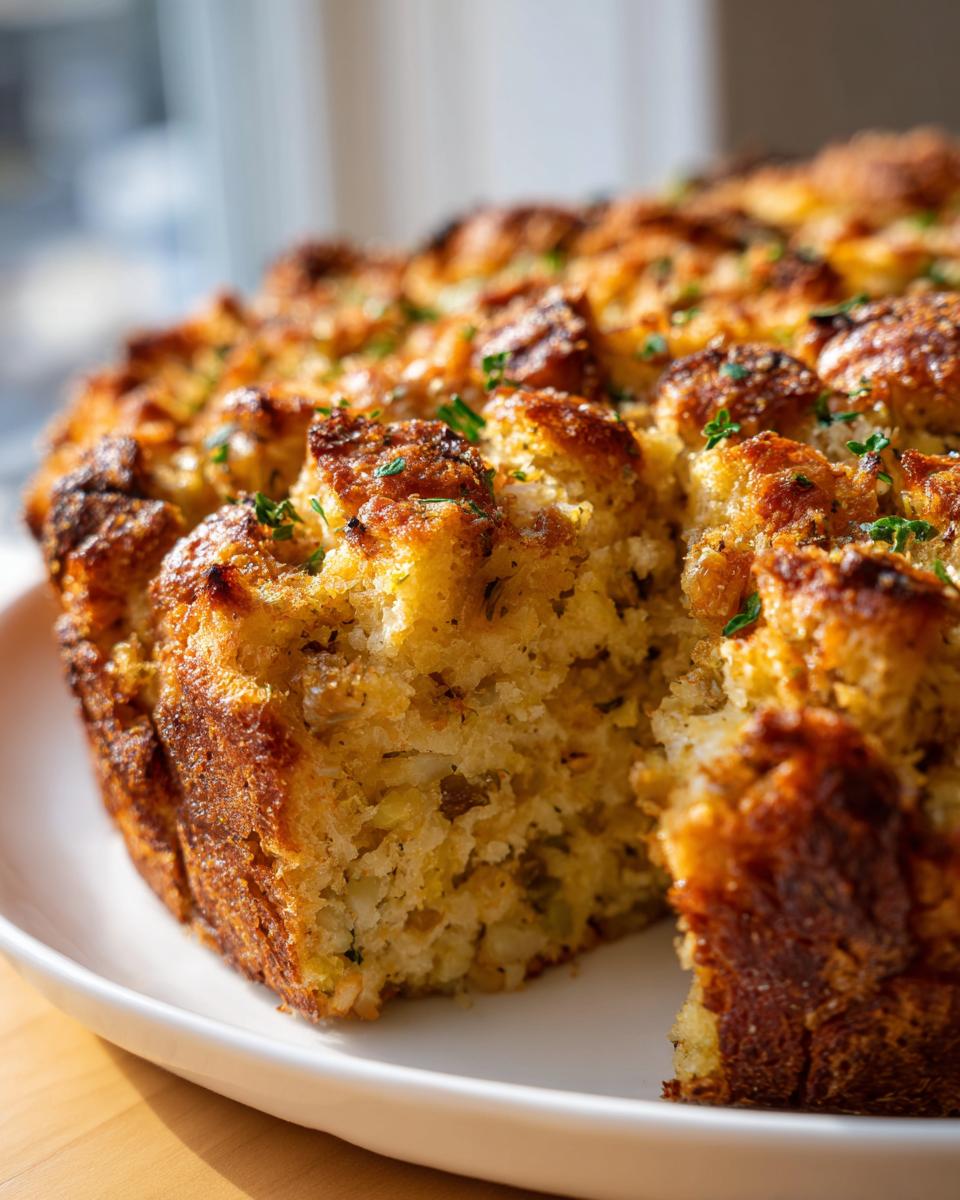
And yes, bake it outside the bird! I know the tradition, but honestly, stuffing baked inside is steaming, not baking. When you bake it in a casserole dish, you get that gorgeous, deeply browned crispy crust all over the top. That contrast is what makes this stuffing with fresh herbs so addicting.
Variations: Making Sausage Stuffing Recipe
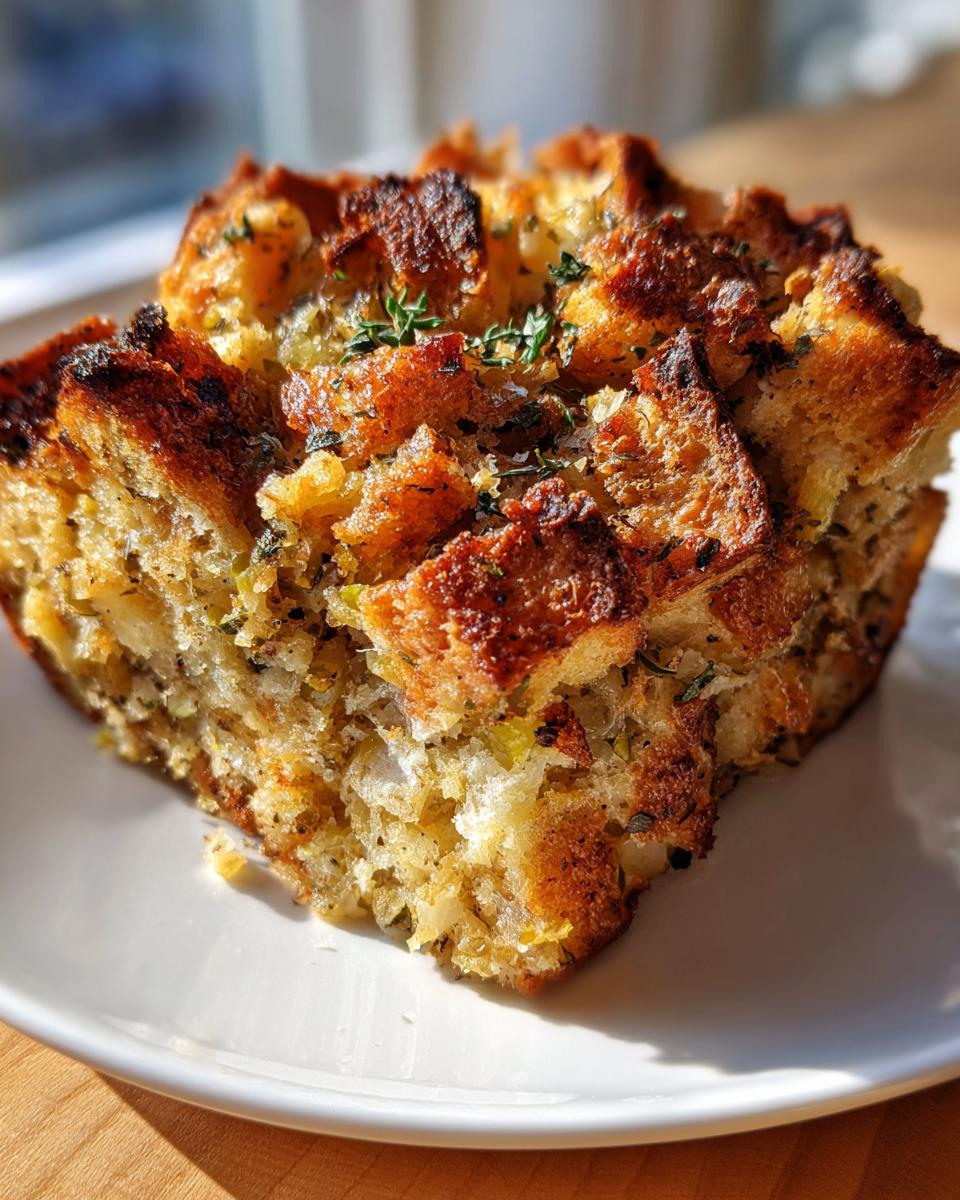
If you opted to add that pound of ground sausage—smart move! That savory meat adds so much depth to our savory bread stuffing. The instructions say to cook it first, which is important. You need to brown that sausage completely over medium heat, but here’s my big tip: drain off almost all the fat. You want the flavor, not a grease slick. A teaspoon or two of the fat back in with the butter and veggies is perfect for flavor transfer, but excess fat prevents the bread from crisping up properly.
Because sausage releases some fat during the baking process, if you use it, you might get away with using about half a cup less of straight broth. Taste the liquid mixture before you pour it over the bread, and remember the goal: just moist, not swimming!
Make Ahead Stuffing and Storage Instructions
I know the holidays can be hectic, truly stressful, which is why I always preach the gospel of make ahead stuffing! This dish is actually *better* when you prep the bulk of it the day before. You get a jump start on Thursday morning, and honestly, letting those flavors marry overnight in the fridge really deepens that savory taste.
Here’s the drill: assemble everything—the bread, the sautéed veggies, the herbs, and pour in the broth and egg mixture—just like we did in the main instructions. Toss it all together until it’s just moistened. Once it’s mixed, cover that casserole dish tight with plastic wrap or foil. You can safely keep this assembled goodness in the fridge for up to 24 hours. This covers your bases for a reliable holiday dressing recipe!
Now, if you’re baking straight from the fridge, the bread will be colder and a bit firmer. You absolutely must compensate for that chill! Before you pop it in the oven, check the texture and stir in an extra half cup of room-temperature broth. Yes, you read that right—extra liquid when baking cold is crucial to avoid ending up with that dry, crumbly stuff nobody wants. Bake it just like the recipe says, but you might need an extra 5 to 10 minutes to ensure it heats all the way through.
And what about leftovers? That’s the true test of a good recipe, right? If you have any leftover savory bread stuffing, store it tightly covered in the fridge for up to three days. To reheat leftovers and bring back some of that lovely texture, put the amount you want in an oven-safe dish, sprinkle just a tablespoon or two of water or broth over the top, cover it loosely with foil, and bake at 350°F until piping hot. That little burst of steam helps revive the moisture so you still get that lovely balance. It’s easy to save those leftovers for a cozy meal later, just like the wonderful tips over on The Food Charlatan suggest for keeping your stuffing tasting amazing!
Serving Suggestions for This Classic Thanksgiving Stuffing
Once your stuffing rests for those crucial ten minutes, the real feast begins! This savory bread stuffing is absolutely designed to be the perfect partner to everything else on that big holiday table. It’s rich enough to stand on its own, but it truly shines when it pulls together the plate.
Obviously, it’s mandatory alongside any roasted poultry. Whether you make a whole turkey or just a roasted chicken, that savory herb flavor is exactly what balances the richer, fattier meats. Don’t forget the gravy! Seriously, pour that brown, salty goodness right over the top. The crisp bits absorb the gravy beautifully without totally dissolving.
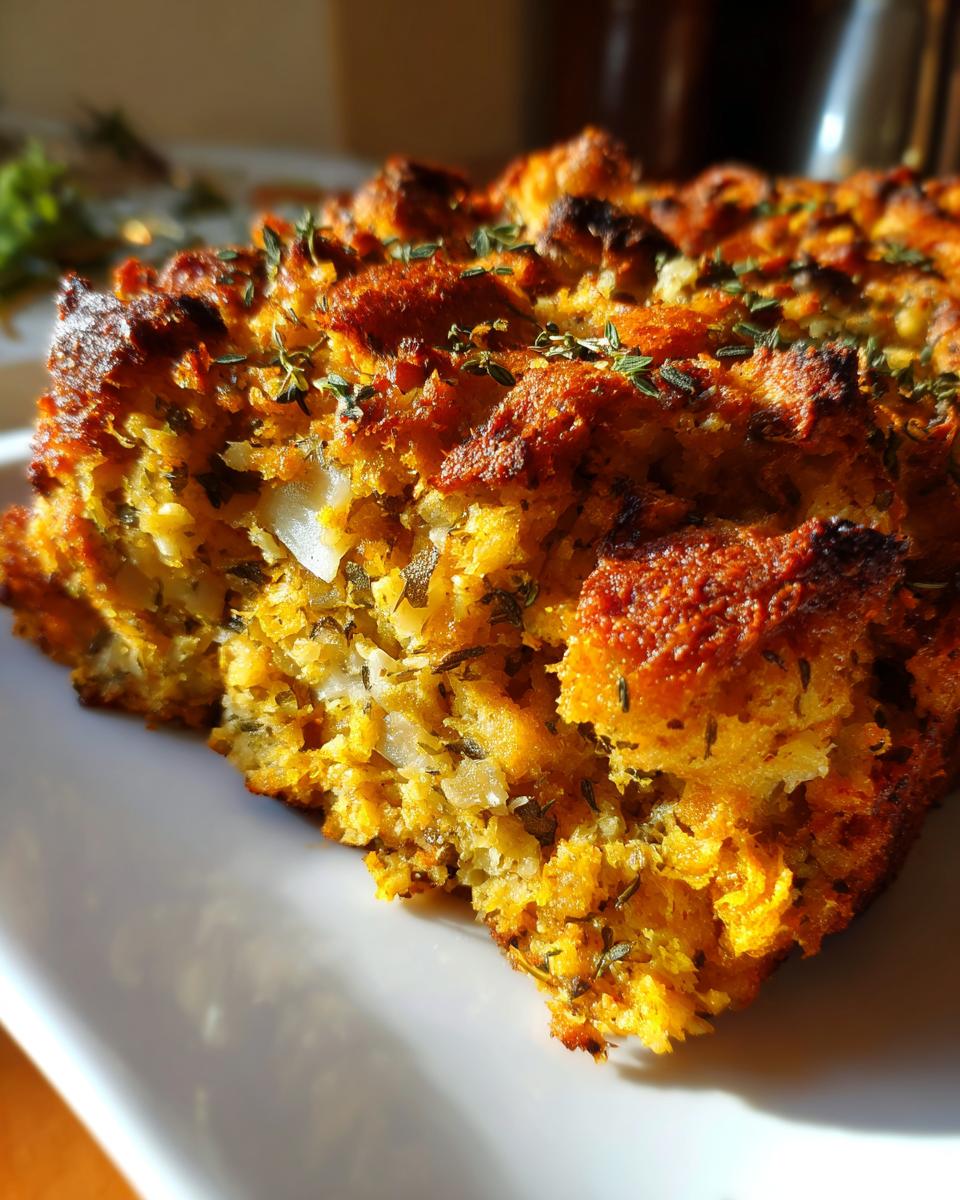
Beyond the main bird, this stuffing acts as the ultimate textural element for other Traditional Thanksgiving Sides. A spoonful alongside bright, tart cranberry sauce? Perfection. It’s also wonderful served next to something creamy, like mashed potatoes, giving your plate that necessary crunch factor. Every bite should be a mix of textures and flavors, and this classic homemade stuffing recipe is built to deliver that comfort!
Frequently Asked Questions About Perfect Stuffing
I know when you’re making a big holiday meal, questions pop up fast! Don’t worry, that’s why I’m here. We all want that savory flavor to be just right, and sometimes the recipe needs a little tweaking based on what you have on hand. Here are the things folks ask me most often about getting their stuffing absolutely perfect.
Can I make this a Vegetarian Stuffing Ideas recipe?
Absolutely, yes! This recipe is so robust with sage, thyme, and rosemary that it tastes fantastic even without the sausage. To make this work for your vegetarian friends, it’s super easy. First, just skip browning the sausage entirely, obviously! Second, make sure you swap out the chicken broth for vegetable broth, which is already listed as an option in the main ingredients. That’s it! The herbs carry all the flavor you need, making this a fantastic option for solid vegetarian stuffing ideas that everyone will love.
What is the difference between stuffing and dressing?
Oh, this is a fun one that gets people arguing at the dinner table! It really just comes down to geography, honestly. If you bake the mixture inside the turkey cavity, it is called stuffing. If you bake it separately in a greased casserole dish, like we do here, it’s technically called dressing.
Since we bake ours in a pan, we are making dressing, which I prefer because it gets that crispy top layer! Either way, with this buttery herb stuffing recipe, the flavor is going to be stellar!
Also, if you’re worried you might have overcooked your liquid and ended up with something too dry, just toss a couple of tablespoons of warm broth—or even better, melted butter—over the top before you bake it. If it’s too wet when you go to mix it, grab an extra cup of dried bread cubes! You can find more helpful tips on textures over at Aisha Recipes.
If you make adjustments or have other questions while you’re cooking, please don’t hesitate to reach out via our contact page!
Estimated Nutritional Data for This Stuffing
I’m happy to share the numbers, because knowing what you’re eating is important, even when it’s the best comfort food on the planet! But here’s my quick thought on these figures: because we are using a stuffing from scratch recipe, made with real, whole ingredients like fresh vegetables and lots of butter, these numbers can swing around a little based on exactly what brands of bread or broth you end up using.
These estimates are based on the recipe yielding 10 servings—a pretty hearty scoop! If you manage to make it stretch to 12 or 14 servings, the numbers will obviously go down significantly, but honestly, who is trying to skimp on the gravy-soaking champion of the table?
Here’s a general breakdown of what you can expect per serving:
- Serving Size: About 1 cup
- Calories: Around 320
- Total Fat: 18g (Be honest, you knew the butter was bringing it!)
- Saturated Fat: 10g
- Trans Fat: About 0.5g
- Cholesterol: ~55mg
- Carbohydrates: 35g
- Fiber: 2g
- Sugar: 3g (Mostly natural from the veggies)
- Protein: 7g
- Sodium: 450mg (This can fluctuate depending on how salty your broth is!)
Please remember, these figures are just estimates based on the core ingredients listed. If you add sausage (which adds protein and fat) or use a much saltier broth, you’ll need to adjust! This is real home cooking, not the perfectly calibrated science lab stuff, but it gives you a solid idea of what you’re enjoying!
Share Your Experience with This Stuffing
Okay, you’ve done the hard work, you’ve sautéed the aromatics, you’ve achieved that perfect golden crust, and now your kitchen smells like pure holiday magic. I want to know everything about it!
Did this Classic Homemade Stuffing Recipe turn out to be exactly what your holiday table needed? Did you manage to resist eating it all standing over the stove before dinner even started? Don’t keep these victories to yourself!
Please, hit that comment section down below. Tell me how it went! Did you stick to the classic herb version, or did you brave the sausage stuffing recipe variation? I love seeing photos of how you served up this traditional side dish—did you manage to get that beautiful crispy edge across the whole pan? Your real-life feedback helps the next person who tries this recipe feel confident about making their own perfect, savory bread stuffing.
Let me know how you liked it, and be sure to leave a star rating so others know this is the one to trust for their next big meal!
PrintClassic Homemade Thanksgiving Stuffing
Make a savory bread stuffing with a moist interior and crispy top using fresh herbs and butter. This recipe is a traditional holiday side dish.
- Prep Time: 20 min
- Cook Time: 50 min
- Total Time: 1 hour 10 min
- Yield: 10 servings 1x
- Category: Side Dish
- Method: Baking
- Cuisine: American
- Diet: Vegetarian
Ingredients
- 1 pound dried bread cubes (about 10–12 cups)
- 1 cup unsalted butter
- 2 cups chopped onion
- 2 cups chopped celery
- 1 tablespoon fresh sage, chopped
- 1 teaspoon dried thyme
- 1 teaspoon dried rosemary
- 1 teaspoon salt
- 1/2 teaspoon black pepper
- 4 cups chicken or vegetable broth
- 2 large eggs, lightly beaten
- Optional: 1 pound ground sausage, cooked and drained
Instructions
- Preheat your oven to 350°F (175°C). Lightly grease a 9×13 inch baking dish.
- If your bread cubes are not dry, spread them on a baking sheet and bake for 10-15 minutes until lightly toasted. Set aside.
- Melt the butter in a large skillet over medium heat. Add the onion and celery. Cook until softened, about 8 minutes.
- Stir in the fresh sage, thyme, rosemary, salt, and pepper. Cook for 1 minute until fragrant. If using sausage, add the cooked sausage to the skillet and stir to combine.
- Place the dried bread cubes in a very large bowl. Pour the butter and vegetable mixture over the bread cubes. Toss gently to coat.
- In a separate bowl, whisk together the broth and eggs. Pour this liquid mixture over the bread mixture. Toss gently until the bread is just moistened. Do not overmix.
- Transfer the stuffing mixture to the prepared baking dish.
- Bake uncovered for 40 to 50 minutes, or until the top is golden brown and the center is heated through.
- Let the stuffing rest for 10 minutes before serving.
Notes
- For a crispier top, bake the stuffing in a casserole dish rather than inside a turkey.
- You can prepare the entire mixture, cover it, and refrigerate it up to 24 hours before baking. Add 1/2 cup more broth if baking directly from the refrigerator.
- Use day-old bread for the best texture; fresh bread can become too soggy.
Nutrition
- Serving Size: 1 cup
- Calories: 320
- Sugar: 3
- Sodium: 450
- Fat: 18
- Saturated Fat: 10
- Unsaturated Fat: 8
- Trans Fat: 0.5
- Carbohydrates: 35
- Fiber: 2
- Protein: 7
- Cholesterol: 55