

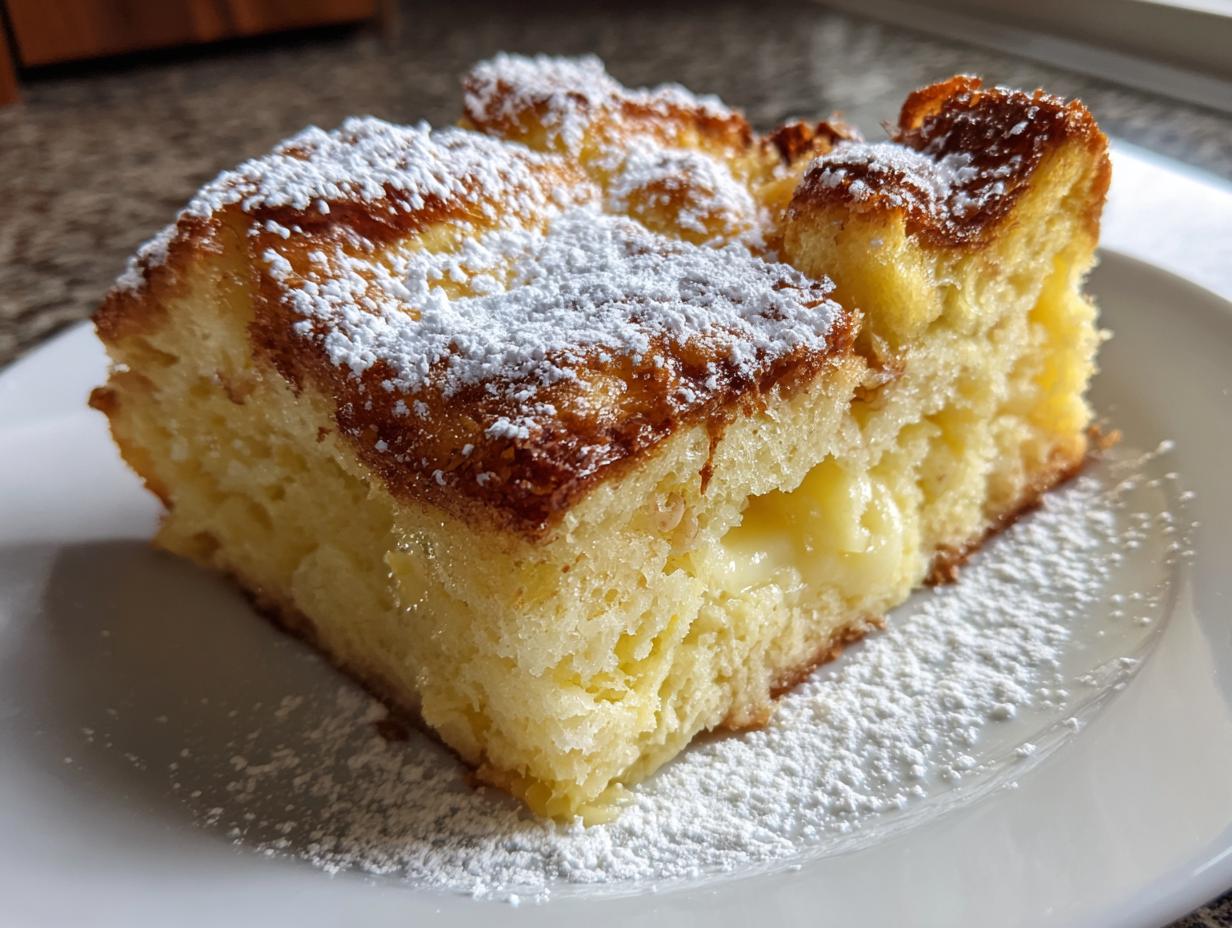
Look, I get it. Mornings can feel like a pressure cooker—kids need to get out the door, you’re trying to catch up on emails, or maybe you just want five extra minutes of quiet before the chaos starts. Flipping individual slices of French toast? That’s a job for someone with endless time. That’s why, here at YumDrizzle, we ditch the stress and focus on flavor that works for real life. This **baked french toast** casserole recipe is my answer for those demanding mornings. It’s the ultimate make-ahead solution, designed to give you comfort food that’s impressive when served but requires next to zero effort when it’s time to eat. Trust me, this recipe is built for a **stress free breakfast**.
- Why This Overnight Baked French Toast Casserole Changes Brunch
- Gathering Ingredients for Your Baked French Toast Bake
- Step-by-Step Instructions for Overnight French Toast Bake
- Tips for the Best Baked French Toast Casserole
- Serving Suggestions for Your Brunch Casserole Ideas
- Storage and Reheating Your Leftover Baked French Toast
- Frequently Asked Questions About Baked French Toast
- Nutritional Estimates for This Easy French Toast Recipe
- Share Your Weekend Breakfast Ideas
Why This Overnight Baked French Toast Casserole Changes Brunch
When I was touring years ago, serving up something impressive before hitting the venue was a nightmare. Everyone wanted comfort food, but nobody had time for individual cooking. That’s what made me obsess over this **make ahead breakfast casserole** approach. The magic here isn’t just that you prep it early—though that’s huge—it’s how the entire loaf transforms.
We’re not just talking bread dipped quickly; we’re talking full saturation. This technique is the foundation for the **fluffy french toast casserole** you see trending everywhere. It results in a dish that’s perfectly set, wonderfully rich, and never dry. It’s the kind of meal that makes guests think you spent all Saturday evening cooking when really, you spent ten minutes the night before. If you’re looking for genuinely great easy breakfast recipes, this is it.
The Secret to Custard Soaked French Toast Texture
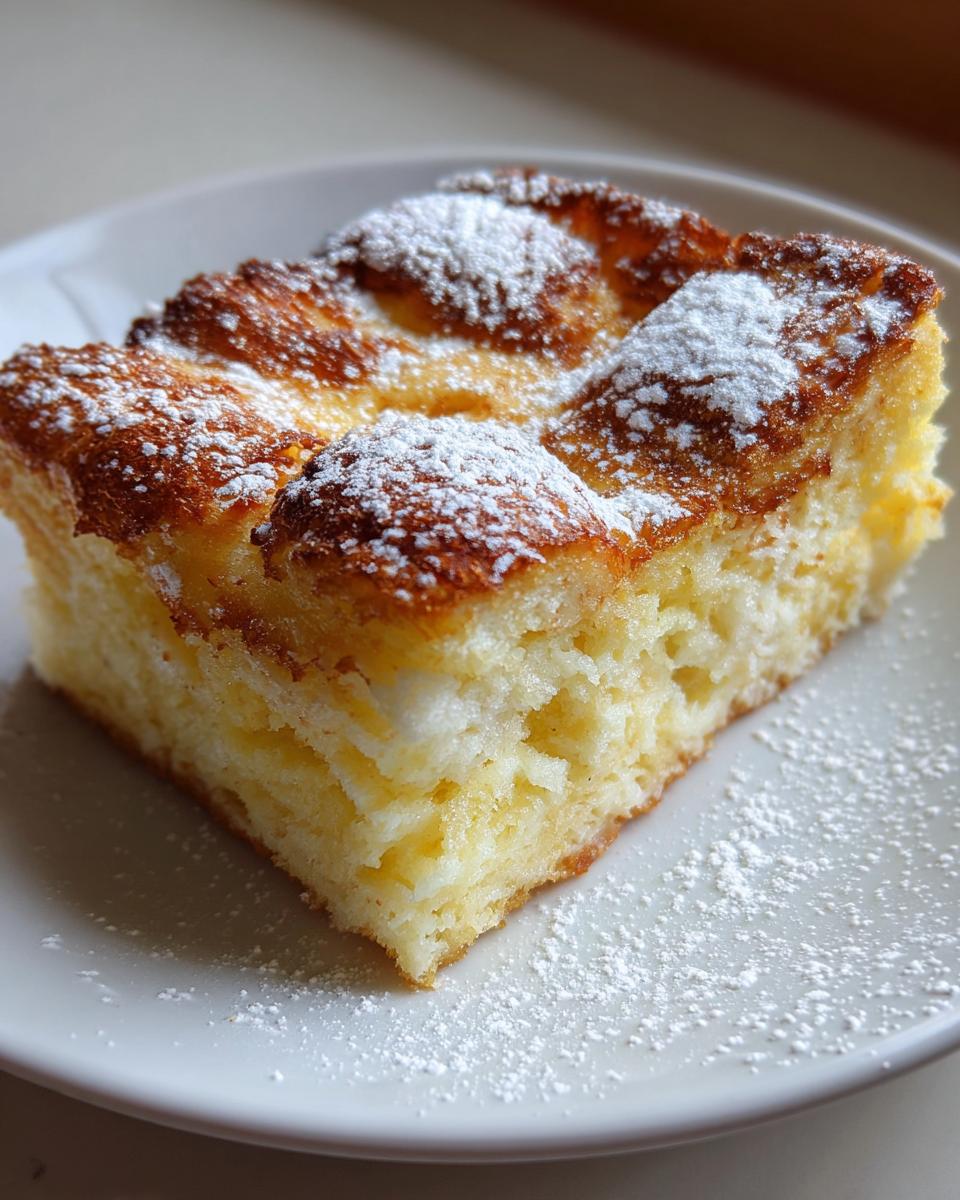
When you fry French toast, you get a beautiful crust quickly, but the middle can sometimes remain a bit doughy, right? With this bake, we flip the script. Soaking overnight allows that liquid gold—the egg and cream custard seasoned with cinnamon and vanilla—to fully penetrate every air pocket in that brioche. It’s a slow diffusion process.
Instead of just coating the outside, the bread essentially becomes one giant, pillowy slice. Baking it slowly sets that liquid into the most incredible **custard soaked french toast** texture. It puffs up beautifully in the oven, giving you that ideal, tender-crumbed result that you just can’t rush on a stovetop.
Gathering Ingredients for Your Baked French Toast Bake
Okay, let’s get down to business. If you want this to turn out perfectly—golden, rich, and amazing—you can’t skimp on the starting line. Having everything ready is half the battle, especially since this is an overnight prep job. Don’t just grab any bread off the shelf; we need something sturdy that can handle a serious soaking. Trust me on this, the bread choice is non-negotiable for the texture we’re chasing here!
When you shop, look for these specific components. I’ve laid out exactly what you need for an 8-serving batch:
- 1 (13-ounce) loaf brioche or challah bread, cut into 1-inch cubes
- 6 large eggs (make sure they’re large!)
- 1 1/2 cups whole milk
- 1/2 cup heavy cream (this adds the necessary richness)
- 1/2 cup granulated sugar
- 2 teaspoons vanilla extract
- 1 teaspoon ground cinnamon
- 1/4 teaspoon ground nutmeg
- 1/4 teaspoon salt
- For Topping: 1/2 cup chopped pecans (if you like them), 2 tablespoons melted butter, and plenty of powdered sugar for the end.
Bread Choice Matters for Perfect Baked French Toast
I keep pushing brioche or challah, and I need you to listen up on this one detail: standard, flimsy sandwich bread will utterly collapse under this much custard. It gets too mushy, and you lose that wonderful structure you need for a fluffy bake.
Brioche and challah have the fat content and density necessary to absorb the liquid without dissolving into sadness. They hold their shape, allowing them to puff up beautifully during baking. This is the secret sauce to a successful **brioche french toast casserole**—it’s the backbone of your entire **baked french toast**!
If you want to dive deep into bread making later, you should check out my guide on getting soft, fluffy sandwich bread, but for this casserole, stick to the good stuff!
Step-by-Step Instructions for Overnight French Toast Bake
Alright, Jaxson Riley coming at you with the game plan—this is where the magic happens, but remember, half of this happens while you’re sleeping! Don’t panic if you’re reading this at 10 PM because that’s exactly when we want to start. First things first: grease up that 9×13 pan. I use a touch of spray oil or butter, just to make sure everything releases cleanly later. Lay your bread cubes in there evenly. You want them snug, not packed like bricks, because the custard needs room to swim around.
Next, we mix up the custard! Grab a big bowl—the bigger the bowl, the less you splatter, which I learned the hard way early on the road. Whisk those 6 eggs, milk, heavy cream, sugar, vanilla, cinnamon, nutmeg, and salt until they look totally unified. No streaks of egg white allowed! Now, pour that incredible-smelling mix right over your bread pieces. Then comes the most therapeutic part: gently press the bread down with a spatula or your clean hands. You need every cube to get acquainted with that custard. Cover it tight with plastic wrap, and move it to the fridge for at least four hours, but really aim for overnight. This resting period is what separates a good bake from an amazing one.
Assembling the Custard Soaked French Toast
When morning comes, pull that dish out of the fridge about 30 minutes before you want to bake. This takes the chill off slightly, which helps it cook more evenly. The goal here is complete saturation. If you see dry spots on top, gently pour any leftover custard from the edges or corners over those thirsty spots. Seriously press it down again—you want that rich **custard soaked french toast** experience from crust to center. If you skip pressing, you end up with dry bread towers next to soggy bits, and nobody wants that structural confusion in their **baked french toast**.
Baking Your Cinnamon French Toast Bake
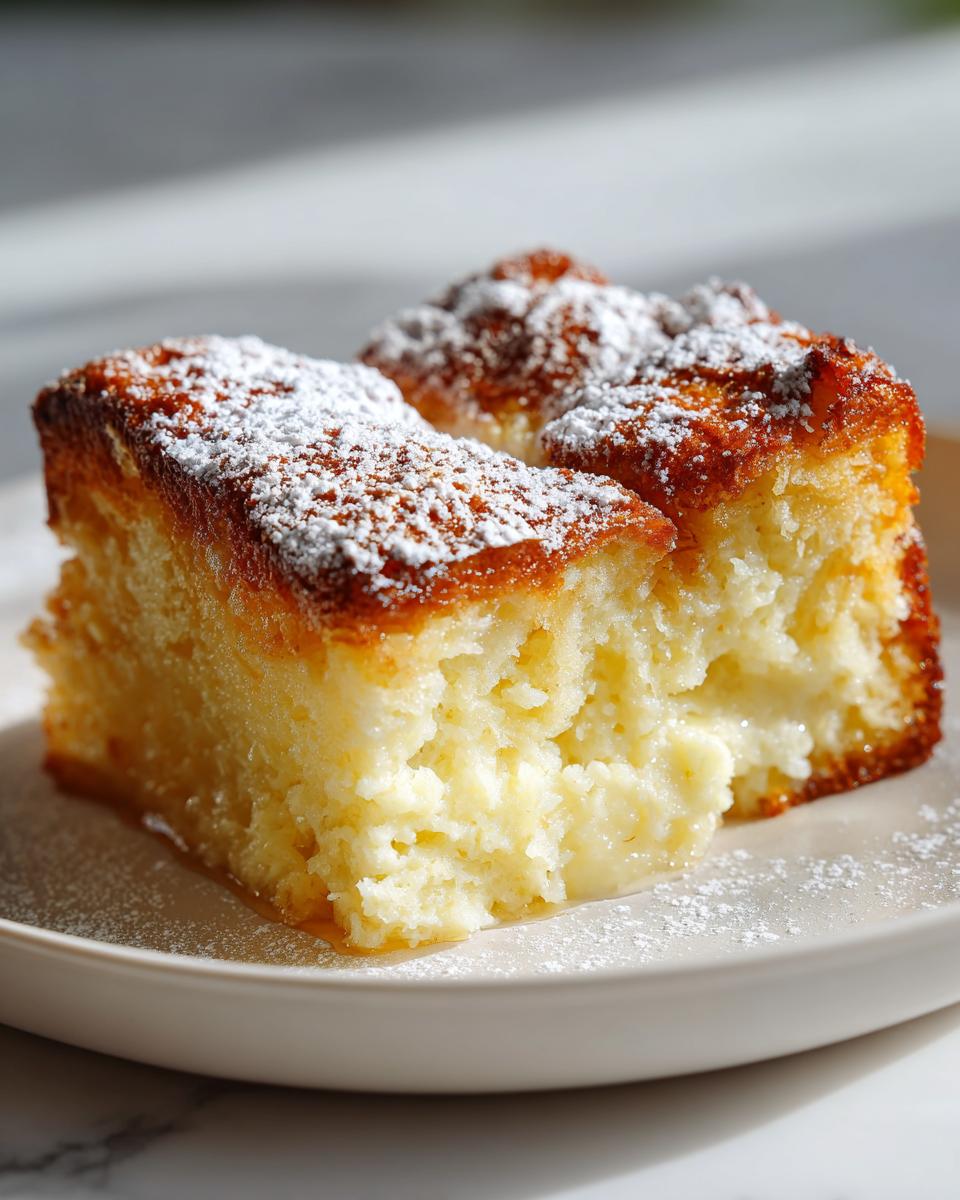
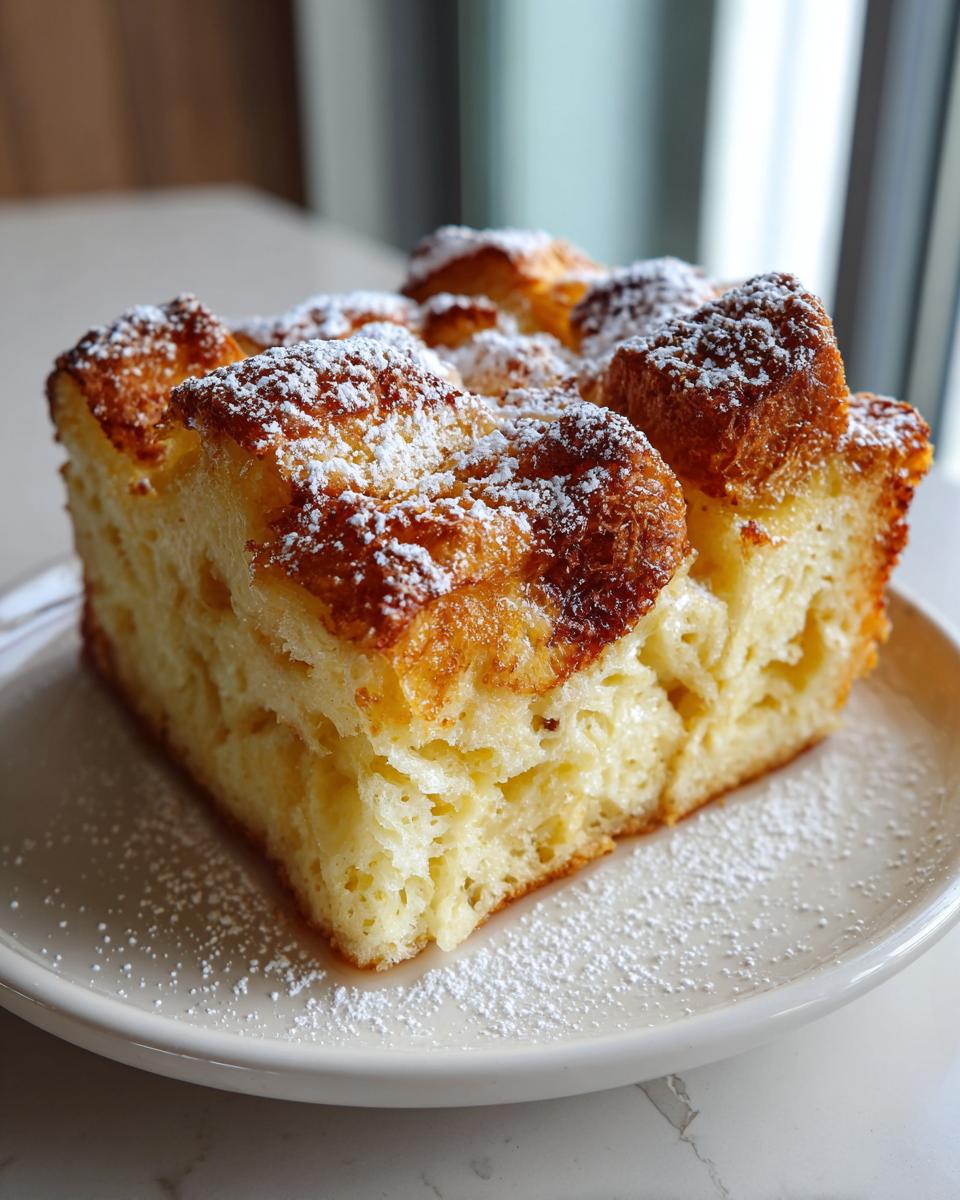
Preheat your oven to 350 degrees F. While it heats up, prepare your topping. I just melt two tablespoons of butter and toss it with my chopped pecans (if using). Sprinkle that buttery sprinkle right over the top evenly. Pop the casserole in the oven and let it do its thing for 40 to 50 minutes. You’ll know it’s time when the top is golden brown, it has puffed up nicely, and if you poke the center with a knife, it comes out mostly clean, meaning the custard is set. This totally feeds a crowd and is the perfect centerpiece for any **holiday breakfast bake**.
You can go check out the guide on making overnight cinnamon rolls next for another make-ahead superstar!
Tips for the Best Baked French Toast Casserole
Now that you know the steps, let’s talk about turning this from ‘good’ to ‘the one people ask for every year.’ Since this is such a fantastic **french toast bake for a crowd**, presentation and texture consistency are everything. A pro tip I picked up from chefs on the road? Don’t use bread that’s too fresh! If your brioche loaf is soft straight from the bag, it will inevitably soak up too much custard and turn gummy. Ideally, you want bread that’s a day or two old—slightly stale pieces absorb that liquid perfectly without disintegrating.
Also, don’t be afraid to play with the top layer! The recipe calls for pecans and butter, which is great, but if you want that bakery-style crunch, you absolutely have to try a simple streusel. Just mix flour, brown sugar, and some cold butter together until it looks crumbly. It bakes up amazing. Speaking of amazing, everyone asked about my amazing sticky buns, and honestly, the technique is similar to getting that sticky topping right, you can check out my guide for homemade cinnamon buns to see how to build a great topping.
If you want the absolute easiest brunch possible, you need reliable make-ahead strategies. Read more about why this is such a great option over at this site!
Making Your Baked French Toast Ahead of Time
This is where the “overnight” part comes in handy and seals the deal for a **make ahead breakfast casserole**. You can totally assemble the whole thing—the bread layered in the dish, the custard poured over, everything covered tight—and stick it in the fridge. I’ve gone up to 24 hours ahead of time with zero issues. Any longer than that, and the bread starts to break down a little too much, and you risk mushiness.
The crucial thing is this: always pull it out of the fridge about 30 minutes to an hour before it hits the oven. If you bake it stone cold, the center won’t heat through properly by the time the edges are perfectly golden. Give it that little warm-up period, and you’ll get the best result!
Serving Suggestions for Your Brunch Casserole Ideas
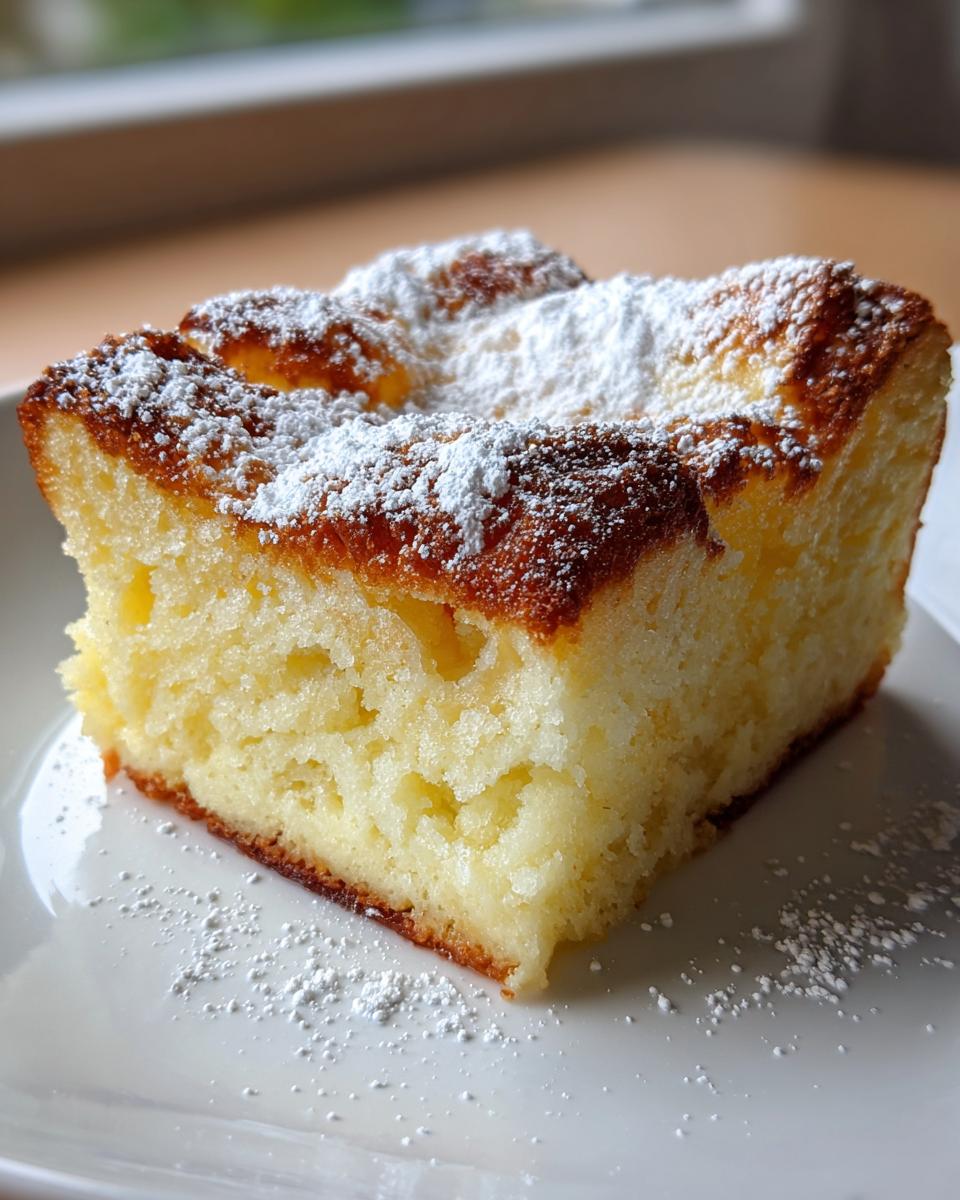
So, the **baked french toast casserole** is out of the oven, it’s puffed up beautifully, you’ve dusted it with powdered sugar, and the smell alone is making everyone gather in the kitchen. Now what? Even the most perfect main dish needs supporting players to turn it into a full-blown brunch spread! This needs sides that are light enough not to weigh everyone down, but still delicious.
For toppings, don’t stop at just syrup! A side of fresh fruit is essential. Think mixed berries—strawberries, blueberries, maybe some raspberries. Their bright tartness cuts right through the richness of that brioche custard. If you’re feeling fancy, a dollop of Greek yogurt mixed with a tiny bit of honey makes a great, creamy side condiment instead of just heavy whipped cream.
If you’re hosting a crowd, you know you need something refreshing to sip on. Skip the standard coffee line for a minute and grab the ingredients for something punchy. I love serving this casserole alongside a big pitcher of something bright. You can find my favorite recipe for a crowd-pleasing punch that always gets rave reviews—it’s fruity, bubbly, and nobody ever leaves a party asking for water!
This whole setup ensures everyone feels satisfied without feeling sluggish. It truly takes a classic breakfast staple and elevates it into a fantastic **brunch casserole idea** without any last-minute frying!
Storage and Reheating Your Leftover Baked French Toast
Okay, so sometimes even a huge **baked french toast casserole** can yield leftovers, especially when you make it for a crowd. Don’t panic! This stuff is even good cold—I’ve definitely eaten slices straight from the fridge hiding in the kitchen—but if you want that fresh-baked magic back, you need the right technique.
First, storage. Once it’s completely cooled down, cover the dish tightly, maybe with that same plastic wrap you used before, or switch to foil if you plan on reheating it in the oven later. It keeps beautifully in the refrigerator for about three good days. Any longer than that, and the custard starts getting a tiny bit funky, and honestly, it deserves better than that.
Reheating Methods for Texture Perfection
This is where you choose your fate: speed or texture. If you’re in a huge rush, the microwave is your friend, but be warned—it can make the edges a little chewy if you overheat it. I usually just zap a single slice for about 30 to 45 seconds. It warms up fast and gets soft, hitting that **fluffy french toast casserole** texture reasonably well, but it loses that golden crust.
For maintaining that crisp edge and fluffy inside, the oven is always the winner. Set your oven low, around 325 degrees F. Place the leftover slices on a baking sheet that’s maybe lined with parchment—just to keep things clean. Warm them for about 10 to 15 minutes. This low and slow method allows the heat to seep into the center without turning the top into charcoal. It crisps up just enough to remind you how good it was the first day. You want that warmth, not a blast of heat, to bring this **overnight french toast bake** back to life!
Frequently Asked Questions About Baked French Toast
I know when you’re trying a new dish, especially one that depends so much on resting time, you get a few burning questions popping up. Don’t sweat it! We’ve figured out all the kinks so you can focus on enjoying your unbelievably easy **baked french toast**. Here are the things I hear most often when readers try this out for the first time.
Can I use regular sandwich bread instead of brioche for this baked french toast?
You absolutely *can*, but I have to give you the real talk from Jaxson Riley: the texture won’t be nearly as impressive. Regular sandwich bread is usually low-density, meaning it’s going to absorb liquid way too fast and turn into a dense, almost pudding-like layer rather than holding that light, fluffy shape. If you must substitute, use something a bit sturdier like Texas Toast or a good quality Pullman loaf, and maybe reduce the soaking time by an hour or so. But for the ultimate **custard soaked french toast**, stick to that rich brioche or challah!
How do I prevent my overnight french toast bake from getting soggy?
This is the number one fear when planning a **make ahead breakfast casserole**, and it comes down to two things: the bread and the ratio. First, make sure you cut your bread into one-inch cubes. If the pieces are too small, they dissolve. Second, when you pour the custard over the bread the night before, don’t walk away! You need to gently press the bread down several times over a 15-minute period. This helps push the liquid into the center of the chunks, rather than just pooling on top. If you notice excess liquid sitting on the top layer after 30 minutes of soaking, carefully spoon some of that extra liquid out before covering it. That subtle adjustment keeps you firmly in the **fluffy french toast casserole** zone and away from sogginess.
If you want to see what one of the top chefs had to say about timing and bread handling, check out this fascinating piece on Ina Garten’s methods over at The Kitchn.
Speaking of flavor customizations, if you want to try a lighter, fruitier drink version of your morning coffee or tea, I have an amazing guide on how to make easy strawberry milk that pairs perfectly with this rich casserole for the ultimate **weekend breakfast ideas**!
Nutritional Estimates for This Easy French Toast Recipe
I always tell people that a great homemade meal shouldn’t be a black box, so transparency matters! Since we’re using rich ingredients like whole milk, heavy cream, and brioche bread, this **baked french toast** is certainly satisfying. But I want you to have a general idea of what you’re diving into when you serve up this amazing **brunch casserole**.
Keep in mind that these numbers are just estimates based on the ingredients I listed—if you swap in skim milk or use leaner bread, those numbers will definitely shift! This breakdown gives you a snapshot for one generous serving size.
- Serving Size: 1 slice (Note: Based on dividing the recipe into 8 servings)
- Calories: 380
- Fat: 18g (including about 9g saturated fat)
- Protein: 14g
- Carbohydrates: 45g
- Sugar: 22g
- Fiber: 2g
- Cholesterol: 180mg
- Sodium: 350mg
See? Decent protein from the eggs and milk, which is great for keeping everyone full until lunchtime. Nothing tastes better than knowing your comfort food is also packed with goodness. Enjoy every bite of this **easy french toast recipe**!
Share Your Weekend Breakfast Ideas
That’s it—you’ve got a spectacular, stress-free **baked french toast** casserole ready to go! I truly believe that once you see how easy it is to feed a crowd this well with minimal morning effort, you’ll never go back to flipping individual slices again. This is what YumDrizzle is all about: making good food accessible, fun, and memorable for *your* real life.
Now, I want to hear from you! Were you making this for a big family Sunday breakfast, or did you sneak a slice while everyone else was still sleeping? Did you use blueberries, or maybe try brown sugar on top instead of pecans? Don’t keep those culinary masterpieces to yourself!
Take a picture, drop it on social media, and tag me—I always love seeing your takes on my recipes. More importantly, leave a rating and a comment right here on the page. Telling me what worked (or if you tweaked something major!) builds up our whole community. If you want to know more about the philosophy that drives our kitchen experiments, flip over to the About Page. Happy cooking, friends!
PrintEasy Overnight Baked French Toast Casserole

Make your weekend mornings simple with this make-ahead French toast casserole. You prepare the custard-soaked bread the night before, and bake it fresh in the morning for a stress-free, crowd-pleasing brunch.
- Prep Time: 15 min
- Cook Time: 45 min
- Total Time: 60 min
- Yield: 8 servings 1x
- Category: Brunch
- Method: Baking
- Cuisine: American
- Diet: Vegetarian
Ingredients
- 1 (13-ounce) loaf brioche or challah bread, cut into 1-inch cubes
- 6 large eggs
- 1 1/2 cups whole milk
- 1/2 cup heavy cream
- 1/2 cup granulated sugar
- 2 teaspoons vanilla extract
- 1 teaspoon ground cinnamon
- 1/4 teaspoon ground nutmeg
- 1/4 teaspoon salt
- 1/2 cup chopped pecans (optional, for topping)
- 2 tablespoons melted butter (for topping)
- Powdered sugar, for dusting
- Maple syrup, for serving
Instructions
- Grease a 9×13 inch baking dish. Arrange the bread cubes in an even layer in the prepared dish.
- In a large bowl, whisk together the eggs, milk, heavy cream, granulated sugar, vanilla extract, cinnamon, nutmeg, and salt until fully combined. This creates your rich custard.
- Pour the custard mixture evenly over the bread cubes, pressing down gently to help the bread soak up the liquid.
- Cover the dish tightly with plastic wrap. Refrigerate for at least 4 hours, or preferably overnight. This soaking time is key for a fluffy texture.
- When ready to bake, preheat your oven to 350 degrees F. Remove the plastic wrap from the dish.
- In a small bowl, mix the chopped pecans and melted butter. Sprinkle this mixture evenly over the top of the casserole.
- Bake for 40 to 50 minutes, or until the casserole is puffed, golden brown, and the center is set (no liquid remains when poked).
- Let the baked french toast rest for 10 minutes before slicing. Dust generously with powdered sugar and serve warm with maple syrup.
Notes
- Using brioche or challah bread gives this casserole the best texture because of its richness.
- For a holiday breakfast, you can assemble this casserole up to 24 hours ahead of time.
- If you want a crispier top, you can add a simple streusel topping made from flour, brown sugar, and butter.
Nutrition
- Serving Size: 1 slice
- Calories: 380
- Sugar: 22
- Sodium: 350
- Fat: 18
- Saturated Fat: 9
- Unsaturated Fat: 9
- Trans Fat: 0
- Carbohydrates: 45
- Fiber: 2
- Protein: 14
- Cholesterol: 180