

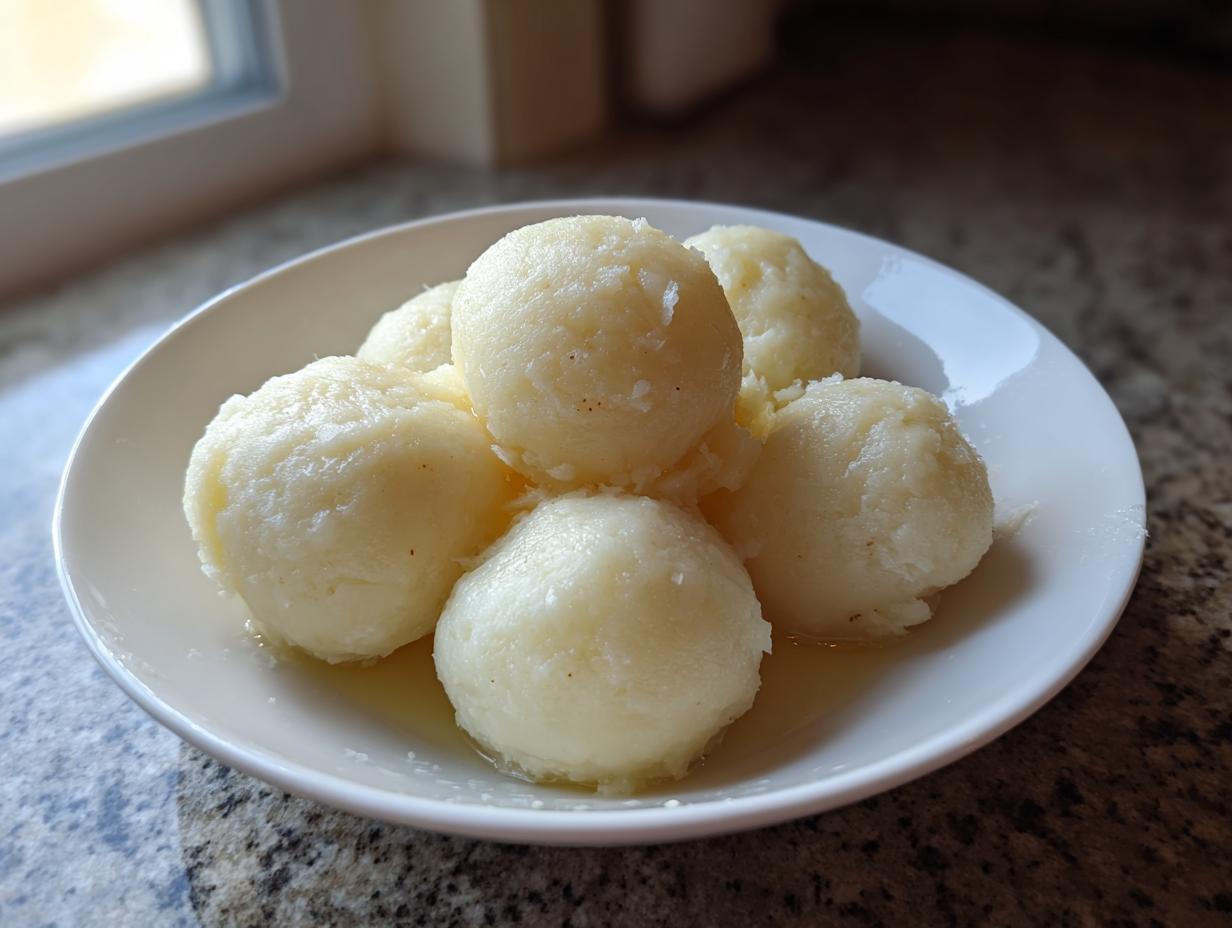
If your soul is craving that deep, warming hug only a perfect starch can provide, you’ve landed in the right place! Forget everything you think you know about heavy, dense side dishes. We are talking about clouds. We are talking about pillows. I’m sharing my go-to, tried-and-true method for making the softest, fluffiest potato dumplings you will ever eat—the traditional German Kartoffelkloesse.
When I started cooking for the band on the road, I needed recipes that felt like home but were foolproof under pressure. This recipe is that anchor for me. I trust it completely because the difference between a mediocre dumpling and a spectacular one that soaks up every drop of gravy is all in the technique, not fancy ingredients. Get ready to master authentic comfort food!
- Why This German Potato Dumplings Recipe Delivers Old World Charm
- Essential Ingredients for Traditional Potato Dumplings
- How to Prepare Easy Potato Dumplings Step-by-Step
- Tips for Perfect German Potato Dumplings Every Time
- Serving Suggestions for Buttery Potato Dumplings
- Storage and Reheating Instructions for Potato Dumplings
- FAQ About Making Potato Dumplings
- Estimated Nutritional Data for Potato Dumplings
- Share Your Homemade Potato Dumplings Experience
Why This German Potato Dumplings Recipe Delivers Old World Charm
Listen, there are side dishes, and then there are dishes that define a meal. These German potato dumplings, the true Kartoffelkloesse, fall squarely in that second category. They aren’t just filler; they are sponges engineered, lovingly, to carry rich gravy right to your mouth. That’s the old-world charm we’re after—hearty satisfaction!
If you’ve ever had a dense, heavy dumpling that felt like a rock in your stomach, I promise you this traditional recipe fixes that. When done right, they are impossibly light.
- They have that perfect structural integrity to hold up to sauces.
- They are absolutely the best potato side dishes for Sunday roasts.
- They taste like every cozy memory you’ve ever had.
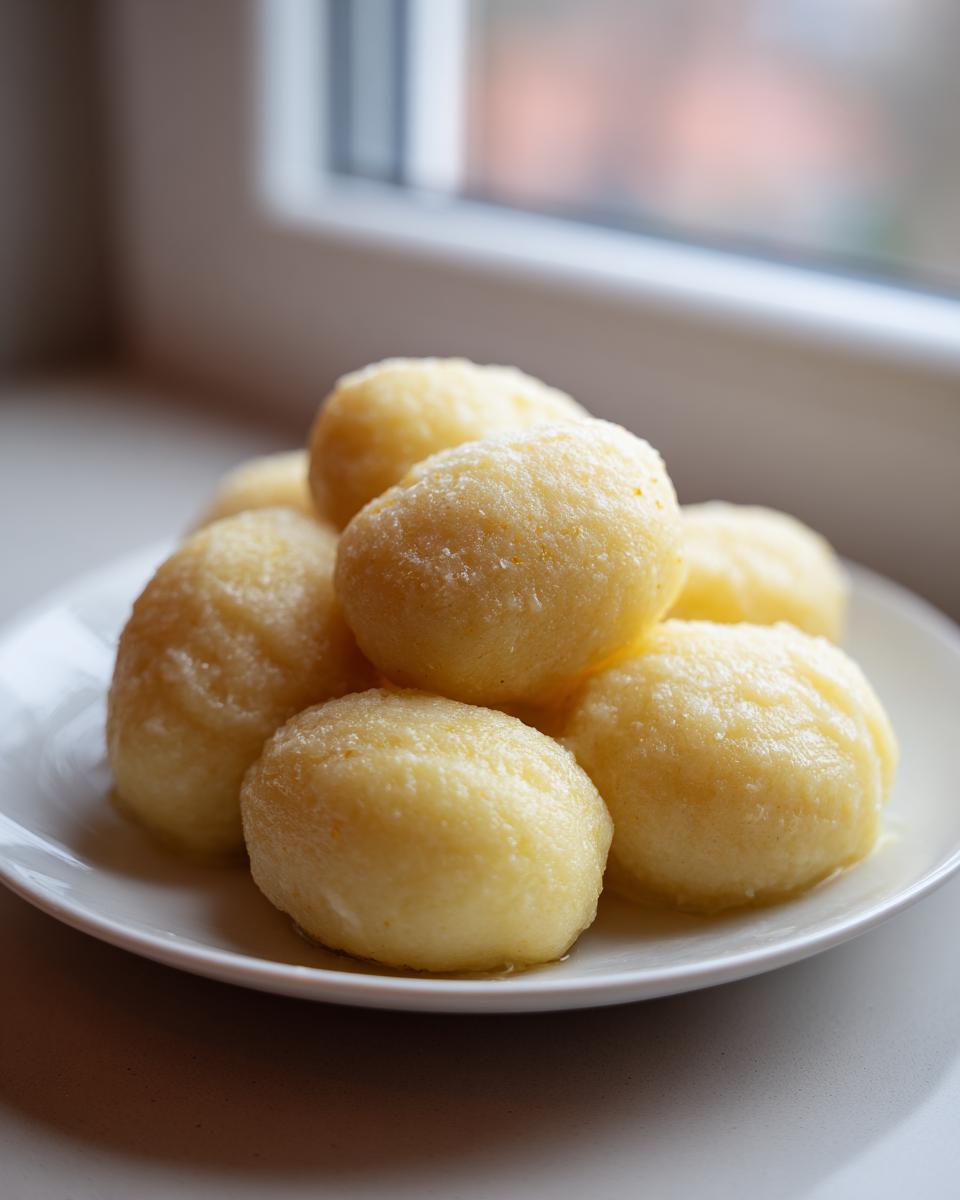
Achieving Fluffy Dumplings Homemade Texture
The texture is everything here, seriously. You can’t cheat the fluff factor. My biggest secret—and I swear by this—is the potato type. You absolutely must use starchy potatoes, like Russets. Waxy potatoes give you glue, and we don’t want that!
You need to rice those potatoes while they are still warm. Don’t let them cool completely, or they get pasty and tough when you try to mash them smooth. If you happen to have cooled, fully cooked potatoes from last night’s dinner, that actually works even better for consistency, but if you’re starting fresh, rice them immediately after draining! Every single lump must vanish to get that beautiful, light effect.
Essential Ingredients for Traditional Potato Dumplings
The beauty of these authentic potato dumplings recipe is that the ingredient list is wonderfully short! You likely have most of this stuff waiting in your pantry right now. We’re keeping it simple because the potatoes are the star here, not some fancy addition.
Here is exactly what you need for four servings of hearty potato goodness:
- 2 lbs starchy potatoes (like Russet), peeled
- 1 cup all-purpose flour
- 1 large egg
- 1 teaspoon salt
- 1/4 teaspoon nutmeg (optional, but highly recommended!)
- Water for boiling
Ingredient Notes and Substitutions for Potato Dumplings
Choosing the right potato is non-negotiable if you want genuinely fluffy German potato dumplings. You absolutely need high-starch potatoes—waxy types just don’t break down right and leave you with gummy blobs. Don’t try to substitute Russets with Yukon Golds if you can help it!
Now, about the binder: the flour and one egg are essential for holding our Kloesse together. If you were making the Polish version, like simple Kopytka recipe, you’d typically use a lower ratio of flour or skip the egg entirely to get an even softer result, but for these traditional German ones, stick close to this! The texture relies on that careful balance.
How to Prepare Easy Potato Dumplings Step-by-Step
Okay, this is where the magic happens, but you have to trust me on the timing and gentleness here. If you rush the cooling or start over-mixing, your light, fluffy dream turns into a solid mass—and we worked too hard gathering those perfect Russets for that!
First, boil your peeled potatoes until they are completely fork-tender, then drain off every last drop of water. You want them dry! Let them sit for just a quick minute—you want them warm, not piping hot enough to cook the egg instantly. We aren’t making mashed potatoes here; we are building structure for the easy potato dumplings.
Ricing Potatoes and Mixing the Kartoffelkloesse Dough
Seriously, get that potato ricer out. This is the best way to get the smooth base you need for fluffy dumplings homemade. Push those warm potatoes through right into your mixing bowl. Now, add your flour, salt, nutmeg, and that single egg. Here is the most important rule: mix it with your hands just until everything comes together. I mean it! Stop as soon as you don’t see streaks of dry flour anymore. Overmixing develops the gluten, and boom, you’ve got tough, chewy Kloesse instead of the tender ones we want.
Forming and Cooking the Potato Dumplings
Lightly flour your counter and your hands. Take a manageable piece of dough—don’t work the whole batch at once. Roll it gently between your palms into smooth balls or ovals, about two inches wide. Handle them like little expensive treasures; no smashing!
Get a big pot of water seasoned well with salt and bring it up to a very gentle simmer. Don’t let it boil hard! A rapid boil will shred your beautiful dumplings. Carefully slip them into the water. They sink at first, but after about 15 to 20 minutes, they float right up, and that’s your sign they are ready. Once they float, let them hang out right there on the surface for a few minutes to ensure the center is cooked through. Then, scoop them out gently.
Tips for Perfect German Potato Dumplings Every Time
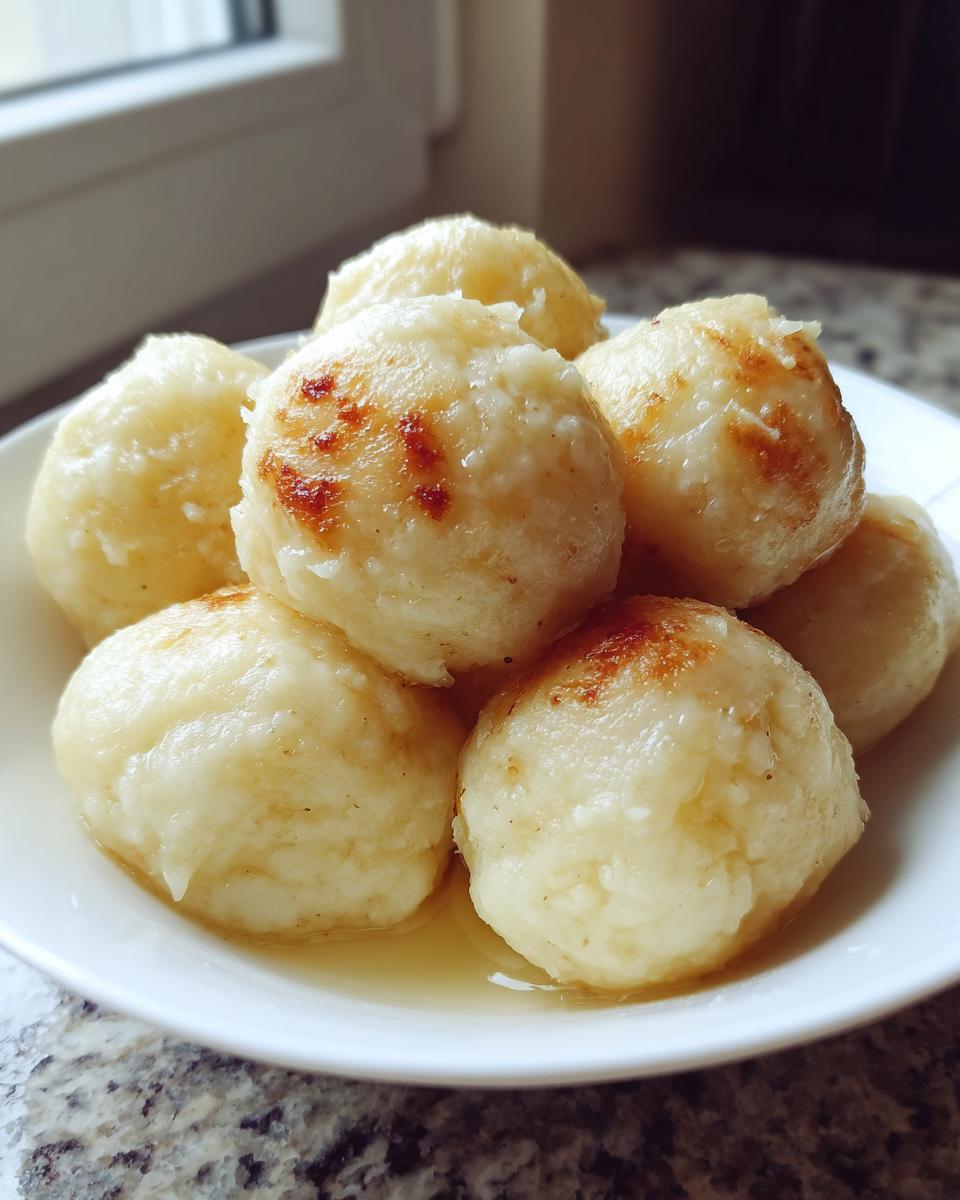
You’ve cooked them perfectly, but now what? The moment they come out of that hot water, they want to stick together like glue! My trick for preventing this disaster is simple: toss them immediately into a bowl with a good knob of melted butter. Gently swirl them around until they are all coated. It’s magic, I tell you!
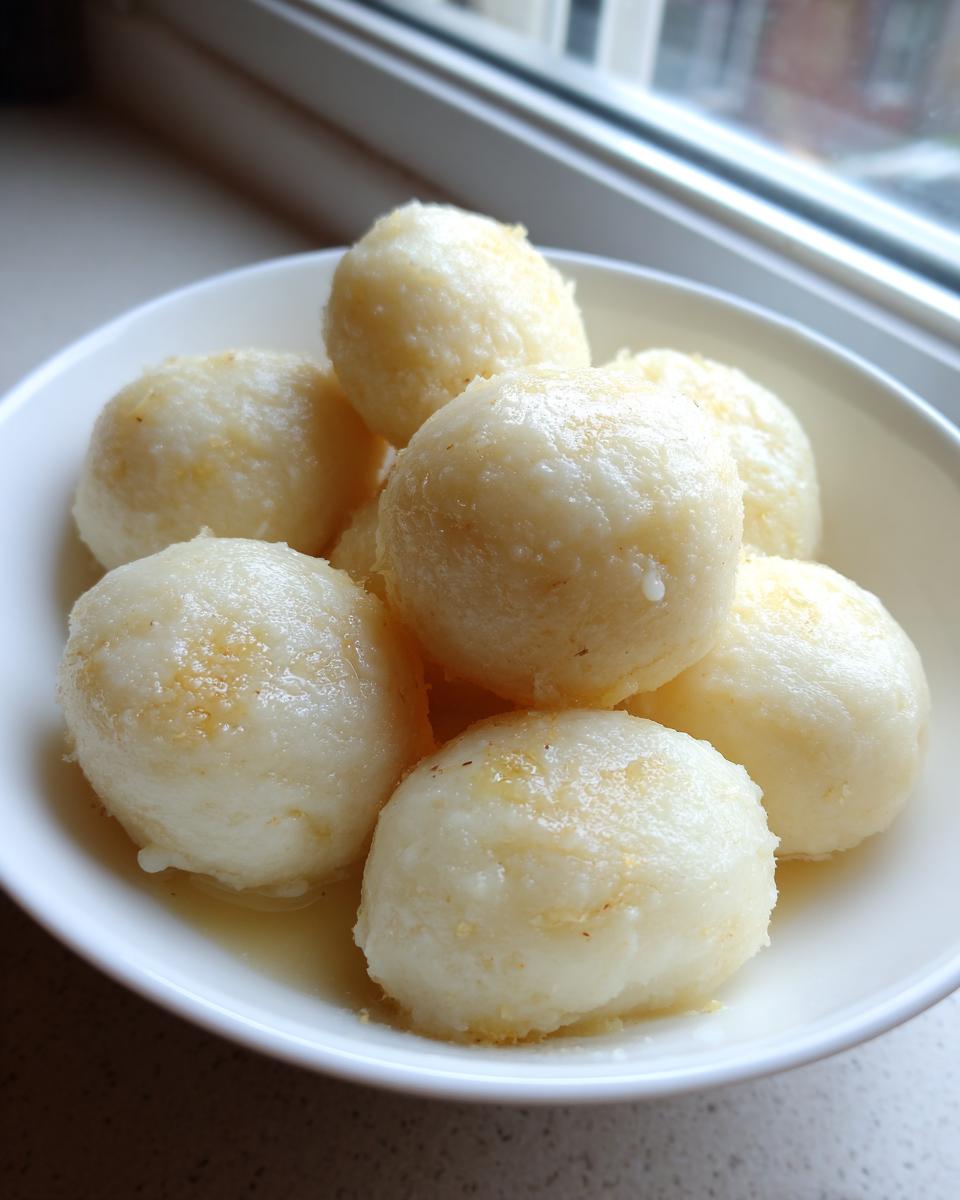
This buttery coating doesn’t just stop sticking; it adds a layer of incredible flavor that elevates these from a plain side to one of the best potato side dishes you’ll ever serve alongside just about anything.
Also, don’t forget that optional pinch of nutmeg in the dough—it really brings out the earthiness of the potatoes and gives that classic, comforting background note they’re famous for. If you want to dive deeper into perfecting these, check out some other tried-and-true methods, like those great tips found over at Potato Dumplings.
Serving Suggestions for Buttery Potato Dumplings
So you have these perfect, buttery pillows of comfort. Now, what are we putting on them? Honestly, you could just eat them plain, but that feels like a waste of their powerful sauce-soaking ability!
The absolute classic way to enjoy these potato dumplings is smothered in a rich, savory gravy. Think beef roast juices, mushroom sauce, or any hearty pan drippings. They truly shine as the ultimate dumplings with gravy vehicle because they absorb the flavor instead of just sitting under it.
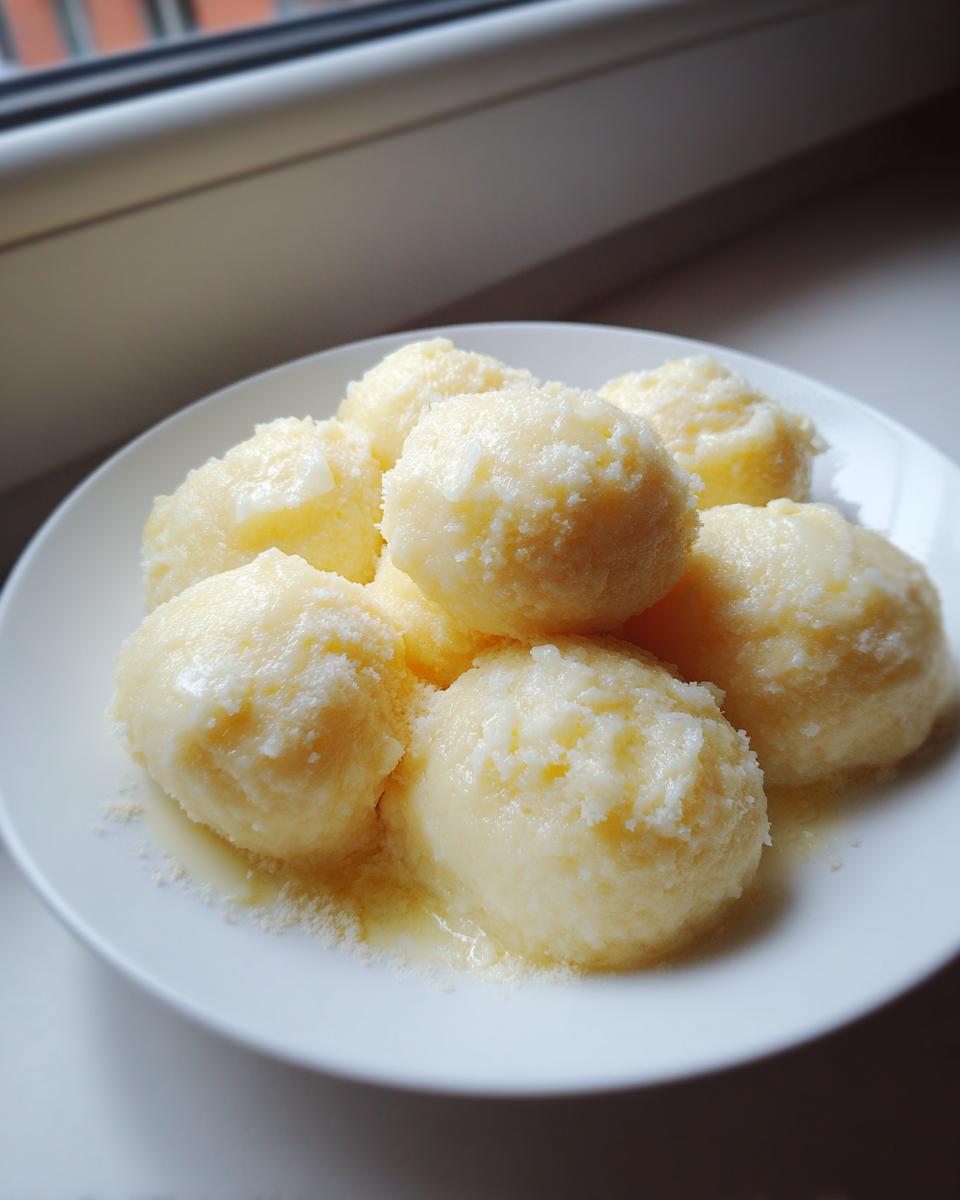
If you aren’t making a big roast, serve them simply! A drizzle of browned butter mixed with fresh parsley or chives is amazing. They are also totally traditional alongside things like Sauerbraten or pork roast. For something a little different but still comforting, these work beautifully next to a creamy chicken dish, like something you’d find from German potato dumplings experts.
Storage and Reheating Instructions for Potato Dumplings
It’s a rare day that we ever have leftovers of these potato dumplings because everyone eats too much (fair enough!), but if you manage to save some, don’t just throw them back in the fridge for sad tomorrow-lunch. We need to treat them right so they keep that essential soft texture.
For short-term storage, pop them into an airtight container once they are completely cool and toss them in the refrigerator. They’ll be good for about three, maybe four days max. If you try to keep them longer than that, they start to get a little dense, even stored properly.
Now, freezing is an option if you made a huge batch, and it works surprisingly well! Just make sure you toss them in butter first—that coating is your insurance policy. Once coated, place them in a single layer on a sheet pan to freeze solid—probably an hour or so. Once they are hard little bullets, you can transfer them to a zip-top bag. They last for about a month in the freezer. Easy peasy!
Reheating them requires a little finesse, but don’t worry, it’s simple. Forget the microwave; microwaves hate starches and turn them rubbery fast. The best method, hands down, is a gentle boil in lightly salted water. Just drop the frozen or thawed dumplings in, wait until they float again (about 5-7 minutes if they were frozen), and scoop them straight out. If you froze them, give them an extra minute after floating. This quick warm-up brings back that wonderful, fluffy texture perfectly. If you’re using thawed ones, a quick sauté in butter works beautifully too, giving them a nice little crisp edge!
FAQ About Making Potato Dumplings
I know you’ve got questions! When you’re tackling something with such wonderful old-world charm, you want to make sure you get it right. These are the ones I get asked the most when people tackle their first batch of homemade potato dumplings. Don’t worry if your first batch isn’t perfect; that’s often how we learn the best lessons in the kitchen!
Can I use raw grated potatoes in this potato dumplings recipe?
If you stick strictly to this specific traditional German Kartoffelkloesse recipe, no, you shouldn’t. Remember, we boiled and then riced our potatoes while warm? That’s key for that tender texture. Some recipes, especially certain Eastern European variations, *do* use raw, finely grated potatoes mixed with cooked ones, but for this style—the one that soaks up gravy like nothing else—we stick to cooked potatoes for the base. Raw potato can make things gummy if not handled perfectly.
What if my dough is too sticky to handle?
Oops! If your dough is too wet or sticky right after you mix it in the bowl, it means your potatoes might have been a bit watery, or maybe you added a slightly bigger egg than average. Don’t panic! Just add a tablespoon of flour at a time, gently mixing it barely until the dough doesn’t stick aggressively to your hands anymore. If you’re worried about making them tough, try adding flour a tiny bit at a time while reserving a little of the remaining flour to see if you need it all.
What is the difference between German potato dumplings and Polish potato dumplings (Kopytka)?
That’s a great distinction to ask about! Both are fantastic ways to use potatoes, but the texture goal is different. These German ones (Kloesse) are usually rounder, slightly bigger, and rely on that cooked potato base mixed with flour and egg for that dense-yet-fluffy result perfect for gravy. Polish potato dumplings, like Kopytka recipe variations, are often cut into diamond shapes and tend to have an even softer, chewier texture since they often use even less binder or no egg at all. Think of our Kloesse as the structured side dish, and Kopytka as being closer to a soft gnocchi!
Estimated Nutritional Data for Potato Dumplings
Now, I know some of you are keeping track, and while I truly believe that comfort food shouldn’t be counted, it’s smart to have a general idea of what you’re eating, especially when serving this as a hearty potato recipe alongside a big meal.
Based on the standard ingredients listed for our German potato dumplings recipe—using regular flour and omitting any extra butter or heavy gravy for the calculation—here is the breakdown per serving (which the recipe estimates as two dumplings):
- Calories: Around 210
- Fat: About 3 grams
- Carbohydrates: That’s the big one, coming in around 42 grams
- Protein: Roughly 5 grams
- Cholesterol: Around 35 mg
Please remember this is just an estimate! If you, like me, toss those finished dumplings in a massive amount of browned butter and herbs, or if you’re serving these specific traditional potato dumplings with a rich sauce—well, those numbers are going up considerably! These figures reflect the dumpling itself before it meets the gravy. Cook with joy, not fear!
Share Your Homemade Potato Dumplings Experience
Whew! We made it through the process of creating the ultimate comfort food side dish. Now comes my favorite part: hearing about your successes!
I put all my experience into making sure this potato dumplings recipe gives you restaurant-quality flavor right at your own kitchen table. If you tried these German potato dumplings, please, please let me know how they turned out for you. Did you manage to get that wonderfully light, fluffy dumpling texture we were aiming for?
Drop a comment below and tell me what you served them with! Were they swimming in gravy, simply tossed in butter and herbs, or did you try them alongside a roast? I love seeing how everyone enjoys these fantastic, simple dumplings.
If you took a picture of your perfectly round, tender Kloesse, share it! We are building a community of cooks here dedicated to that heartfelt, old-world cooking, and your feedback helps others feel confident trying this recipe next time. Can’t wait to read your thoughts!
PrintClassic German Potato Dumplings (Kartoffelkloesse)
Make soft, fluffy German potato dumplings using this straightforward recipe. These traditional Kloesse are perfect for soaking up gravy or serving alongside roasted meats.
- Prep Time: 25 min
- Cook Time: 20 min
- Total Time: 45 min
- Yield: 4 servings 1x
- Category: Side Dish
- Method: Boiling
- Cuisine: German
- Diet: Vegetarian
Ingredients
- 2 lbs starchy potatoes (like Russet), peeled
- 1 cup all-purpose flour
- 1 large egg
- 1 teaspoon salt
- 1/4 teaspoon nutmeg (optional)
- Water for boiling
Instructions
- Boil the peeled potatoes in salted water until tender. Drain them completely and let them cool slightly.
- While the potatoes are still warm, pass them through a potato ricer or mash them very thoroughly until completely smooth. You must eliminate all lumps for fluffy dumplings.
- In a large bowl, combine the mashed potatoes, flour, egg, salt, and nutmeg. Mix gently with your hands until just combined. Do not overmix, or the dumplings will become tough.
- Lightly flour your hands. Divide the dough into portions and roll each portion into a smooth, oval or round dumpling shape, about 2 inches in diameter.
- Bring a large pot of salted water to a gentle simmer (do not boil rapidly). Carefully drop the dumplings into the simmering water.
- Cook the dumplings for about 15 to 20 minutes. They are done when they float to the surface and remain floating for a few minutes.
- Remove the cooked dumplings carefully with a slotted spoon. Toss them gently in melted butter to prevent sticking. Serve immediately with gravy or your preferred sauce.
Notes
- For the softest texture, use cooked and cooled potatoes from the day before, if possible.
- If you prefer a slightly different texture, try the Polish Kopytka method by using mostly mashed potatoes and less binder.
- These dumplings pair well with beef roast, pork roast, or mushroom gravy.
Nutrition
- Serving Size: 2 dumplings
- Calories: 210
- Sugar: 0.5
- Sodium: 250
- Fat: 3
- Saturated Fat: 1.5
- Unsaturated Fat: 1.5
- Trans Fat: 0
- Carbohydrates: 42
- Fiber: 3
- Protein: 5
- Cholesterol: 35