

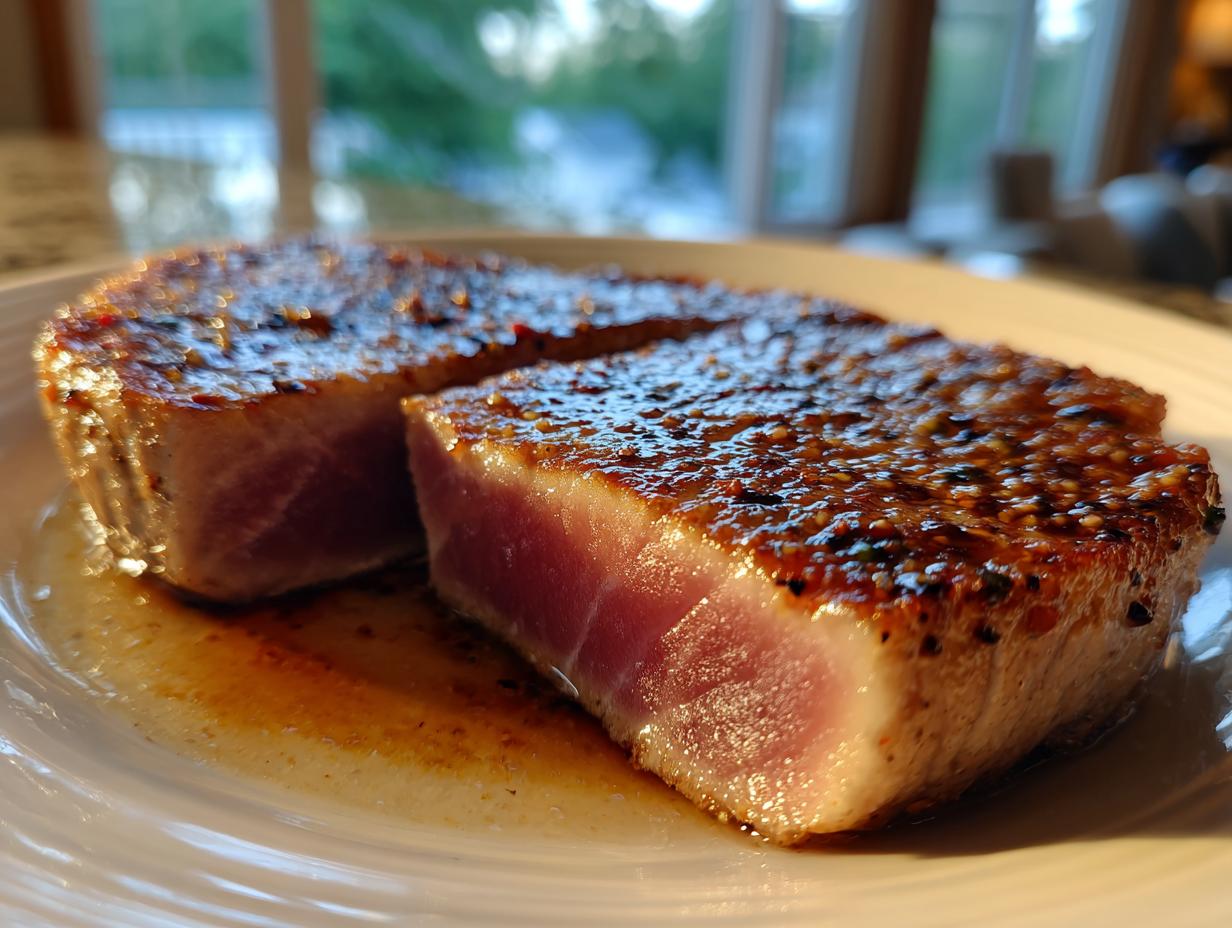
If you think amazing, restaurant-quality tuna steaks are tough to pull off at home, I’m here to tell you you’re wrong! I spent years bouncing around the US, sampling flavors from roadside joints and incredible food trucks, and I learned that dynamite taste doesn’t need complicated equipment. It just needs flavor dumped in at the right time. Forget those intimidating prep lists—this is seriously the fastest, most flavorful MARINADE FOR TUNA STEAK you’ll ever whip up. It’s all about using what you have, combining soy and citrus to pack a punch in less than thirty minutes. Trust me, this resourcefulness is the secret handshake to great food. You can check out more about where these simple ideas come from on our About page!
- Why This Soy-Citrus MARINADE FOR TUNA STEAK Delivers Flavor Fast
- Ingredients for the Ultimate Ahi Tuna Marinade
- Step-by-Step Instructions for Preparing Your MARINADE FOR TUNA STEAK
- Cooking Methods: Achieving the Perfect Grilled Tuna Steak Recipe
- Tips for Success with Any Citrus Herb Tuna Marinade
- Storage and Reheating Instructions
- Frequently Asked Questions About MARINADE FOR TUNA STEAK
- Estimated Nutritional Data for This MARINADE FOR TUNA STEAK
- Share Your Experience with This Flavorful Tuna Steak Marinade
Why This Soy-Citrus MARINADE FOR TUNA STEAK Delivers Flavor Fast
When you’re hungry and want that amazing, seared-on-the-outside, nearly raw-on-the-inside tuna steak, you don’t have time to mess around. This soy-citrus blend is truly an easy fish marinade, and the best part? You only need about 20 to 30 minutes for it to work its magic. It’s designed for speed, pulling those huge flavors in quickly so you can get to the hot pan.
Here’s why this quick soak is the perfect plan:
- It uses basic pantry items—no hunting down specialty herbs!
- The acid (lime juice) is mild enough not to overwhelm the tuna.
- It gets that gorgeous, savory base layer ready for a hard sear.
The Perfect Time Limit for Your Tuna Steak Marinade
This is the biggest secret with tuna, especially ahi: You cannot let it sit too long! Because we use citrus juice, it starts to chemically change the delicate proteins basically cooking the fish on the counter. We call this ‘denaturing,’ and it makes the steak turn mushy and chalky fast. Seriously, keep it under 45 minutes, and honestly, 20 minutes is plenty of time for this salty, bright marinade to soak in just enough.
Ingredients for the Ultimate Ahi Tuna Marinade
Okay, let’s talk about what actually goes into this miracle soak. I always keep these things on hand. You don’t need anything fancy here, which is what I love about it—it’s pure, delicious pantry power! When you grab your ingredients, make sure that lime is fresh; bottled just doesn’t give you the zing we need here. We use low-sodium soy sauce so we can control the saltiness since that’s coming from the soy, not just added salt.
To make this truly shine, you’ll need:
A quarter cup of low-sodium soy sauce to build that amazing salty, umami base. Then, about two tablespoons of incredibly fresh lime juice—don’t skip the fresh squeezing! We throw in one tablespoon of nice olive oil to help the flavors cling to the steak. For balance, a tablespoon of brown sugar helps cut the acid and caramelizes beautifully when you sear. Underneath all that, we use two cloves of garlic, minced up super fine, and one teaspoon of fresh ginger, grated right off the root. Finish it off with just a half teaspoon of fresh black pepper. Whisk it until that sugar disappears!
Ingredient Spotlight: Soy and Ginger in Your Soy Ginger Tuna Steak
The soy sauce is our bedrock; it gives the tuna that deep, savory umami punch we crave in a restaurant-quality steak. It’s salty, yes, but complex! Then we bring in the ginger. You need that sharp, spicy brightness from the fresh ginger to counteract the richness of the oil and the saltiness of the soy. It’s the combination that makes people say, “Wow, what did you put in that?” It wakes up the whole dish!
Step-by-Step Instructions for Preparing Your MARINADE FOR TUNA STEAK
Okay, this is where the magic happens, and I promise it couldn’t be easier. You’re going to whisk everything together in a bowl first. The goal here isn’t just mixing; you need to agitate it until that little bit of brown sugar totally dissolves into the liquid. If you see grains floating, keep whisking! Once it’s smooth, we introduce our beautiful tuna steaks. Give those steaks a good bath in the marinade, making sure both sides are totally covered. I usually use a zip-top bag because it seals tight and lets me massage the marinade around without making a mess.
Now, listen closely to the clock: twenty minutes minimum, but absolutely stop at forty-five minutes. Seriously, don’t get distracted and let them swim for an hour! Once time is up, pull the steaks out, discard all that leftover liquid—we never reuse it—and grab some paper towels. That last part is non-negotiable for getting a great crust when you cook them.
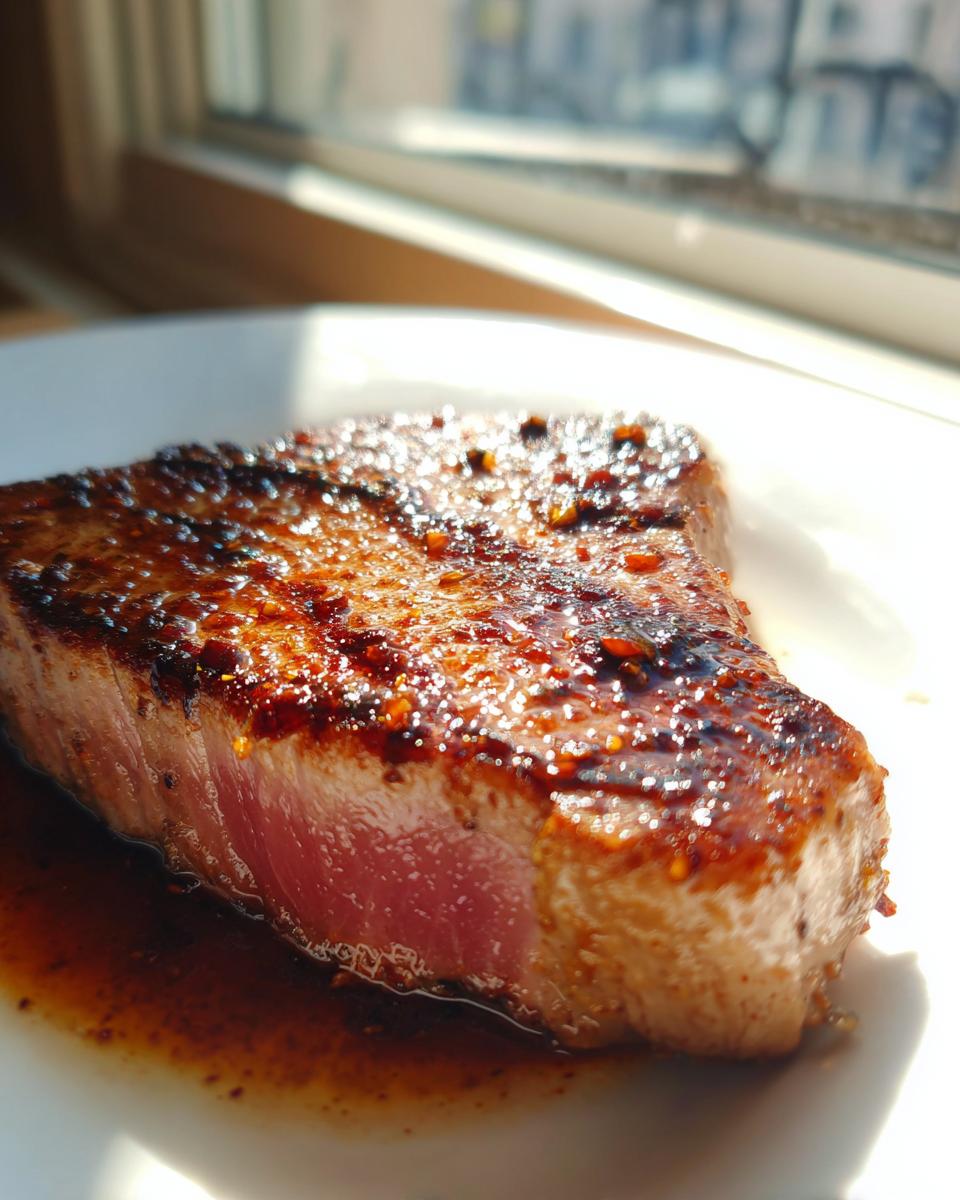
Preparing for the Sear: Patting Dry After the 30 Minute Seafood Marinade
This step is the shortcut to making your home-cooked tuna look like it just came off a fancy restaurant grill—it’s the crust! Liquid is the enemy of high heat. If the surface of the tuna is wet from the marinade, the pan’s energy goes into steaming the steak instead of searing it. I mean it: pat those beauties completely dry with paper towels. You want a bone-dry surface so you get that dark, flavorful, almost smoky crust we all love.
Cooking Methods: Achieving the Perfect Grilled Tuna Steak Recipe
A perfect sear is the goal, right? Learning this was huge when I was on the road. You learn quickly that the best flavor comes from slamming that fish onto serious heat. Whether you’re using the backyard grill or your best cast-iron skillet, the pan has to be ripping hot—I mean smoking hot—before the fish even touches it. And remember that rule about patting it dry? This high heat ensures you get that beautiful brown crust, not just warm fish.
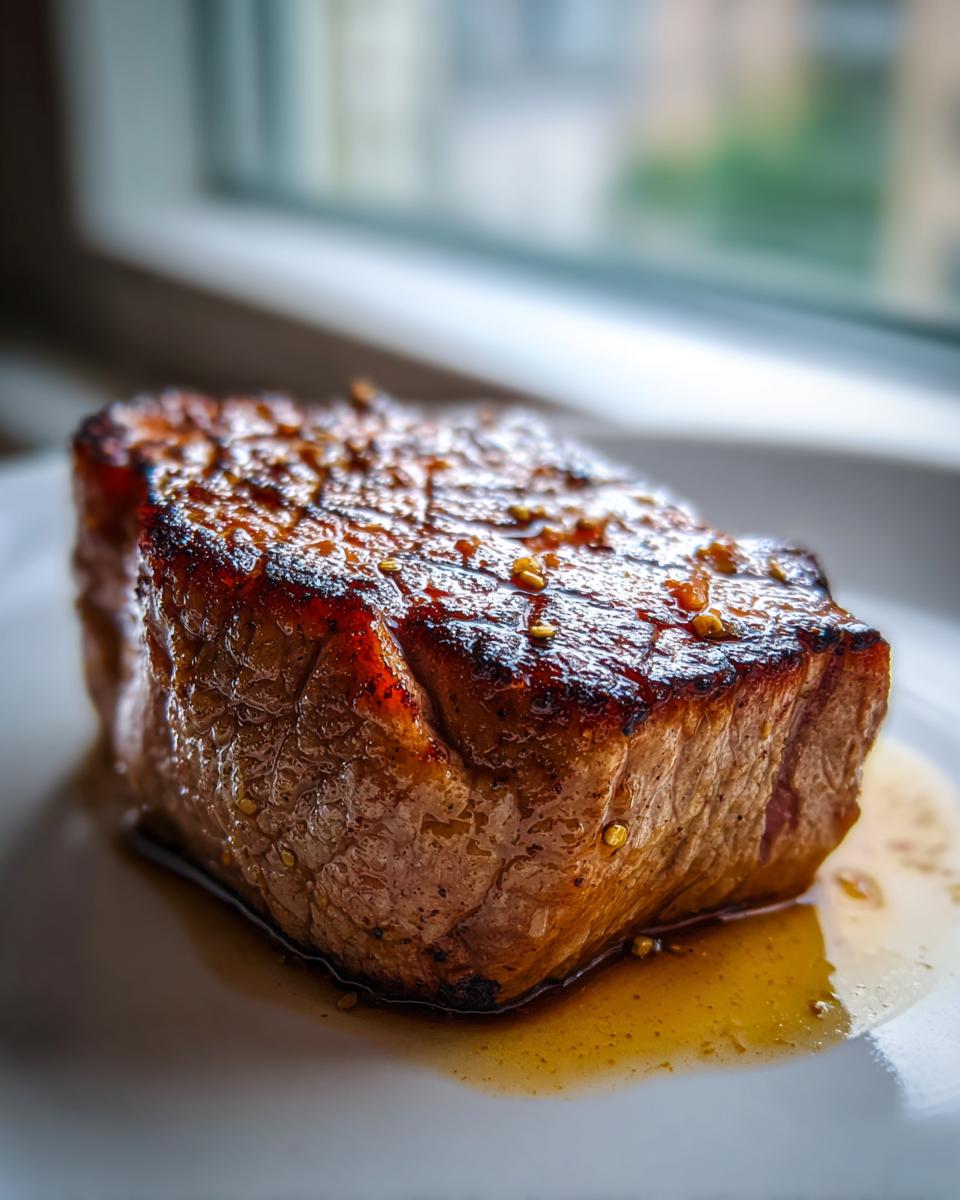
For that iconic medium-rare result—which is truly the only way to eat beautiful ahi—you’re looking at about two to three minutes per side, depending on how thick your steaks are. Don’t poke it! Let the heat do its job. Just flip it once and take it off. That little bit of residual heat will finish the center perfectly as it rests for just a minute or two.
Internal Temperature Guide for Your MARINADE FOR TUNA STEAK
If you’re using a thermometer, don’t panic about getting the steak cooked through; that ruins tuna faster than anything. For rare, shoot for about 110°F inside. Medium-rare, which I always push for, is closer to 120°F. If you get up past 130°F, you’ve moved into medium territory, and honestly, it starts to feel a little dry for my liking. Use the high heat to cook the outside fast, leaving that buttery, cool center intact. That’s the payoff for using such a great MARINADE FOR TUNA STEAK!
Tips for Success with Any Citrus Herb Tuna Marinade
Even though this recipe is super straightforward, I have a few tricks I picked up over the years that really elevate the final plate. You want that simple citrus herb tuna marinade to taste like you hired a professional chef, right? It all comes down to respecting the ingredients and understanding what happens right after the heat is switched off.
First thing: please, please use fresh citrus if you can. I know that bottled lime juice is convenient, but its flavor is flat—it tastes cooked already. When you squeeze a fresh lime right into your marinade, that essential oil fragrance explodes, and that’s the brightness you need to cut through the rich tuna. It’s worth the extra minute of squeezing, trust me.
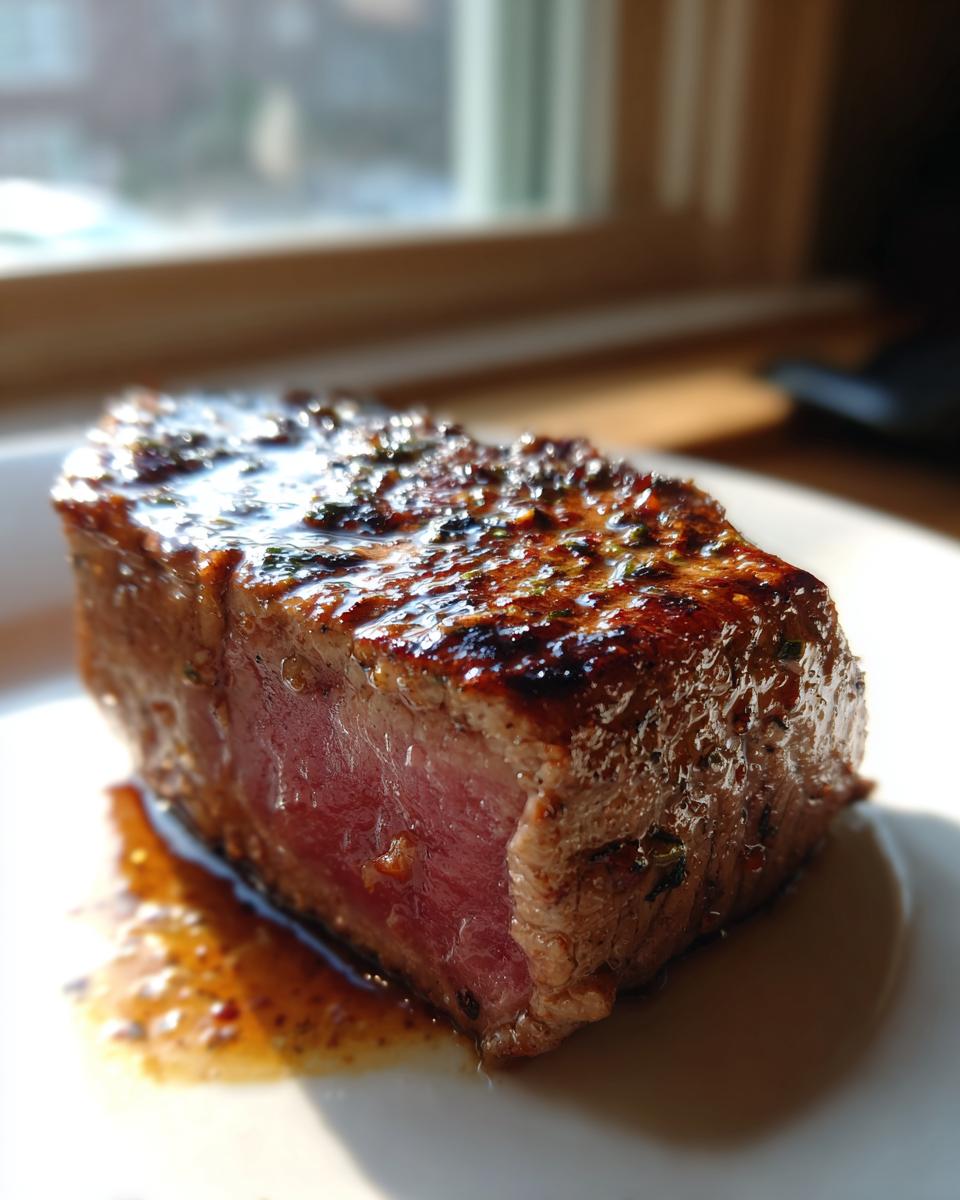
Next up is managing the post-cook state. Tuna steaks have muscle structure that tightens up aggressively when they hit the plate if you don’t let them rest. After you pull those gorgeous, crusted steaks off the grill or out of the skillet, place them on a clean cutting board or a warm plate—not a cold one!—and let them sit there for about two minutes. This small rest is crucial. It lets the internal temperature equalize slightly and keeps the juices locked in instead of pouring all that deliciousness onto your plate the second you slice into it.
Another thing that sometimes trips people up is the soy sauce choice. I always specify low-sodium, but if you only have regular soy sauce, just cut back the amount by about a quarter. You don’t want to accidentally over-salt the fish; the soy flavor needs to complement the tuna, not overpower it. This blend is designed to be bright and savory, not just salty, so feel free to trust your nose and taste the marinade before you commit the fish to it!
Storage and Reheating Instructions
Here’s a hard truth about marinated tuna: This is a dinner that really hates leftovers, and I mean it! Tuna is at its absolute peak right after that sear, so if you can help it, only make as much as you know you’ll eat. If you must marinate ahead of time, stick strictly to that 45-minute window maximum, and keep it tightly sealed in the fridge.
Now, if you end up with cooked leftovers—maybe you grilled a piece too thick—they won’t taste nearly as great, but you can save them. Store the cooked tuna in an airtight container in the fridge for no more than a day. When you reheat it, use the microwave for just a few seconds to take the chill off, or better yet, eat it cold on a salad! Frying leftover tuna steak usually just turns it into leather, so please avoid putting it back on high heat.
Frequently Asked Questions About MARINADE FOR TUNA STEAK
I’ve gathered up some of the questions I get all the time about this recipe. If you’re new to searing fish, these quick answers should save you some trouble!
Can I use this easy fish marinade on salmon?
That’s a great question! You absolutely *can* use this marinade on salmon, but you need to adjust your timing because salmon is much fattier and thicker than tuna. Since salmon can handle more acid without turning mushy, you can let it sit for up to an hour, maybe even a little longer. For salmon, I usually grill it a little longer, too—aiming for that tender, flaky center instead of the rare center we want for ahi.
What if I don’t have fresh ginger for the ahi tuna marinade?
If you’re short on fresh ginger, don’t sweat it! While I strongly prefer the real root because it gives you that powerful ‘zing,’ you can substitute it in a pinch. Use about a quarter teaspoon of ground, dried ginger for that one teaspoon of fresh. It won’t have the same bright, sharp flavor, but it still delivers that warm, background spice that helps make this ahi tuna marinade taste so good. Just make sure you whisk it really well so it doesn’t clump up!
Why can’t I just throw the tuna in the fridge for an hour marinade time?
Oh, trust me, I’ve tried to cheat this rule before, and it always ends in sadness! Tuna is so lean and delicate that the acidity from the fresh lime juice acts aggressively on its proteins. If you leave it for an hour, the outside gets that opaque, chalky look, and the texture just falls apart when you try to sear it. For this specific tuna steak marinade, short and fast is the only way to keep it buttery inside!
Estimated Nutritional Data for This MARINADE FOR TUNA STEAK
Now, I know some of you fine cooks out there are tracking macros or just curious about what’s in the amazing sauce we just made—and that’s totally fair! Remember, I learned how to cook smart while traveling, and knowing your totals helps keep things balanced. These numbers are estimates based on the recipe components I use, factoring in the sauce covering one standard four-ounce tuna steak serving, so treat them as a helpful guideline rather than gospel.
We kept this relatively light because tuna is such a naturally lean protein. Here’s the quick rundown for one serving:
- Calories: About 150 per steak (after marinating)
- Protein: A healthy 15 grams kicking in!
- Total Fat: Around 8 grams, and most of that healthy stuff from the olive oil.
- Carbohydrates: Only about 6 grams.
- Sugar: Just 5 grams coming mostly from that little bit of brown sugar we used for balance.
- Sodium: About 450mg; that’s why I always stress the low-sodium soy sauce!
A quick note here: these figures change totally depending on the brand of soy sauce you grab off the shelf or exactly how much oil you let stick to the fish when you blot it dry. If you use a thicker, higher-fat olive oil, your numbers will shift slightly. But generally, this is a fantastic, low-fat, high-protein method to get great flavor without a pile of unnecessary extras!
Share Your Experience with This Flavorful Tuna Steak Marinade
Now that you’ve got the fastest, brightest **tuna steak marinade** recipe in your back pocket, I really, truly want to hear how it went! Cooking should always be fun, and sharing our wins (and maybe the occasional hilarious cooking disaster—we all have them!) is the best part of being in the kitchen together.
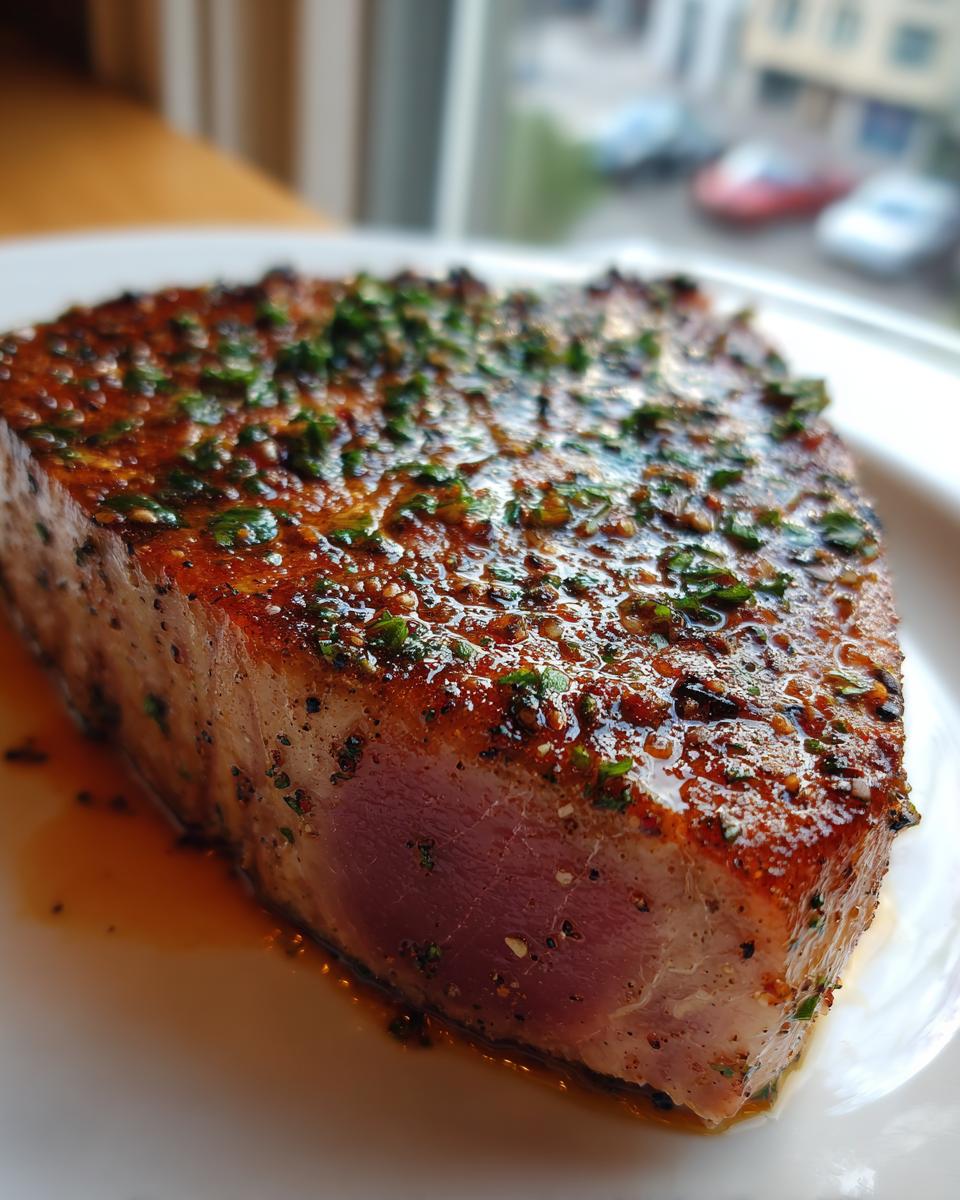
Did you take this out on the grill, or did you stick to the high heat of the cast iron skillet? Tell me in the comments below! I love seeing photos of your beautiful, perfectly crusted tuna steaks. Did you stick to my 2-minute sear on each side, or did you go for just a quick kiss on the heat?
If this **soy ginger tuna steak** recipe saved your dinner game this week, please leave it a rating—five stars mean the world to me! Your feedback not only helps other cooks feel confident trying it out but also helps me figure out what kinds of simple, high-flavor recipes you want to see next. Tag me if you share pictures online! I can’t wait to celebrate your perfect medium-rare sear!
PrintQuick Soy-Citrus Marinade for Tuna Steaks
A fast, flavorful marinade perfect for keeping tuna steaks tender before grilling or searing.
- Prep Time: 10 min
- Cook Time: 6 min
- Total Time: 16 min
- Yield: 4 servings 1x
- Category: Dinner
- Method: Marinating
- Cuisine: American
- Diet: Low Fat
Ingredients
- 1/4 cup low-sodium soy sauce
- 2 tablespoons fresh lime juice
- 1 tablespoon olive oil
- 1 tablespoon brown sugar
- 2 cloves garlic, minced
- 1 teaspoon grated fresh ginger
- 1/2 teaspoon black pepper
Instructions
- In a medium bowl, whisk together the soy sauce, lime juice, olive oil, brown sugar, minced garlic, grated ginger, and black pepper until the sugar dissolves.
- Place your tuna steaks in a resealable plastic bag or a shallow dish.
- Pour the marinade over the tuna steaks, making sure both sides are coated.
- Seal the bag or cover the dish.
- Refrigerate for at least 20 minutes but no more than 45 minutes. Do not over-marinate.
- Remove the tuna from the marinade and pat dry before cooking. Discard the remaining marinade.
Notes
- For grilling, aim for medium-rare by searing 2-3 minutes per side over high heat.
- For a cast-iron sear, heat the pan until it is very hot before adding the oiled steaks.
- This marinade works well for ahi tuna steak.
Nutrition
- Serving Size: 1 steak (after marinating)
- Calories: 150
- Sugar: 5
- Sodium: 450
- Fat: 8
- Saturated Fat: 1
- Unsaturated Fat: 7
- Trans Fat: 0
- Carbohydrates: 6
- Fiber: 0
- Protein: 15
- Cholesterol: 40