

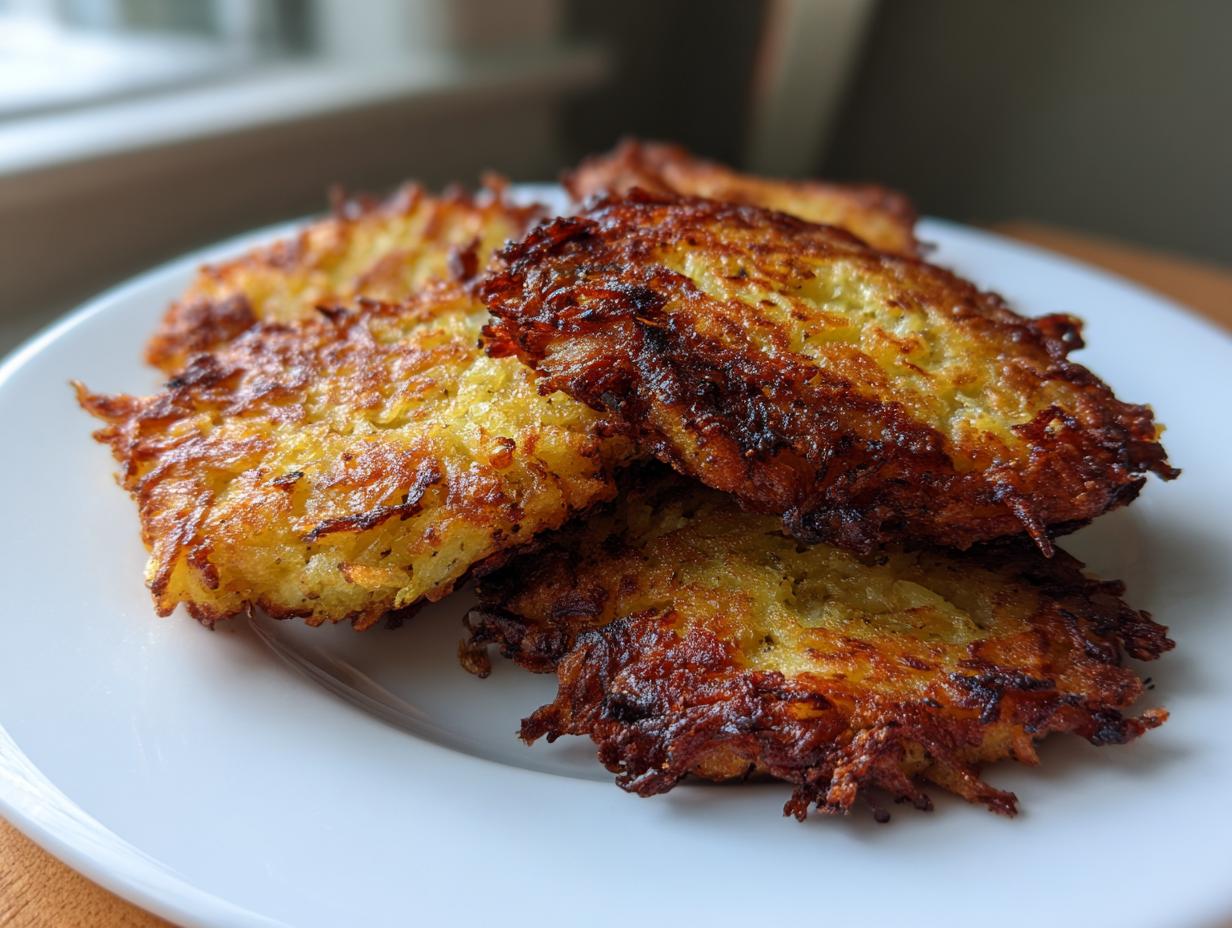
There is just something about food that comes out of hot oil, isn’t there? That immediate sizzle that promises pure, golden-brown comfort. For me, that smell instantly transports me back to gatherings where everyone crowded around the stove, waiting for the first batch of freshly fried goodness. That’s the feeling I want you to chase with this recipe, because making incredible potato latkes shouldn’t be hard!
A lot of recipes out there promise crispy potato latkes, but they often turn into soggy messes or fall apart in the skillet. That’s the exact problem I wanted to solve when putting this together. My goal, just like it was for me on the road recreating those amazing roadside finds, is to show you how to get that perfect shatteringly crisp exterior and a tender interior right in your own kitchen. These aren’t complicated; they’re just done the right way, relying on elbow grease instead of fancy equipment. Trust me, mastering how to make latkes from scratch this simple is a huge win.
- Why You Will Make the Best Potato Latkes
- Essential Ingredients for Perfect Potato Latkes
- Ingredient Notes and Substitution Tips for Potato Latkes
- How to Make Crispy Potato Latkes From Scratch
- Tips for Success When Frying Potato Latkes
- Serving Suggestions for Hanukkah Potato Pancakes
- Storing and Reheating Your Potato Latkes
- Frequently Asked Questions About Potato Latkes
- Estimated Nutritional Data for Potato Latkes
- Share Your Experience Making These Potato Latkes
Why You Will Make the Best Potato Latkes
Look, there are a million ways to tackle Hanukkah potato pancakes, but I promise you, this one just *works*. We cut out the guesswork so you can focus on the frying and the fun. Here’s why folks keep coming back to this method:
- You get that satisfying crackle: A super crispy exterior that stays golden without feeling overly greasy.
- Perfect Structure: These fritters hold together! No more sad little piles of shredded potato falling apart in the oil.
- Simple Flavor Power: We nail the texture first, but the flavor—that perfect hint of onion and seasoning—is right where it should be.
- It’s Forgiving: Yes, this is a recipe for real life. If you miss the exact temperature by a degree, you’ll still end up with incredible results.
Essential Ingredients for Perfect Potato Latkes
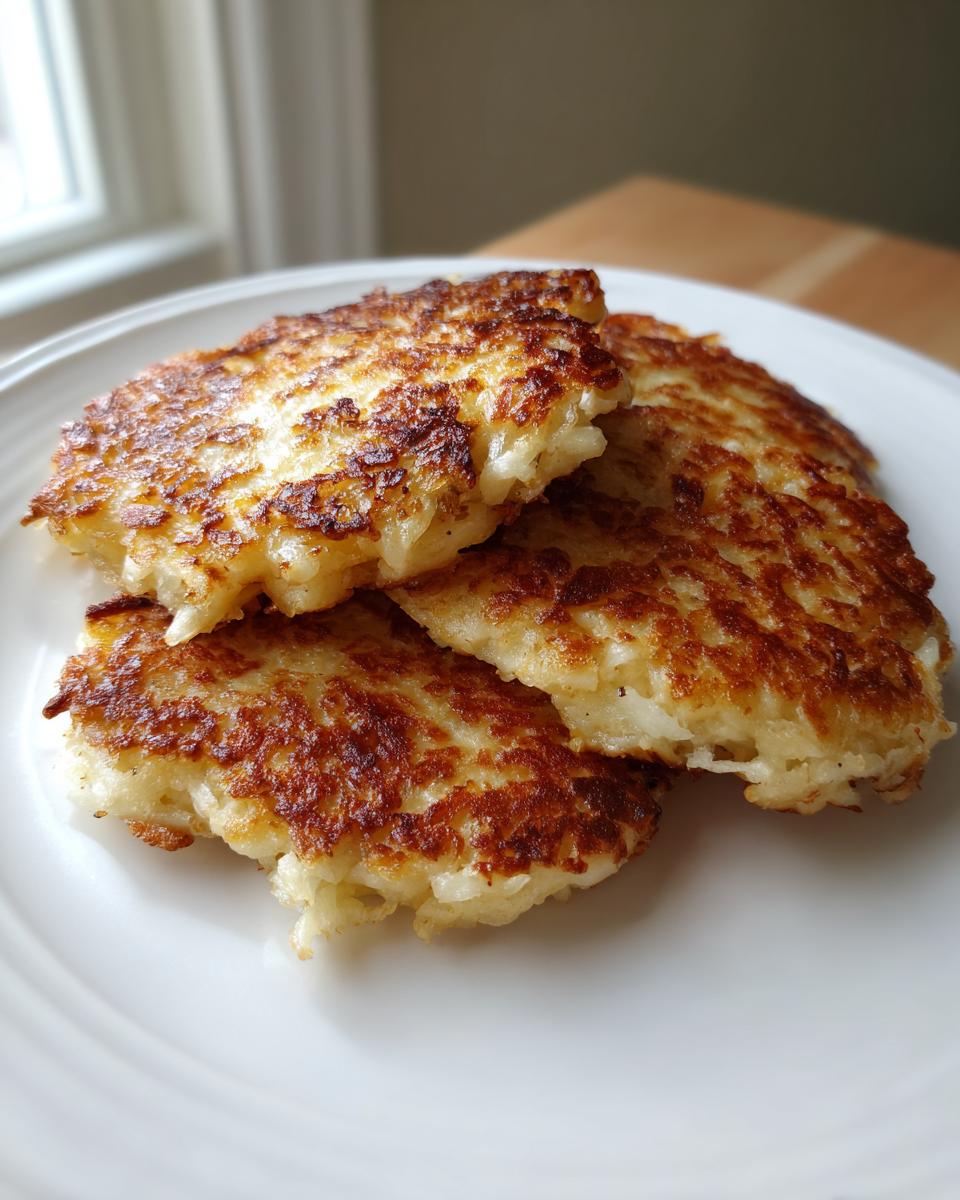
When you’re trying to make something truly authentic, like these fried potato fritters, you can’t skimp on the basics. The magic here isn’t in some rare spice; it’s in how we treat simple pantry staples. Because we learned this approach from watching people cook across the country, we know exactly what makes the difference between a good latke and an amazing one.
We are only using a handful of things here. Before we jump into the list, a quick note on the potatoes themselves is crucial. If you want that great starchy texture that holds everything together, you absolutely must use Russet potatoes. They have the right amount of starch, which acts as a natural glue once we squeeze out the water. It’s those details that turn a simple ingredient into something special.
Here is what you need for about 12 perfect potato latkes:
- 3 large russet potatoes (about 2 pounds)
- 1 medium yellow onion
- 2 large eggs, lightly beaten
- 1/4 cup all-purpose flour or matzo meal
- 1 teaspoon salt
- 1/2 teaspoon black pepper
- Vegetable oil or canola oil, for frying (about 1 inch deep in the skillet)
Remember what I always say—good food is about passion, and for these, the passion starts with choosing the right potato! You can see more about how we approach ingredients on our About Page—it’s all about making the best out of what you have.
Ingredient Notes and Substitution Tips for Potato Latkes
Okay, now that you have your ingredient list, let’s talk turkey about potential swaps. I get asked all the time about the binder because everyone’s pantry is different, especially when big holidays are coming up. We need something to just hold that starchy goodness together once it comes out of the press!
For the flour or matzo meal choice, it really comes down to what you have handy or what feels traditional for your family. All-purpose flour works beautifully; it’s a very reliable binder and keeps things nice and tight. If you want a slightly more open, airy texture, go with matzo meal instead. It’s legendary in many Jewish holiday food traditions for this very reason. Just remember, the goal isn’t for the binder to dominate—it’s just there to support the potato!
When it comes to the oil for frying, this is where we establish our expertise. You need a neutral oil with a high smoke point. Please, nix the olive oil for this task; it will burn before your crispy potato latkes recipe is even close to done. I stick strictly to vegetable or canola oil because they handle the heat wonderfully and don’t impart a heavy flavor. We want the flavor of the potato and onion to shine, not the frying fat!
If you’re worried the mixture looks too wet after squeezing (even after you think you squeezed enough—squeeze harder!), you can always add one more tablespoon of your chosen binder. A little bit of protection goes a long way when you’re about to drop them into hot oil!
How to Make Crispy Potato Latkes From Scratch
Alright, this is where the real work—but also the real reward—happens. Making your own potato latkes from scratch is about technique, especially concerning moisture control. Trust me on this: if you skip or rush the squeeze, you risk gummy, pale latkes, and nobody wants that. We have to bully the water out of those potatoes!
Preparing the Potato and Onion Base for Potato Latkes
First, the prep! You need to peel those potatoes and that onion. Then, we grate! I always reach for the box grater and use the large, coarse holes. Why large? Because we want texture! If you use the fine side, you end up with potato mush, and we are aiming for crispy, defined shreds here. If you use a food processor, make sure the shredding disk is set to the large grating size.
Now comes the non-negotiable part. You pile all that wonderful, wet grated mix into a clean, thin kitchen towel—or if you’re really serious, cheesecloth. You take the ends of that towel and twist it over the sink, putting your whole body weight into it. Squeeze, squeeze, squeeze! You should see a shocking amount of cloudy liquid pour out. Keep going until you feel like you physically cannot get another drop out. This step is what guarantees those golden, crispy potato latkes.
Mixing the Batter and Binder
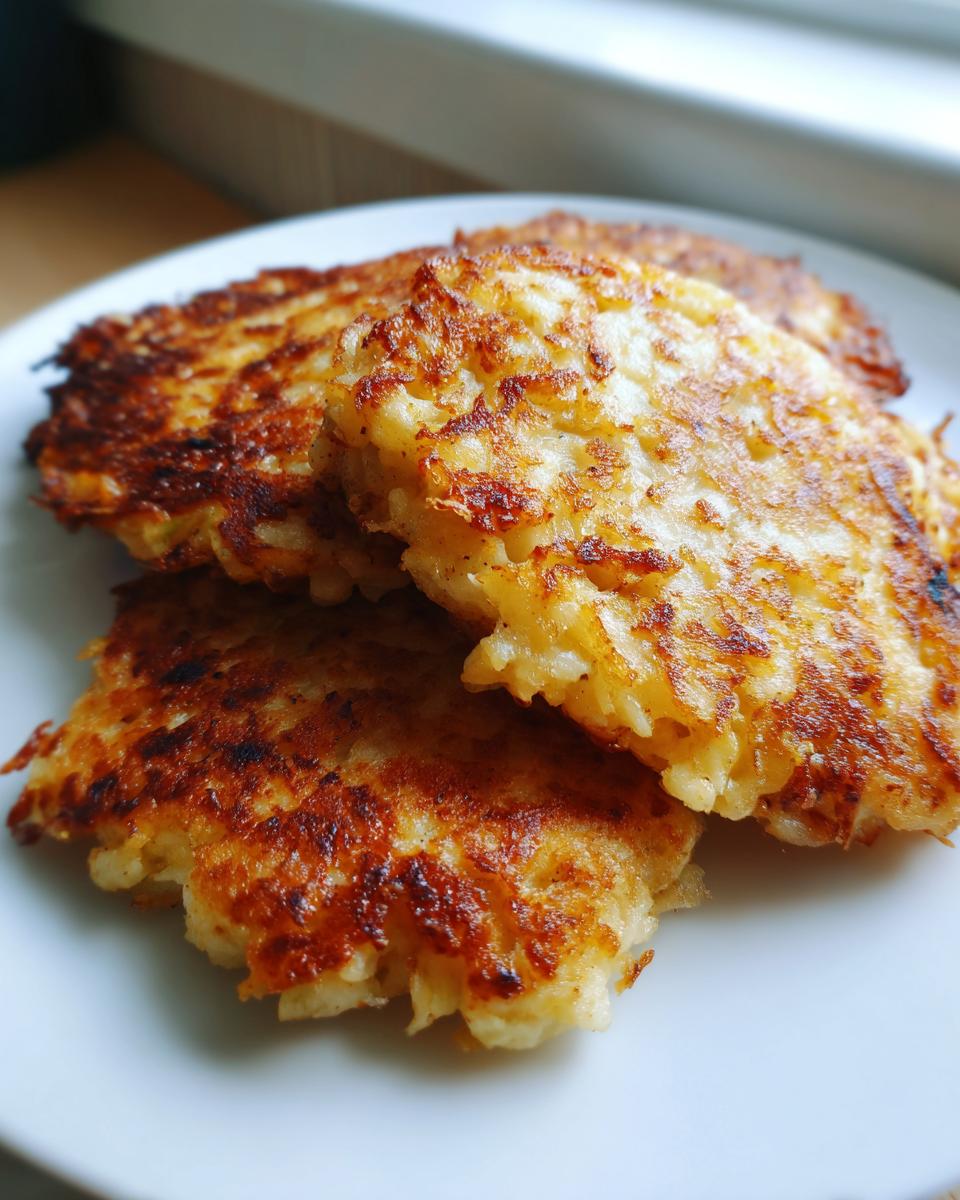
Transfer that dry, squeezed mixture right into your mixing bowl. Now, we add our supporting cast: the lightly beaten eggs, the flour (or matzo meal), the salt, and the pepper. The key here is gentleness. You want to mix everything just until it comes together. Seriously, stop stirring the second you don’t see pockets of dry flour anymore. If you stir too much, you wake up the starch, and that turns our beautiful shreds into glue, which just defeats the whole purpose of squeezing out the water!
Frying Technique for Golden Potato Latkes
Time for the sizzle! Pour about an inch of vegetable oil into a heavy skillet. We need it hot—aiming for about 350 degrees F. Having the correct temperature is crucial for that perfect golden brown finish without burning the outside before the inside cooks. Don’t crowd the pan, folks. That lowers the oil temperature instantly, and soggy bottoms are our sworn enemy.
Use a heaping tablespoon of batter for each latke and drop them carefully into the hot oil. Use the back of your spoon to gently flatten them down just a bit, making sure they are about half an inch thick. Let them fry undisturbed for about three to five minutes until they are deeply golden brown on the bottom. Flip them gently and let the second side get just as crispy. When they look perfect, scoop them out immediately onto a wire rack resting over paper towels!
Tips for Success When Frying Potato Latkes
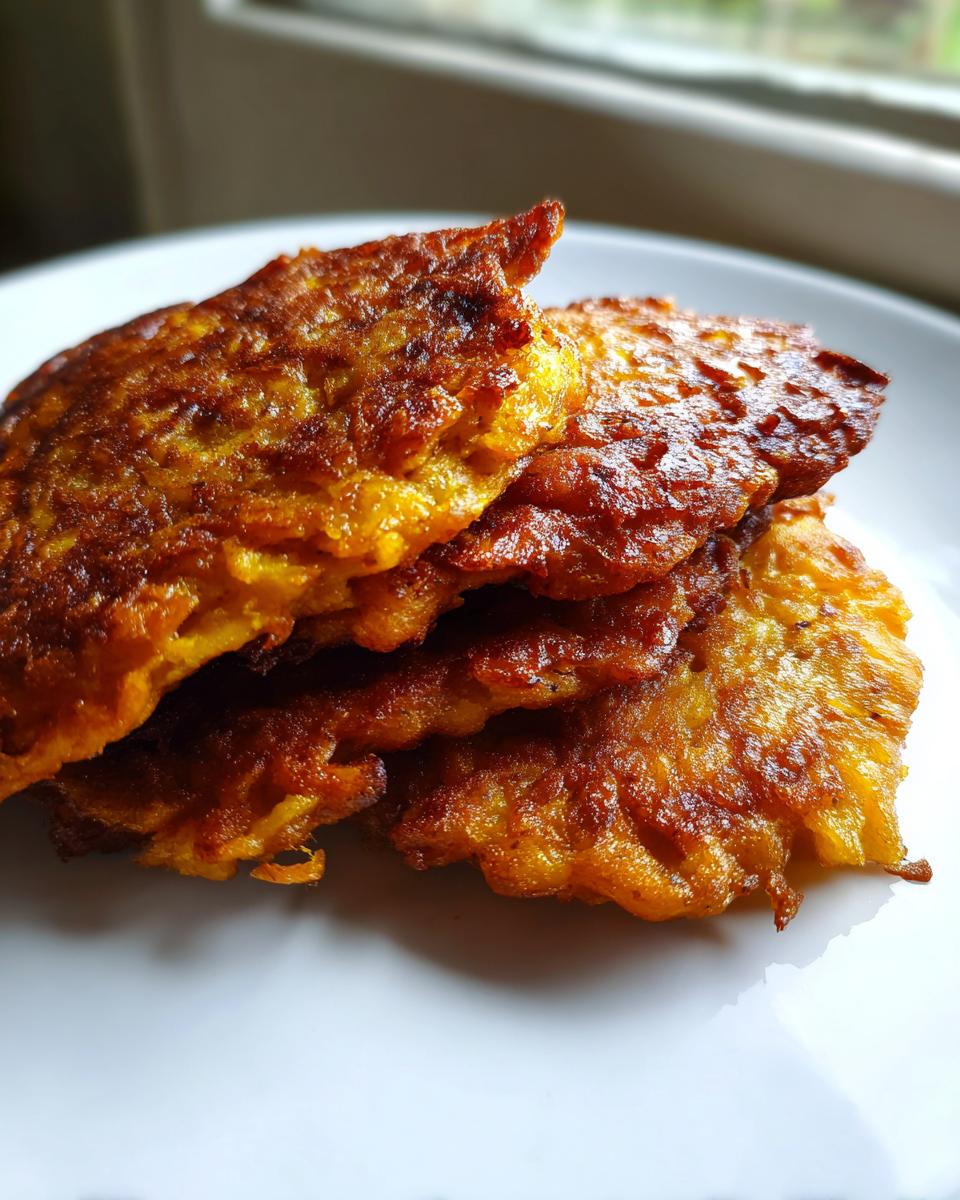
We’ve got the structure down, but frying is an active game, not a “set it and forget it” situation. If you want the absolute best texture—that non-negotiable crispness—you need to pay attention while these fried potato fritters are in the pan. Think of it like this: you’ve done 90% of the hard work squeezing out the water; don’t stop now!
This recipe has a few little tricks up its sleeve tucked away in the notes section. First, if you are dealing with incredibly watery potatoes, try this extra step for supreme crispness: After you squeeze all the liquid out, throw that dry potato-onion fluff into the fridge for about 15 minutes. When you pull it out, give it one more good, hard squeeze right before you mix in the eggs and flour. It sounds aggressive, but wow, does it pay off in texture!
Next, temperature is everything. I cannot stress this enough: keep that oil hovering between 325 and 350 degrees F. Use a thermometer if you can, but if you don’t have one, the ‘test’ is to drop a tiny scrap of potato in; if it immediately starts bubbling vigorously but not violently, you are good to go. If the oil is too cool, they soak up grease, and you get soft latkes. If it’s too hot, they burn before they cook through inside! Maintain that heat as you work in batches.
And if, after mixing in the eggs, you feel like the mixture is just a little too loose—maybe you thought your potatoes had less water than they actually did—don’t panic! Just grab one more tablespoon of flour or matzo meal and mix it in quickly. A touch too much binder beats a mixture that falls apart, every single time. Trust me, these little adjustments are what separate a good batch of potato latkes from making the best Hanukkah potato pancakes ever.
Serving Suggestions for Hanukkah Potato Pancakes
Okay, the pan is empty, the rack is full of golden beauties, and the kitchen smells incredible! Your potato latkes are technically finished, but they aren’t truly ready until they have their entourage. This is truly the best part of making any Jewish holiday food—the ritual toppings!
For me, tradition wins every single time. I’ve tried fancy dips and modern toppings, but nothing beats the classics we grew up with. When I make these Hanukkah potato pancakes, I always serve them with a generous dollop of full-fat sour cream—the slightly tangy, cool creaminess is the absolute perfect counterpoint to the hot, salty, crispy potato. My mom always insisted on using the kind with a little bit of visible creaminess on top; don’t worry about making it ‘light’!
And of course, we need applesauce. Whether you make it homemade—which I love doing in the slow cooker during the holidays—or grab a jar from the store works fine, just make sure it’s chunky! The texture difference matters when you’re scooping a spoonful onto that warm latke.
Here’s my favorite family trick: I always serve a small dish of both toppings side-by-side. That way, everyone can tailor each bite. Some prefer the sweet and savory mix of applesauce, while others lean purely into the rich sour cream. When those piles of latkes disappear within five minutes of coming off the rack, you know you nailed the presentation!
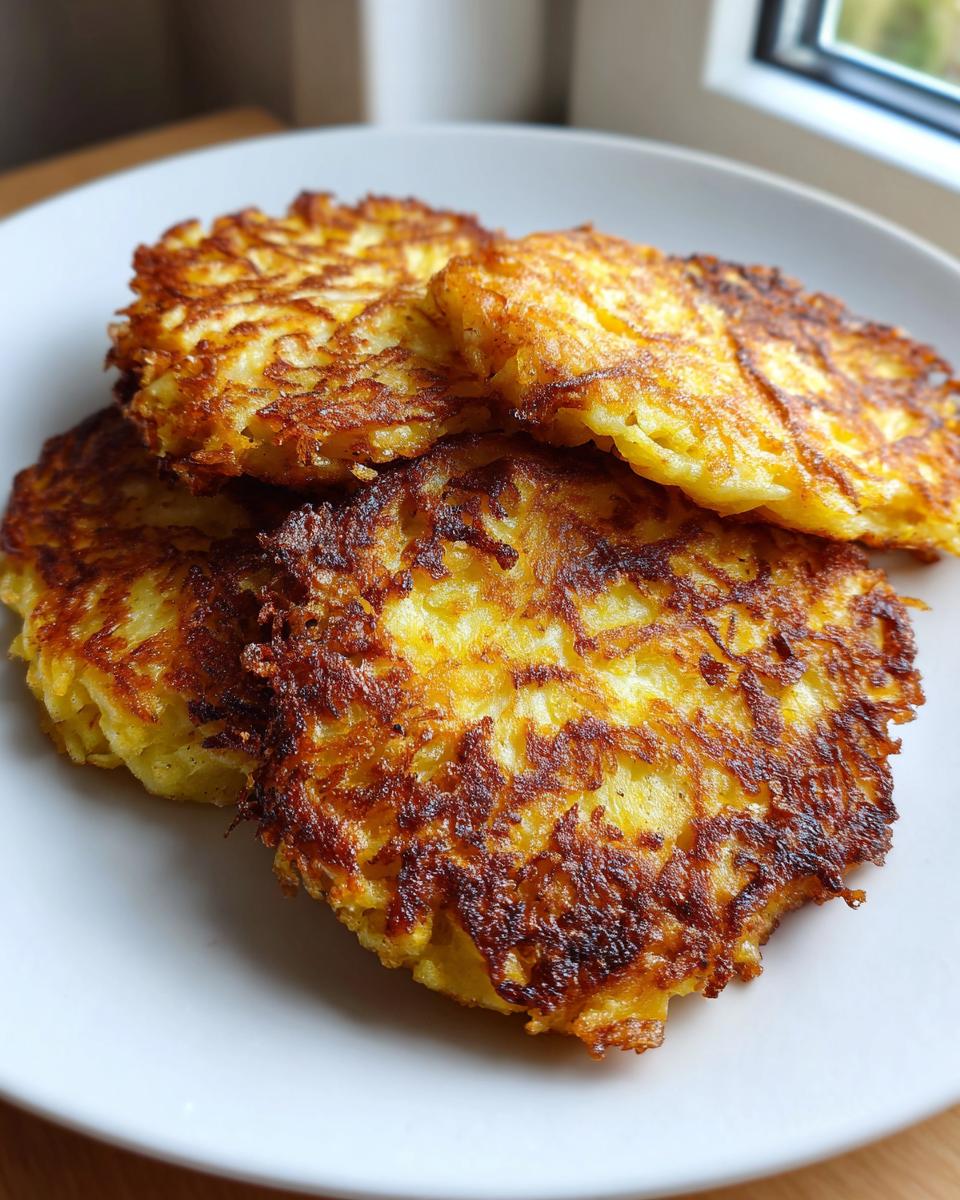
Storing and Reheating Your Potato Latkes
I hope you made enough because, honestly, these things vanish quickly! But hey, if you happen to have a few leftover potato latkes hiding out on the counter the next morning, don’t you dare throw them away. We want to treat them right so they don’t end up soft and sad.
The absolute golden rule for storing any crispy fried food is this: they must be cooled completely before you try to put them away. If you wrap them up while they are still warm, that steam gets trapped, and poof—you’ve cooked the crisp right out of them!
For storage, a simple airtight container works fine for the fridge, maybe layer them with a paper towel between batches just to absorb any lingering surface oil. They’re good in the refrigerator for about three days, but honestly, they are best enjoyed within 24 hours.
If you’re planning ahead, maybe you’re deep into Hanukkah potato pancakes season, you can freeze them! Lay the cooled latkes out on a baking sheet in a single layer and freeze until solid. Once they are hard little discs, you can transfer them to a freezer-safe bag or container. They hang out happily in the freezer for up to a month.
Now for the critical part: reheating. Please listen to me on this: Do NOT use the microwave! I know it’s fast, but microwaving reheats the moisture in the potato, and you end up with slimy, rubbery potato mush. That’s a cardinal sin for great fried potato fritters.
Your best bet is the oven or, if you have one, the air fryer. Set your oven to about 375 degrees F (190 degrees C). Lay the latkes out in a single layer on a wire rack set over a baking sheet. Yes, the wire rack is important! It lets the circulating heat crisp up the bottom as well as the top. Bake them for about 8 to 10 minutes, giving them a quick flip halfway through, until they are piping hot and crispy again. If you use the air fryer, 350 degrees F for about 4 to 6 minutes should do the trick perfectly—so fast!
Frequently Asked Questions About Potato Latkes
I know you probably have a few little jitters before you start frying, especially if this is your first time making how to make latkes from scratch. It’s totally normal! We want every batch of these fried potato fritters to be perfect. Here are the things people ask me most often when they’re grabbing their box grater.
Can I bake these potato latkes instead of frying?
You certainly can try, and it will definitely be healthier since you’ll use way less oil! But here’s the honest truth from my road-kitchen experience: you will lose that authentic, shatteringly crisp texture that makes a great latke. Baking dries them out a bit differently, and they never get that rich, golden color we are aiming for. If you must bake, use high heat and try to brush them lightly with oil first, but for the *best* results, you need that hot oil bath.
Why are my fried potato fritters soggy?
Sogginess is almost always caused by one of two things, sometimes both! First, you didn’t squeeze enough liquid out of the potatoes and onions. Remember how much water came out? You need to get it all! Second, your oil temperature was too low. If the oil isn’t hot enough (around 350°F), the latke sits there absorbing grease instead of crisping up immediately. Low temp equals soggy potato latkes.
What is the best way to keep potato latkes warm while frying the rest?
This is essential for holiday gatherings! Once a batch is done frying, move them immediately to a wire rack that is sitting over a baking sheet. Then, slide that whole setup into an oven set to the lowest possible temperature—think 200°F (around 95°C). This keeps them hot and crispy while the next batch fries up. The rack lets air circulate underneath so they don’t steam themselves soggy on the bottom layer.
Estimated Nutritional Data for Potato Latkes
Now, I always like to put a little disclaimer here, because let’s be real, once these potato latkes hit the table, nobody is counting calories! But just in case you are curious about what is in these lovely fried potato fritters—especially since they are fried—here are the estimates based on how we prepare them with standard ingredients.
Remember, this data is an approximation only! Things like how much oil your latke actually absorbs or the exact size of your Russet potatoes can change these numbers slightly. But this range gives you a good ballpark idea for a single serving.
- Serving Size: 1 latke
- Calories: 120
- Total Fat: 7g
- Saturated Fat: 1g
- Trans Fat: 0g
- Cholesterol: 35mg
- Sodium: 150mg
- Total Carbohydrates: 13g
- Fiber: 1g
- Sugar: 0.5g
- Protein: 2g
See? Not too bad for a dish made out of potato, onion, and a little bit of delicious oil! It shows that even traditional Jewish holiday food can fit nicely into your day, especially when you are sharing them with family and making memories. When you stop worrying about the math and just enjoy the incredible, crispy texture, that’s when you know you’ve succeeded.
Share Your Experience Making These Potato Latkes
Well, you did it! You conquered the squeeze, you managed the heat, and now you have a pile of the absolute crispiest potato latkes anyone has ever tasted. That feeling of accomplishment when you bite into one—it’s the best, right?
I really, truly want to hear about how they turned out for you. Did you try the optional chill-and-squeeze trick? Did you stick with matzo meal or use flour? Food tastes better when it’s shared, and building this community of home cooks means everything to me.
Don’t be a stranger! Jump down to the comments section below and drop a rating for this crispy potato latkes recipe. Seriously, five stars if I managed to demystify the scary world of frying for you! Let me know who you shared them with and what toppings you used. Did you go classic sour cream and applesauce, or did you try something wild?
If you snapped a picture of those beautiful golden Hanukkah potato pancakes—and I bet you did—tag us on social media! Seeing your kitchen creating that same warmth we talk about is the whole reason YumDrizzle exists. If you ever have questions about any step, or maybe you need a suggestion for scaling up for a bigger crowd, please feel free to reach out to us directly through the contact page. Happy cooking, and enjoy every single crispy bite!
PrintCrispy Potato Latkes Recipe

Make traditional, crispy potato latkes that are golden brown outside and tender inside. This recipe focuses on removing moisture for the best texture.
- Prep Time: 20 min
- Cook Time: 20 min
- Total Time: 40 min
- Yield: About 12 latkes 1x
- Category: Side Dish
- Method: Frying
- Cuisine: Jewish
- Diet: Vegetarian
Ingredients
- 3 large russet potatoes (about 2 pounds)
- 1 medium yellow onion
- 2 large eggs, lightly beaten
- 1/4 cup all-purpose flour or matzo meal
- 1 teaspoon salt
- 1/2 teaspoon black pepper
- Vegetable oil or canola oil, for frying (about 1 inch deep in the skillet)
Instructions
- Peel the potatoes and the onion. Grate them using the large holes of a box grater or a food processor fitted with a shredding disk.
- Place the grated potatoes and onion in a clean kitchen towel or several layers of cheesecloth. Twist the cloth tightly over the sink and squeeze out as much liquid as possible. This step is crucial for crispy latkes.
- Transfer the dried potato and onion mixture to a medium bowl.
- Add the beaten eggs, flour (or matzo meal), salt, and pepper to the potato mixture. Mix gently until just combined. Do not overmix.
- Pour about 1 inch of oil into a large, heavy-bottomed skillet and heat over medium-high heat until the oil reaches about 350 degrees F.
- Carefully drop heaping tablespoons of the potato mixture into the hot oil, flattening them slightly with the back of the spoon to form pancakes about 1/2 inch thick. Work in batches to avoid overcrowding the pan.
- Fry for 3 to 5 minutes per side, until deep golden brown and crisp. Adjust the heat as needed to prevent burning.
- Remove the latkes from the oil using a slotted spoon and place them on a wire rack set over a baking sheet lined with paper towels to drain excess oil.
- Serve immediately with your preferred toppings.
Notes
- For extra crispness, you can chill the grated potato and onion mixture briefly after squeezing out the liquid, then squeeze again before mixing with the binder.
- If the mixture seems too wet after adding the eggs, add one more tablespoon of flour or matzo meal.
- Maintain the oil temperature between 325 and 350 degrees F for best results.
Nutrition
- Serving Size: 1 latke
- Calories: 120
- Sugar: 0.5
- Sodium: 150
- Fat: 7
- Saturated Fat: 1
- Unsaturated Fat: 6
- Trans Fat: 0
- Carbohydrates: 13
- Fiber: 1
- Protein: 2
- Cholesterol: 35